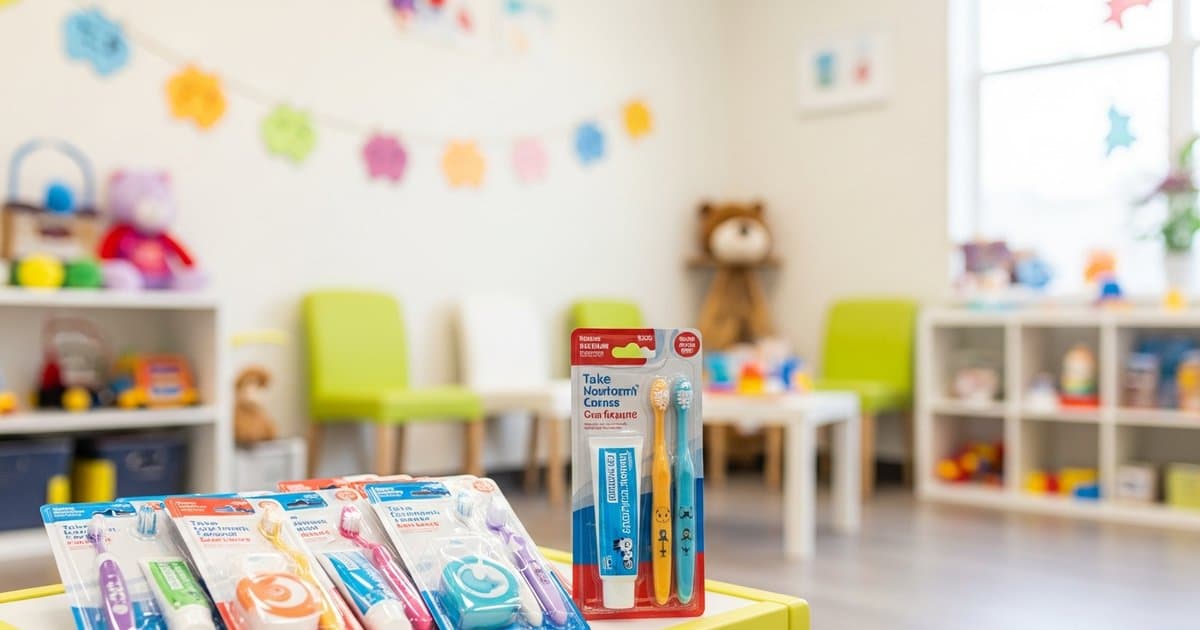
Creating memorable, positive experiences for young patients extends far beyond the dental chair. Take-home oral hygiene kits represent one of the most effective ways pediatric dental practices can reinforce good habits, maintain patient engagement, and demonstrate ongoing commitment to children's oral health. These carefully curated packages not only serve as educational tools but also help bridge the gap between professional cleanings, ensuring that proper oral hygiene becomes an integral part of each child's daily routine. When designed thoughtfully and implemented strategically, take-home kits can significantly enhance patient satisfaction while providing tangible value that parents appreciate and children actually use.
Understanding the Value of Take-Home Oral Hygiene Kits
Take-home oral hygiene kits serve multiple purposes within a pediatric dental practice's patient care strategy. Beyond the obvious benefit of providing children with appropriate oral care tools, these kits function as powerful marketing tools that keep your practice top-of-mind between visits. When parents see their child using the colorful toothbrush or fun-flavored toothpaste from your office, they're reminded of the positive experience and professional care you provide.
From a clinical perspective, these kits ensure that children have access to age-appropriate oral hygiene products. Many parents inadvertently purchase adult toothbrushes or toothpaste that may be too harsh for developing teeth and sensitive gums. By providing professionally selected products, you're guaranteeing that your young patients have the right tools for their specific developmental stage.
The educational component cannot be overstated. Each kit represents an opportunity to reinforce the oral hygiene instructions provided during the appointment. When paired with appropriate dental education materials for pediatric patients, these kits become comprehensive learning tools that extend your clinical guidance into the home environment.
Take-home kits also address compliance challenges common in pediatric dentistry. Children are more likely to maintain consistent oral hygiene routines when they have appealing, child-specific products. The novelty and ownership aspect of having their own special dental kit can transform tooth brushing from a chore into an anticipated activity.
Essential Components for Effective Pediatric Oral Hygiene Kits
Age-Appropriate Toothbrushes
The foundation of any pediatric oral hygiene kit is a high-quality, age-appropriate toothbrush. For children aged 2-5, look for toothbrushes with smaller heads (approximately half the size of adult brushes), soft bristles, and comfortable, easy-to-grip handles. Popular options include the Oral-B Kids Manual Toothbrush and Colgate My First Toothbrush, both designed specifically for developing motor skills and smaller mouths.
For school-age children (6-12), slightly larger brush heads are appropriate, but the bristles should remain soft to protect developing permanent teeth. Consider toothbrushes featuring popular children's characters or themes, such as the Oral-B Pro-Health Jr. or Firefly Ready Go Brush. These character-themed brushes often motivate children to brush more consistently.
Electric toothbrushes can be excellent additions to kits for children over age 3, particularly those who struggle with manual dexterity or motivation. The Oral-B Kids Electric Toothbrush and Philips Sonicare for Kids offer gentle vibration patterns and built-in timers that help children brush for the recommended two minutes.
Child-Friendly Toothpaste
Toothpaste selection requires careful consideration of both fluoride content and flavor appeal. For children aged 2-6, use fluoride toothpaste with 1000-1450 ppm fluoride in small amounts (rice grain to pea-sized). Popular pediatric formulations include Crest Kids Cavity Protection and Colgate Kids Anticavity Toothpaste, both available in appealing flavors like bubble fruit and strawberry.
For children who can reliably spit out toothpaste (typically age 6 and older), standard fluoride concentrations are appropriate. Consider including training toothpaste for very young children who are just beginning to brush independently. Tom's of Maine Silly Strawberry and Hello Kids Fluoride Toothpaste offer natural options for parents who prefer organic or naturally-derived ingredients.
Avoid toothpastes with harsh whitening agents or strong mint flavors that may discourage regular use. Instead, opt for mild, sweet flavors that children enjoy while still providing effective cavity protection.
Appropriate Flossing Tools
Traditional dental floss can be challenging for children to manipulate effectively, making kid-friendly alternatives essential kit components. Floss picks designed for children, such as Plackers Kids Flossers, feature smaller heads and fun colors or characters that make flossing more appealing.
For children with limited dexterity, consider including floss holders or water flossers designed for pediatric use. The Waterpik Water Flosser for Kids provides an engaging, effective alternative to traditional floss while being gentler on sensitive gums.
Age-appropriate floss is crucial – look for products with thinner profiles that fit easily between smaller teeth, and consider waxed varieties that glide more smoothly. GUM Kids Floss and Oral-B Glide Kids Floss are specifically formulated for developing dentition.
Cost-Effective Sourcing and Budget Management
Creating sustainable take-home kit programs requires strategic sourcing and careful budget management. Start by establishing clear budget parameters based on your patient volume and desired kit frequency. Many practices find success allocating $3-8 per kit, depending on components and sourcing strategies.
Bulk purchasing represents the most effective cost-reduction strategy. Work directly with manufacturers like Procter & Gamble (Oral-B, Crest), Colgate-Palmolive, and smaller specialty companies to negotiate volume discounts. Many manufacturers offer practice-specific programs that provide significant savings on pediatric products.
Consider seasonal purchasing patterns to maximize savings. Back-to-school periods and post-holiday months often feature promotional pricing on children's oral care products. Stock up during these periods to reduce per-unit costs throughout the year.
Generic or private-label alternatives can provide substantial savings without compromising quality. Many dental supply companies offer house-brand pediatric toothbrushes and toothpaste at 30-50% lower costs than name-brand alternatives while maintaining comparable effectiveness.
Don't overlook local sourcing opportunities. Some practices partner with local businesses or community organizations to sponsor kit components in exchange for subtle branding opportunities, creating win-win partnerships that reduce costs while building community connections.
Track kit distribution carefully to optimize inventory management. Maintain detailed records of which components are most popular and which may need replacement due to expiration or lack of appeal. This data helps refine future purchasing decisions and reduce waste.
Creative Kit Customization and Presentation Ideas
The presentation of take-home kits significantly impacts their perceived value and likelihood of use. Custom packaging transforms ordinary oral care products into special gifts that children anticipate receiving. Consider branded drawstring bags, colorful boxes, or clear containers that children can repurpose for other uses.
Seasonal themes add excitement and relevance to kit distribution. Halloween kits might feature orange and black toothbrushes with "cavity-fighting superhero" themes, while summer kits could include beach-themed products with sun safety oral care messages. Holiday customization demonstrates attention to detail and creates memorable experiences.
Age-specific customization ensures maximum relevance and effectiveness. Toddler kits might emphasize fun and exploration with sensory elements like textured toothbrush handles, while kits for pre-teens could focus on independence and responsibility with more sophisticated products and educational materials.
Including personalized elements, such as the child's name on the kit or a personalized note from their hygienist, creates powerful emotional connections. Even simple additions like colorful stickers or small toys can significantly enhance the perceived value and excitement around the kit.
Consider incorporating elements that extend beyond oral hygiene. Small educational toys, temporary tattoos with oral health messages, or links to online games and activities create comprehensive health promotion packages that families appreciate.
Interactive elements can boost engagement significantly. Include charts for tracking brushing habits, reward stickers, or QR codes linking to fun oral health videos or apps. These additions transform passive product distribution into active health promotion tools.
Implementation Strategies and Staff Training
Successful take-home kit programs require comprehensive staff training and clear implementation protocols. Begin by educating all team members about the purpose, components, and distribution criteria for the kits. Ensure that everyone understands how these kits support overall treatment goals and patient satisfaction objectives.
Develop clear guidelines for kit distribution timing and frequency. Many practices provide kits after routine cleanings, following completion of treatment plans, or as rewards for good oral hygiene improvements. Establish consistent criteria to ensure fair distribution and manage inventory effectively.
Train staff to present kits enthusiastically and educationally. Rather than simply handing over a bag, team members should briefly explain each component, demonstrate proper use when appropriate, and connect the kit contents to the child's specific oral health needs or improvements.
Create opportunities for staff input on kit contents and presentation. Team members who work directly with patients often have valuable insights about which products children respond to most positively and which might need adjustment or replacement.
Integrate kit distribution into your practice management software to track distribution patterns, costs, and patient responses. This data helps optimize the program over time and demonstrates ROI to practice owners and managers.
Consider designating specific team members as kit program coordinators who manage inventory, coordinate purchasing, and gather feedback from patients and families. This focused approach ensures program consistency and continuous improvement.
Regularly review and update kit contents based on new product availability, patient feedback, and changing demographics. What works well for one age group or season may need adjustment as your patient base evolves or new products become available.
Measuring Success and ROI
Establishing clear metrics for take-home kit program success enables continuous improvement and demonstrates value to practice stakeholders. Patient satisfaction surveys should include specific questions about kit usefulness, product quality, and overall appreciation for the gesture.
Track clinical outcomes related to kit distribution, such as improvements in oral hygiene scores, reduction in cavities between visits, and increased compliance with home care recommendations. Many practices find that patients who receive regular take-home kits demonstrate better oral health outcomes over time.
Monitor appointment attendance and cancellation rates among families who receive kits compared to those who don't. Enhanced engagement through thoughtful kit programs often correlates with improved appointment compliance and reduced no-show rates.
Financial metrics should include both direct costs (product purchasing, packaging, staff time) and indirect benefits (increased patient retention, positive word-of-mouth referrals, enhanced practice reputation). Calculate the lifetime value of retained patients to understand the true ROI of kit programs.
Gather qualitative feedback through informal conversations with parents and children during appointments. Often, the most valuable insights come from casual comments about which kit components children use most frequently or which products have become family favorites.
Social media engagement can provide additional success indicators. Families who post photos of children using kit products or mention your practice's thoughtful approach to pediatric care are demonstrating program effectiveness and providing valuable marketing benefits.
Consider conducting periodic focus groups with parents to gather detailed feedback about kit contents, frequency, and perceived value. These sessions often reveal opportunities for improvement and help guide program evolution.
How TGP Can Help
The Glass Practice Group's purchasing organization specifically addresses the cost challenges associated with creating comprehensive take-home oral hygiene kits for pediatric patients. Through our extensive network and volume purchasing power, member practices typically save 20-30% on the pediatric oral care products discussed in this guide, including toothbrushes, toothpaste, floss picks, and specialized pediatric dental supplies.
Our procurement specialists understand the unique requirements of pediatric dental practices and maintain relationships with manufacturers who specialize in child-friendly oral care products. This expertise ensures that member practices have access to the most current, age-appropriate products at competitive pricing, allowing for more comprehensive kits within existing budget constraints.
Beyond product savings, TGP provides guidance on kit customization, packaging solutions, and implementation strategies based on best practices from successful pediatric practices across our network. Our members benefit from shared knowledge about which products generate the best patient response and which sourcing strategies provide optimal value.
TGP's group purchasing power extends to packaging materials, educational resources, and seasonal promotional items that can enhance take-home kit programs. By leveraging collective buying power, member practices can afford higher-quality components and more attractive presentation options that might otherwise be cost-prohibitive for individual practices.
Key Takeaways
• Take-home oral hygiene kits serve multiple purposes: clinical support, patient education, practice marketing, and family engagement
• Age-appropriate product selection is crucial – toothbrushes, toothpaste, and floss should match children's developmental stages and capabilities
• Cost-effective sourcing through bulk purchasing, seasonal buying, and manufacturer partnerships makes sustainable kit programs achievable
• Creative customization and presentation significantly impact perceived value and program effectiveness
• Staff training and clear implementation protocols ensure consistent, educational kit distribution
• Success measurement should include clinical outcomes, patient satisfaction, financial metrics, and qualitative feedback
• Seasonal themes and personalization elements enhance kit appeal and memorability
• Partnership with group purchasing organizations can reduce costs by 20-30% while improving product access
FAQ
How often should we distribute take-home oral hygiene kits to pediatric patients?
Most successful pediatric practices distribute take-home kits every 6 months following routine cleaning appointments, with additional kits provided after completing significant treatment or as rewards for improved oral hygiene. Some practices also provide seasonal kits during back-to-school periods or holidays. The key is maintaining consistency while managing costs – monthly distribution may be excessive and expensive, while annual distribution may not provide sufficient reinforcement of good habits.
What's the ideal budget range for pediatric take-home oral hygiene kits?
Effective take-home kits typically cost between $3-8 per kit, depending on components and sourcing strategies. Practices serving higher socioeconomic areas may invest toward the higher end of this range with premium products and custom packaging, while those focused on cost efficiency can create valuable kits at the lower end through strategic sourcing and bulk purchasing. The investment often pays for itself through improved patient retention, enhanced satisfaction, and positive word-of-mouth referrals.
How can we customize take-home kits for different age groups without complicating inventory management?
Create 2-3 standardized kit categories based on broad age ranges: ages 2-5 (primary teeth focus), ages 6-12 (mixed dentition), and teens (permanent teeth emphasis). Within each category, use products that work across the age span while varying presentation elements like packaging themes or educational materials. This approach provides appropriate customization without requiring excessive inventory complexity. Consider using the same core products (like soft-bristled toothbrushes) across multiple age groups when clinically appropriate, varying only the colors, characters, or educational components.