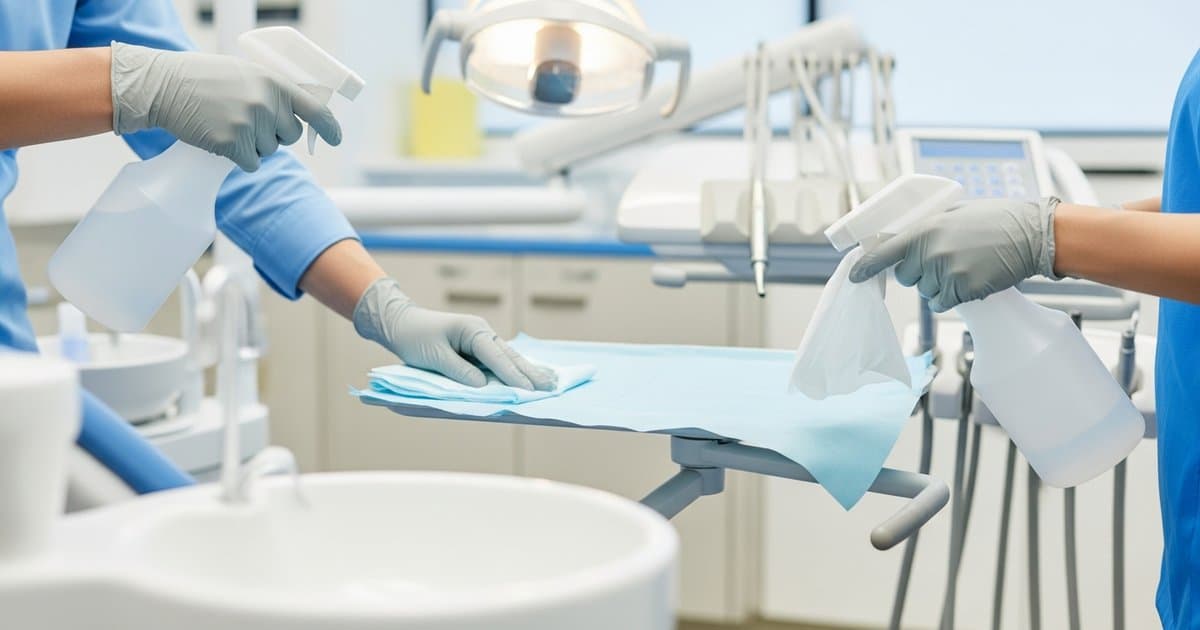
Maintaining proper surface disinfection in pediatric dental practices presents unique challenges that require careful consideration of product selection, efficacy, and safety. Unlike adult-focused practices, pediatric dental offices must balance effective infection control with creating a child-friendly environment while managing higher patient turnover rates and more frequent surface contamination. The selection of EPA-registered surface disinfectants becomes critical not only for preventing healthcare-associated infections but also for maintaining operational efficiency and cost-effectiveness. This comprehensive guide examines the most effective surface disinfectants available to pediatric dental practices, comparing their antimicrobial efficacy, contact times, material compatibility, and economic impact to help practice owners make informed decisions that protect both patients and staff while optimizing practice operations.
Understanding EPA Registration and Disinfectant Classifications
The Environmental Protection Agency (EPA) maintains strict standards for surface disinfectants used in healthcare settings, with specific requirements for dental office applications. For pediatric dental practices, understanding these classifications helps ensure compliance with CDC and ADA guidelines while selecting products that meet the unique demands of treating young patients.
EPA-registered disinfectants fall into several categories based on their antimicrobial spectrum. Hospital-grade disinfectants, designated as EPA List N products, provide broad-spectrum efficacy against bacteria, viruses, and fungi commonly encountered in dental settings. These products must demonstrate effectiveness against specific pathogens, including hepatitis B virus (HBV), hepatitis C virus (HCV), and HIV, which serve as surrogate markers for other bloodborne pathogens.
Intermediate-level disinfectants represent the minimum standard for most dental surface disinfection applications. These products effectively eliminate vegetative bacteria, most viruses, and fungi but may not be sporicidal. For pediatric practices, intermediate-level disinfectants often provide the optimal balance of efficacy and material compatibility, as they're generally less harsh on surfaces while maintaining adequate antimicrobial activity.
Low-level disinfectants, while EPA-registered, typically don't meet the stringent requirements for dental operatory surface disinfection. However, they may find application in non-critical areas such as reception desks or administrative areas within pediatric practices where lower-risk surface contamination occurs.
The EPA registration process requires extensive testing data, including contact time validation, material compatibility studies, and safety profiles. For pediatric practices, this regulatory oversight provides assurance that selected products will perform consistently while meeting safety standards appropriate for environments where children are treated.
Quaternary Ammonium Compounds: Reliability and Versatility
Quaternary ammonium compounds (quats) represent one of the most widely used categories of surface disinfectants in pediatric dental practices due to their excellent balance of efficacy, material compatibility, and user safety. These compounds work by disrupting cell membrane integrity, leading to rapid microbial inactivation across a broad spectrum of pathogens.
Modern quat formulations, particularly those containing dual or multiple quaternary ammonium active ingredients, demonstrate superior performance compared to single-quat products. Products like CaviCide and Super Sani-Cloth demonstrate contact times ranging from 2-3 minutes for most pathogens, making them practical for the rapid turnover typical in pediatric dental practices. The relatively short contact times help maintain efficient patient scheduling while ensuring adequate disinfection between appointments.
Material compatibility represents a significant advantage of quaternary ammonium disinfectants in pediatric settings. These products typically show excellent compatibility with dental chair upholstery, including vinyl and synthetic leather commonly used in pediatric operatories. They also demonstrate good compatibility with electronic surfaces, including dental unit touchscreens and computer peripherals that are frequently contaminated during pediatric procedures.
Cost-effectiveness makes quat-based disinfectants attractive for high-volume pediatric practices. Ready-to-use formulations eliminate mixing procedures and reduce waste, while concentrate options provide economic advantages for larger practices with higher surface disinfection volumes. The stability of quat solutions also allows for longer shelf life compared to some other disinfectant categories.
However, pediatric practices should consider some limitations of quaternary ammonium compounds. These products can leave residues that may cause surface buildup over time, particularly on high-touch surfaces. Regular cleaning with neutral detergents helps prevent this accumulation. Additionally, some quat formulations may cause skin sensitization with repeated exposure, making proper PPE use essential for staff members performing frequent surface disinfection tasks.
Alcohol-Based Disinfectants: Speed and Efficacy
Alcohol-based surface disinfectants offer unique advantages for pediatric dental practices, particularly in situations requiring rapid surface turnaround or when treating patients with specific infection control concerns. Isopropyl alcohol concentrations between 60-90% demonstrate excellent antimicrobial efficacy with contact times often measured in seconds rather than minutes.
The rapid evaporation characteristic of alcohol-based disinfectants provides operational advantages in pediatric settings. Surfaces treated with alcohol-based products typically dry within 30-60 seconds, eliminating the need for wiping or extended air drying periods. This characteristic proves particularly valuable for surfaces that children might touch immediately after treatment, such as chair armrests or cabinet handles.
Alcohol-based products demonstrate exceptional efficacy against enveloped viruses, including influenza and coronaviruses that commonly affect pediatric populations. The rapid virucidal action makes these products excellent choices for addressing contamination concerns during cold and flu seasons when pediatric practices may see higher concentrations of respiratory illness.
Material compatibility considerations require careful attention when selecting alcohol-based disinfectants for pediatric dental operatories. While alcohol generally shows good compatibility with hard, non-porous surfaces, repeated use on certain plastics, rubber gaskets, or adhesive materials may cause degradation over time. Dental chair manufacturers often provide specific guidance regarding alcohol compatibility with their equipment surfaces.
The flammability of alcohol-based disinfectants necessitates proper storage and handling procedures. Pediatric practices should ensure adequate ventilation during use and proper storage away from heat sources. Staff training should emphasize these safety considerations, particularly when using alcohol-based products near dental equipment that may generate heat or sparks.
Cost considerations for alcohol-based disinfectants vary significantly based on formulation and packaging. While pure isopropyl alcohol may seem economical, formulated products containing surfactants and other additives often provide better surface coverage and efficacy. The rapid evaporation of alcohol can also lead to higher product consumption compared to other disinfectant categories.
Phenolic Compounds: Traditional Strength with Modern Applications
Phenolic disinfectants maintain relevance in pediatric dental practices due to their broad-spectrum antimicrobial activity and excellent material compatibility with dental equipment. These products work through protein coagulation and cell wall disruption, providing reliable activity against bacteria, viruses, and fungi commonly encountered in dental settings.
Modern phenolic formulations address many of the odor and staining concerns associated with traditional phenolic products. Contemporary products like Birex SE demonstrate improved aesthetics while maintaining the antimicrobial reliability that makes phenolic compounds valuable for pediatric practices. Contact times typically range from 2-10 minutes depending on the target pathogen, which aligns well with standard operatory turnover procedures.
The tuberculocidal activity of many phenolic disinfectants provides an additional margin of safety for pediatric practices. While tuberculosis cases in pediatric populations are relatively rare, the ability to eliminate such resistant organisms indicates robust antimicrobial capability against other challenging pathogens that may be encountered.
Phenolic compounds demonstrate exceptional stability and resistance to organic soil load, making them effective even when surfaces aren't perfectly cleaned prior to disinfection. This characteristic proves valuable in pediatric settings where thorough cleaning between patients may be challenging due to time constraints or difficult-to-remove contamination from pediatric-specific procedures.
Surface residue characteristics of phenolic disinfectants can provide some residual antimicrobial activity, though practices should balance this potential benefit against the need for surface cleanliness in pediatric environments. Some phenolic products may leave slight residues that could be concerning if children come into direct contact with treated surfaces.
Environmental and safety considerations require attention when using phenolic disinfectants in pediatric practices. While modern formulations are generally safe when used according to manufacturer instructions, phenolic compounds can be toxic if ingested or if there's prolonged skin contact. This consideration is particularly important in pediatric environments where children might have unexpected contact with treated surfaces.
Accelerated Hydrogen Peroxide: Innovation in Surface Disinfection
Accelerated Hydrogen Peroxide (AHP) represents a newer category of surface disinfectants that offers compelling advantages for pediatric dental practices seeking effective, environmentally responsible infection control solutions. These products combine hydrogen peroxide with surfactants and other synergistic ingredients to enhance antimicrobial activity while reducing contact times compared to traditional hydrogen peroxide formulations.
AHP products like Optim 33TB demonstrate broad-spectrum efficacy with contact times ranging from 30 seconds to 5 minutes depending on the target pathogen. The relatively short contact times make these products practical for busy pediatric practices while providing confidence in antimicrobial effectiveness. The fast-acting nature of AHP is particularly valuable when treating patients with compromised immune systems or other special healthcare needs.
Environmental advantages of AHP products align well with the values of many pediatric dental practices and their patients' families. These products break down into water and oxygen, eliminating concerns about environmental persistence or harmful residues. This characteristic makes AHP products attractive for practices seeking to minimize their environmental impact while maintaining effective infection control.
Material compatibility studies show that AHP products generally demonstrate excellent compatibility with dental equipment surfaces, including sensitive electronic components. The non-corrosive nature of properly formulated AHP products helps preserve equipment investments while providing reliable surface disinfection. This compatibility extends to pediatric-specific equipment such as nitrous oxide delivery systems and specialized pediatric dental chairs.
The pleasant odor profile of most AHP products provides advantages in pediatric settings where strong chemical odors might cause anxiety or discomfort for young patients. Unlike some traditional disinfectants that may create unpleasant or medicinal odors, AHP products typically have minimal or even pleasant scents that contribute to a more comfortable treatment environment.
Cost considerations for AHP products often reflect their premium positioning in the disinfectant market. While initial product costs may be higher than traditional alternatives, the combination of short contact times, excellent material compatibility, and environmental benefits may provide overall value advantages for pediatric practices focused on efficiency and sustainability.
Safety profiles of AHP products generally show lower toxicity compared to many traditional disinfectants, though appropriate PPE and handling procedures remain important. The reduced toxicity can be particularly relevant in pediatric environments where staff may have concerns about chemical exposure around children.
How TGP Can Help
The Group Practice (TGP) understands the unique supply chain challenges facing pediatric dental practices, particularly when it comes to maintaining adequate inventories of effective surface disinfectants while managing costs. As a specialized group purchasing organization focused exclusively on dental practices, TGP leverages collective buying power to help pediatric dental offices achieve 20-30% savings on essential surface disinfection products.
TGP's relationship with major disinfectant manufacturers enables access to preferred pricing on leading brands including CaviCide, Optim 33TB, Super Sani-Cloth, and other EPA-registered products discussed in this guide. These savings become particularly significant for high-volume pediatric practices that may use substantial quantities of surface disinfectants due to rapid patient turnover and frequent surface contamination typical in pediatric dental settings.
Beyond cost savings, TGP provides supply chain reliability that helps pediatric practices maintain consistent infection control protocols. The organization's inventory management expertise ensures that member practices have access to their preferred disinfectant products even during supply chain disruptions that have periodically affected the dental supply market. This reliability is crucial for infection control fundamentals that cannot be compromised due to product unavailability.
TGP's product specialists work directly with pediatric practice owners to evaluate their specific surface disinfection needs, considering factors such as patient volume, operatory configuration, and staff preferences. This consultation process helps practices optimize their disinfectant selection while maximizing cost savings through strategic product standardization and bulk purchasing arrangements.
The organization also provides educational resources and training materials to help pediatric dental teams implement best practices for surface disinfection, ensuring that cost savings don't come at the expense of clinical effectiveness. These resources complement other infection control supplies such as barrier products for pediatric dental operatories that work together to create comprehensive infection prevention protocols.
TGP membership also provides access to new product introductions and manufacturer training programs, helping pediatric practices stay current with evolving disinfection technologies and regulatory requirements. This ongoing support ensures that practices can adapt their infection control protocols as new products and guidelines become available while continuing to benefit from group purchasing advantages.
Key Takeaways
• EPA-registered intermediate-level disinfectants represent the minimum standard for dental operatory surface disinfection, with hospital-grade products providing additional antimicrobial spectrum for high-risk situations
• Quaternary ammonium compounds offer excellent balance of efficacy, material compatibility, and cost-effectiveness for routine surface disinfection in pediatric dental practices
• Alcohol-based disinfectants provide rapid antimicrobial action and quick drying times, making them ideal for high-turnover situations and surfaces requiring immediate patient contact
• Phenolic compounds deliver broad-spectrum activity with excellent stability and soil load resistance, though odor and safety considerations require attention in pediatric environments
• Accelerated Hydrogen Peroxide products offer environmental advantages and excellent material compatibility with shorter contact times, though at premium pricing compared to traditional alternatives
• Contact time compliance is critical for all disinfectants—surfaces must remain wet with disinfectant for the full specified contact time to ensure antimicrobial efficacy
• Material compatibility testing and manufacturer guidance should guide disinfectant selection to prevent damage to expensive dental equipment and surfaces
• Staff training and proper PPE use are essential regardless of disinfectant type selected, particularly in pediatric environments where additional safety considerations apply
• Group purchasing organizations can provide significant cost savings (20-30%) on surface disinfectants while ensuring reliable supply chain access for consistent infection control protocols
Frequently Asked Questions
What contact time should I use for surface disinfectants in my pediatric dental practice?
Contact times vary by product and target pathogen, but most EPA-registered dental surface disinfectants require 2-10 minutes of wet contact time for full efficacy. Always follow the manufacturer's label instructions for the specific pathogens of concern in your practice. For pediatric practices with rapid patient turnover, consider products with shorter contact times (2-3 minutes) such as modern quaternary ammonium compounds or AHP products. Remember that the surface must remain visibly wet throughout the entire contact time—if the surface dries before the contact time is complete, additional product must be applied. This requirement often means using more product than initially anticipated, particularly with alcohol-based disinfectants that evaporate quickly.
Are there special considerations for surface disinfectants when treating children with compromised immune systems?
Yes, pediatric patients with compromised immune systems require enhanced infection control measures, including potentially using hospital-grade disinfectants with broader antimicrobial spectrum and longer contact times. Consider products with tuberculocidal claims (such as phenolic disinfectants or AHP products) as these provide additional antimicrobial margin. You may also want to extend contact times beyond the minimum requirements and ensure thorough cleaning before disinfection. Consult with the patient's physician regarding any specific pathogens of concern and consider scheduling these patients at times that allow for extended surface preparation. Additionally, ensure that all high-touch surfaces beyond the immediate operatory are included in enhanced disinfection protocols, as immunocompromised children may be more susceptible to environmental pathogens.
Can I use household disinfectants or bleach solutions instead of EPA-registered dental disinfectants?
While bleach solutions can be effective disinfectants, EPA-registered products specifically tested for dental use are strongly recommended for operatory surfaces. Household products may not have the appropriate contact time data, material compatibility testing, or regulatory approval for dental healthcare settings. Bleach solutions can also cause significant damage to dental equipment and may create safety concerns due to chlorine gas generation when mixed with other chemicals. EPA-registered dental disinfectants have undergone extensive testing for material compatibility with dental equipment and have established contact times for relevant pathogens. The cost difference between household products and professional dental disinfectants is often minimal when considering the risk of equipment damage and regulatory compliance requirements that professional products provide.