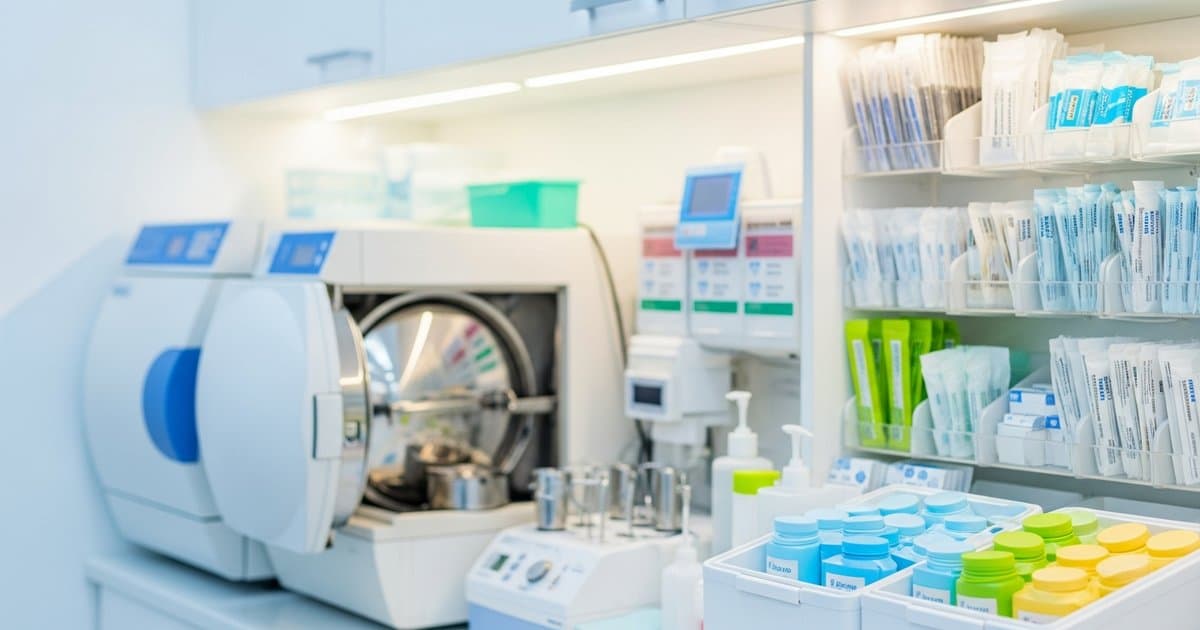
Maintaining the highest standards of infection control in pediatric dental practices requires more than just following protocols—it demands the right sterilization equipment, proper monitoring systems, and a thorough understanding of compliance requirements. Young patients and their parents trust your practice to provide a safe, hygienic environment, making your sterilization workflow one of the most critical operational components of your practice. From selecting the appropriate autoclave to implementing comprehensive biological monitoring, every aspect of your sterilization process must be carefully planned and consistently executed to meet CDC, OSHA, and state regulatory requirements while ensuring the safety of your pediatric patients.
Essential Autoclave Systems for Pediatric Practices
The autoclave serves as the cornerstone of your sterilization program, and selecting the right system for a pediatric practice involves unique considerations beyond basic sterilization capacity. Pediatric practices typically process a higher volume of smaller instruments, colorful patient comfort items, and specialized pediatric-sized tools that require careful handling during the sterilization process.
Chamber Size and ConfigurationMost pediatric practices benefit from tabletop autoclaves with chamber sizes ranging from 9" x 18" to 10" x 23". The Tuttnauer 3870EA and Midmark M11 are popular choices that offer excellent reliability and appropriate capacity for pediatric practices. These units can accommodate multiple cassettes of pediatric instruments while maintaining efficient cycle times. Consider models with removable chamber bottoms for easier cleaning, as pediatric practices often sterilize items that may leave residue.
Cycle Options and VersatilityPediatric practices require autoclaves with multiple cycle options to handle diverse materials safely. Look for units offering unwrapped cycles (3-4 minutes at 273°F), wrapped cycles (15-30 minutes at 250°F), and specialty cycles for heat-sensitive items. The ability to run shorter unwrapped cycles is particularly valuable for pediatric practices that need quick instrument turnover between young patients who may have limited appointment tolerance.
User-Friendly FeaturesStaff efficiency becomes crucial when working with pediatric patients, so prioritize autoclaves with intuitive controls and clear display screens. Models with pre-programmed cycles reduce the risk of operator error, while automatic door-locking mechanisms and cycle completion alerts help staff manage multiple tasks while ensuring sterilization safety. The Statim 5000S cassette autoclave offers rapid cycle times (as fast as 9 minutes for unwrapped instruments) that work particularly well in busy pediatric practices.
For comprehensive guidance on selecting the right autoclave for your specific practice needs, refer to our detailed Autoclave Selection Guide for Dental Offices, which covers capacity calculations, feature comparisons, and installation requirements.
Chemical Indicators and Process Monitoring
Chemical indicators serve as your first line of defense in verifying that sterilization parameters have been met, providing immediate visual confirmation that instruments have been exposed to proper temperature, pressure, and steam conditions. In pediatric practices, where instrument turnover is often rapid and parents may observe sterilization processes, reliable chemical monitoring becomes even more critical.
Types of Chemical IndicatorsClass 1 indicators (process indicators) should be used on every instrument package to show that items have been processed through a sterilization cycle. These external indicators change color when exposed to steam, providing immediate visual confirmation. Popular options include 3M Comply Steam Indicator Tape and Crosstex Sterilization Indicator Tape, both of which adhere well to various packaging materials used in pediatric practices.
Class 5 integrating indicators provide more comprehensive monitoring by responding to all critical sterilization parameters—time, temperature, and steam quality. Place these indicators inside instrument packages, especially for complex pediatric instruments or items with lumens. The 3M Comply SteriGage integrating indicators offer reliable performance and clear color-change endpoints that eliminate interpretation errors.
Placement and DocumentationEstablish clear protocols for chemical indicator placement and documentation. External indicators should be visible on every package, while internal indicators should be placed in the most challenging location for steam penetration—typically the center of instrument packs or inside hollow instruments. Create a simple logging system to track chemical indicator results, noting any failures or inconsistent color changes that might indicate sterilization problems.
Integration with Pediatric WorkflowConsider the visual impact of chemical indicators in your pediatric environment. While functionality is paramount, choosing indicators that integrate seamlessly with your practice's visual systems can help maintain the child-friendly atmosphere while ensuring compliance. Some practices use colored packaging systems coordinated with their chemical indicators to create an organized, professional appearance that doesn't intimidate young patients.
Biological Monitoring Protocols
Biological monitoring represents the gold standard for sterilization verification, using highly resistant bacterial spores to confirm that your sterilization process can eliminate the most challenging microorganisms. The CDC recommends weekly biological monitoring for all sterilizers, but many pediatric practices implement more frequent testing to ensure optimal safety for their young patient population.
Spore Test Selection and FrequencyGeobacillus stearothermophilus spores are the standard for steam sterilization monitoring, available in various formats including self-contained biological indicators (SCBIs) and spore strips. Self-contained systems like the 3M Comply biological indicators or Crosstex SporView offer convenience and reliability, containing both the spores and growth medium in a single vial.
While weekly testing meets regulatory requirements, consider implementing twice-weekly biological monitoring during busy seasons or monthly testing of multiple cycles to establish confidence in your sterilization processes. Many pediatric practices find that consistent biological monitoring helps identify potential equipment issues before they become compliance problems.
Rapid Readout SystemsRapid biological monitoring systems provide results in 1-3 hours instead of the traditional 24-48 hour incubation period. The 3M Attest Rapid Readout system and similar technologies allow same-day verification of sterilization effectiveness, which can be particularly valuable for pediatric practices that need to maintain rapid instrument turnover while ensuring absolute sterility confirmation.
Documentation and Record KeepingMaintain comprehensive biological monitoring records including test dates, cycle parameters, results, and any corrective actions taken. Many practices use simple spreadsheet systems or practice management software modules to track biological monitoring data. Include sterilizer maintenance records alongside biological monitoring results to identify patterns that might indicate equipment performance issues.
Failure Response ProtocolsEstablish clear protocols for responding to biological indicator failures, including immediate quarantine of potentially non-sterile items, notification of patients who may have been exposed, and comprehensive equipment evaluation. Document your failure response procedures and train all staff members on proper protocols to ensure consistent implementation.
Creating a Compliant Sterilization Workflow
A systematic approach to sterilization workflow ensures consistency, compliance, and efficiency while minimizing the risk of errors that could compromise patient safety. Pediatric practices must balance thorough sterilization protocols with the operational demands of serving young patients and their families.
Pre-Cleaning and Packaging ProtocolsImplement standardized pre-cleaning procedures that begin immediately after instrument use. Pediatric instruments often accumulate more debris due to the nature of pediatric procedures, making thorough pre-cleaning essential. Use enzymatic solutions designed for dental instruments, and establish clear protocols for cleaning instruments with complex geometries or lumens.
Packaging systems should accommodate your practice's instrument mix while ensuring reliable steam penetration. Self-sealing sterilization pouches work well for individual instruments, while wrapped cassettes efficiently handle complete procedure setups. Consider color-coding your packaging system to help staff quickly identify different instrument sets and expiration dates.
Load Configuration and Cycle SelectionTrain staff on proper load configuration to ensure optimal steam circulation and penetration. Avoid overloading chambers, maintain space between packages, and position items to allow steam flow around all surfaces. Create visual guides showing proper loading techniques for different types of instruments and materials commonly used in pediatric dentistry.
Establish clear criteria for cycle selection based on load contents, packaging types, and urgency requirements. Document standard operating procedures for different scenarios, such as emergency instrument processing or mixed-load sterilization requirements.
Quality Assurance and Staff TrainingRegular staff training and competency verification ensure consistent adherence to sterilization protocols. Conduct monthly staff meetings to review procedures, discuss any equipment issues, and reinforce the importance of infection control in pediatric dentistry. Consider implementing peer review systems where staff members periodically observe and verify each other's sterilization techniques.
For additional guidance on implementing comprehensive infection control protocols in pediatric settings, consult our Infection Control Fundamentals for Pediatric Dental Offices, which covers workplace safety, hand hygiene, and patient protection strategies.
Equipment Maintenance and Calibration
Consistent equipment maintenance and regular calibration ensure your sterilization systems continue to operate within specified parameters while extending equipment life and preventing costly breakdowns. Pediatric practices, with their high patient volumes and instrument processing demands, particularly benefit from proactive maintenance programs.
Daily and Weekly Maintenance TasksImplement daily maintenance routines including chamber cleaning, water level checks, and door seal inspection. Weekly tasks should include detailed chamber cleaning with appropriate cleaning solutions, drain cleaning, and water reservoir maintenance. Create simple checklists that staff can follow consistently, noting any unusual conditions or performance changes.
Professional Service and CalibrationSchedule professional service and calibration at least annually, or more frequently based on manufacturer recommendations and usage volume. Professional technicians can identify potential problems before they result in equipment failure or compliance issues. Maintain service records as part of your compliance documentation, noting any repairs, adjustments, or part replacements.
Water Quality ManagementSteam sterilizers require high-quality water to operate effectively and prevent mineral buildup that can compromise performance. Install appropriate water treatment systems based on your local water quality and sterilizer requirements. Regular water testing and treatment system maintenance prevent costly repairs and ensure consistent sterilization performance.
How TGP Can Help
The Group Practice (TGP) understands the unique challenges pediatric dental practices face in maintaining compliant, cost-effective sterilization programs. As a specialized group purchasing organization serving dental practices nationwide, TGP leverages collective buying power to help pediatric practices save 20-30% on essential sterilization supplies and equipment.
TGP's purchasing program includes preferred pricing on major autoclave brands, chemical indicators, biological monitoring systems, and sterilization packaging materials. Beyond cost savings, TGP provides access to technical support and training resources that help pediatric practices optimize their infection control protocols while maintaining compliance with evolving regulatory requirements.
Members benefit from streamlined ordering processes, consolidated billing, and inventory management support that reduces administrative burden while ensuring consistent supply availability. TGP's dental industry expertise means recommended products and suppliers are specifically vetted for dental practice applications, providing confidence in product quality and supplier reliability.
The organization's buying power extends to equipment purchases, making advanced sterilization technologies more accessible to pediatric practices that might otherwise find rapid biological monitoring systems or premium autoclaves financially challenging. TGP also negotiates favorable terms for equipment service contracts, helping practices maintain their sterilization equipment more cost-effectively.
Key Takeaways
• Autoclave selection should prioritize pediatric practice needs: Choose systems with appropriate chamber sizes, multiple cycle options, and user-friendly features that support efficient workflow with pediatric patients
• Implement comprehensive chemical monitoring: Use both external and internal chemical indicators on every sterilized package, with clear documentation and failure response protocols
• Biological monitoring provides essential verification: Weekly spore testing (or more frequent) confirms sterilization effectiveness, with rapid readout systems offering operational advantages for busy pediatric practices
• Systematic workflow prevents compliance issues: Standardized procedures for cleaning, packaging, loading, and processing ensure consistency and reduce the risk of sterilization failures
• Regular maintenance protects your investment: Daily cleaning, weekly maintenance, and annual professional service keep equipment operating optimally while preventing costly breakdowns
• Documentation supports compliance and quality: Maintain comprehensive records of biological monitoring, chemical indicator results, equipment maintenance, and staff training to demonstrate compliance during inspections
• Staff training ensures protocol adherence: Regular training updates and competency verification help maintain high standards and adapt to evolving best practices in pediatric infection control
FAQ
How often should pediatric dental practices perform biological monitoring of sterilization equipment?
The CDC recommends weekly biological monitoring for all dental practices, but many pediatric practices benefit from twice-weekly testing during busy periods or when processing high volumes of instruments. Weekly testing meets regulatory requirements, but more frequent monitoring provides additional assurance for practices serving vulnerable pediatric populations. Additionally, biological monitoring should be performed after any sterilizer maintenance, when training new staff members, and when processing implantable devices. Rapid readout biological indicators can provide results in 1-3 hours, allowing same-day verification of sterilization effectiveness, which is particularly valuable for pediatric practices that need quick instrument turnover.
What are the most important features to look for when selecting an autoclave for a pediatric dental practice?
Key features include appropriate chamber size (typically 9" x 18" to 10" x 23" for most pediatric practices), multiple cycle options including rapid unwrapped cycles for quick instrument turnover, user-friendly controls to reduce operator error, and reliable door-locking mechanisms for safety. Look for models with removable chamber bottoms for easier cleaning, clear display screens for cycle monitoring, and automatic completion alerts. Consider rapid sterilization capabilities, as pediatric practices often need faster instrument processing to accommodate young patients with limited appointment tolerance. Additionally, choose units with proven reliability records and readily available service support, as equipment downtime can significantly impact pediatric practice operations.
How can pediatric practices ensure their sterilization workflow remains compliant while maintaining efficiency?
Develop standardized operating procedures for each step of the sterilization process, from pre-cleaning through instrument storage, with specific protocols for pediatric instruments and materials. Implement clear packaging and labeling systems that include expiration dates and content identification. Use both chemical and biological indicators consistently, with documented procedures for responding to monitoring failures. Train all staff members thoroughly on protocols and conduct regular competency assessments. Maintain comprehensive documentation including sterilization logs, monitoring results, equipment maintenance records, and staff training documentation. Consider implementing rapid biological monitoring systems to reduce verification time while maintaining compliance standards, and establish clear protocols for emergency instrument processing when needed.