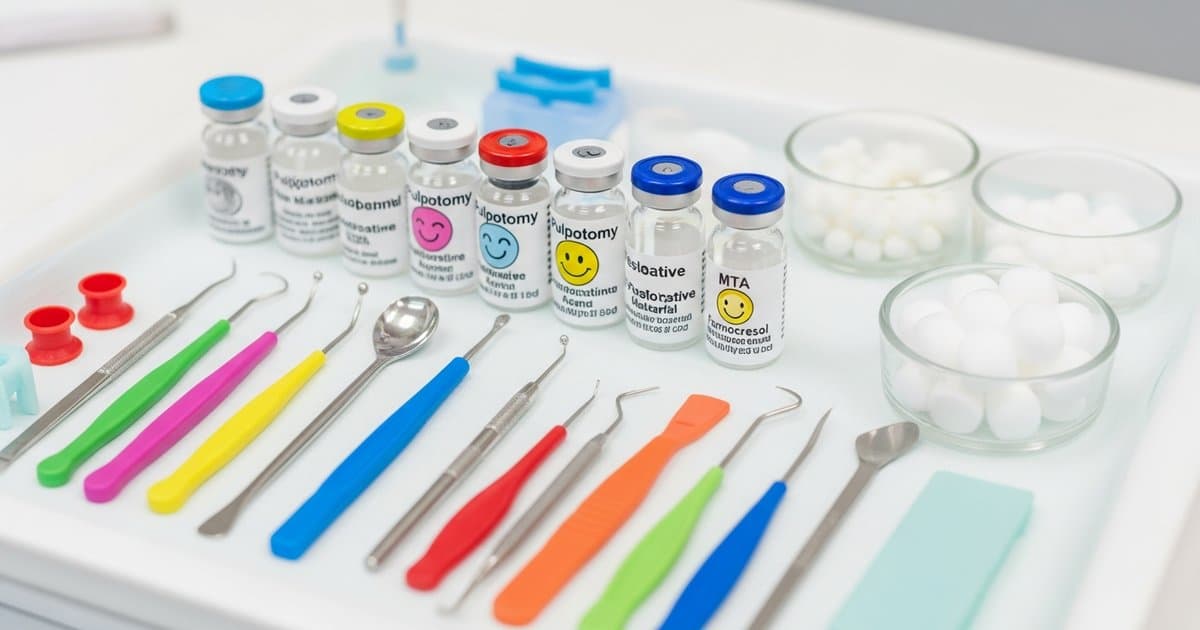
Pulp therapy procedures are among the most critical interventions in pediatric dentistry, often making the difference between saving a primary tooth and premature extraction. Having the right supplies readily available ensures successful outcomes while maintaining young patients' comfort throughout treatment. This comprehensive guide explores the essential materials needed for pulpotomy, pulpectomy, and vital pulp therapy procedures in pediatric patients, helping practice owners make informed purchasing decisions that support both clinical excellence and practice efficiency.
Essential Materials for Pulpotomy Procedures
Pulpotomy remains the gold standard treatment for primary teeth with coronal pulp exposure due to caries or trauma. Success depends heavily on using appropriate materials that accommodate the unique physiological characteristics of primary teeth.
Pulp Capping AgentsMineral Trioxide Aggregate (MTA) has emerged as the preferred pulp capping material for pediatric pulpotomies. ProRoot MTA and Angelus MTA are leading brands offering excellent biocompatibility and sealing properties. These materials promote healing while preventing bacterial infiltration, though they require careful mixing and placement techniques specific to pediatric applications.
Biodentine serves as an excellent alternative to MTA, offering faster setting times and easier handling characteristics. Its calcium silicate composition provides similar biological benefits while reducing chair time—a crucial factor when treating anxious young patients. The material's ability to set in moist conditions makes it particularly suitable for the challenging environment of pediatric oral cavities.
For practices seeking traditional approaches, formocresol remains available, though many pediatric dentists have transitioned to more biocompatible alternatives. When using formocresol, ensure proper isolation and minimal contact time to reduce potential concerns about tissue toxicity.
Hemostatic AgentsAchieving proper hemostasis is critical for pulpotomy success, particularly in primary teeth where pulp tissue tends to be more vascular. Ferric sulfate solution (15.5%) provides effective hemostasis without the potential complications associated with electrocautery in young patients. ViscoStat and Astringedent are popular formulations that offer reliable bleeding control.
Sodium hypochlorite solution (2.5-5%) serves dual purposes as both a hemostatic agent and disinfectant. This approach is particularly valuable in pediatric cases where minimizing the number of procedural steps can improve patient cooperation.
Base and Liner MaterialsFollowing pulp capping agent placement, a protective base helps ensure long-term success. Glass ionomer cements like Fuji IX or Ketac Molar provide excellent adhesion to both dentin and the overlying restoration while releasing fluoride for ongoing caries prevention. These materials are particularly important in pediatric cases where oral hygiene may be less than optimal.
Resin-modified glass ionomer bases offer enhanced strength and moisture tolerance, making them ideal for primary teeth that experience significant occlusal forces during the extended retention period before natural exfoliation.
Pulpectomy Supply Requirements
Complete pulp removal in primary teeth requires specialized materials that account for the complex root anatomy and resorption patterns characteristic of deciduous dentition. Unlike permanent teeth, primary tooth pulpectomy demands materials that resorb harmoniously with natural root resorption.
Root Canal Filling MaterialsZinc oxide eugenol (ZOE) paste remains the most widely used primary tooth root canal filling material. Endoflas and Vitapex are popular formulations that provide antimicrobial properties while resorbing along with the natural tooth structure. These materials must be carefully placed to avoid over-extension beyond the root apex, which could interfere with successor tooth development.
Calcium hydroxide-based pastes offer excellent biocompatibility and promote healing of periapical tissues. Materials like Metapex combine calcium hydroxide with iodoform for enhanced antimicrobial action, making them particularly suitable for infected cases.
For practices preferring non-eugenol alternatives, especially when composite restorations are planned, consider calcium silicate-based sealers that offer similar resorption characteristics without potential interference with adhesive materials.
Irrigation SolutionsPrimary tooth pulpectomy requires gentle yet effective irrigation to cleanse the complex root canal system without damaging developing permanent tooth buds. Sodium hypochlorite at reduced concentrations (0.5-1%) provides adequate disinfection while minimizing tissue irritation risks in pediatric patients.
Chlorhexidine gluconate (2%) serves as an excellent alternative irrigant, particularly for patients with latex allergies or sensitivities to hypochlorite solutions. Its substantivity provides prolonged antimicrobial action, which is valuable given the extended treatment timelines often required in pediatric cases.
EDTA solution (17%) helps remove the smear layer and enhances irrigant penetration into complex root canal anatomies common in primary teeth. Use cautiously and with reduced contact times in pediatric applications.
Instrumentation SuppliesHand instrumentation remains preferred for most pediatric pulpectomy procedures due to the delicate nature of primary tooth roots and proximity to developing permanent teeth. K-files and Hedstrom files in smaller sizes (typically #15-#40) accommodate the narrow canals while minimizing perforation risks.
Nickel-titanium rotary files designed specifically for primary teeth, such as the Kedo-S system, offer enhanced efficiency while maintaining safety margins appropriate for pediatric cases. These systems include specialized instruments sized for primary tooth anatomy.
When selecting child-size dental instruments for endodontic procedures, prioritize those with shorter working lengths and enhanced tactile feedback to accommodate the unique requirements of pediatric pulpectomy procedures.
Vital Pulp Therapy Materials and Techniques
Vital pulp therapy aims to preserve pulp vitality while eliminating infection and promoting healing. This conservative approach requires materials that support tissue regeneration while providing adequate disinfection.
Disinfection AgentsTriple antibiotic paste (metronidazole, minocycline, and ciprofloxacin) has gained popularity for disinfecting infected pulp tissue while maintaining vitality. Prepare fresh mixtures or use commercially available formulations, ensuring proper concentration to avoid tissue damage while achieving antimicrobial efficacy.
Calcium hydroxide paste provides both disinfection and pH modification to create an environment conducive to healing. Short-term applications (1-2 weeks) help eliminate bacteria while stimulating reparative dentin formation.
Sodium hypochlorite at very low concentrations (0.12-0.5%) can provide gentle disinfection for vital pulp therapy procedures, though careful application is essential to prevent tissue damage.
Regenerative MaterialsPlatelet-rich plasma (PRP) and platelet-rich fibrin (PRF) represent advancing regenerative approaches in pediatric vital pulp therapy. While requiring additional equipment and training, these autologous materials offer excellent biocompatibility and healing promotion capabilities.
Collagen matrices provide scaffolding for tissue regeneration while offering hemostatic properties. These materials are particularly valuable when treating traumatic pulp exposures in young permanent teeth.
Protective RestorationsFollowing vital pulp therapy, protective restoration is crucial for long-term success. Stainless steel crowns provide excellent protection for primary molars that have undergone pulp therapy, offering superior seal and durability compared to multi-surface composite restorations.
For anterior teeth, composite resin restorations with careful bonding protocols help maintain esthetics while providing adequate protection. Consider using bioactive composites that release fluoride and support ongoing remineralization.
Equipment and Instrumentation Considerations
Successful pulp therapy depends not only on materials but also on appropriate equipment sized and designed for pediatric applications. Standard adult-sized instruments often prove inadequate for the smaller anatomy and behavioral considerations inherent in pediatric dentistry.
Isolation SystemsRubber dam isolation is essential for pulp therapy procedures, requiring pediatric-specific dam materials and clamps. Smaller dam sheets and appropriately sized clamps (such as #00, #0, and #2) ensure proper isolation while accommodating smaller mouths and shorter clinical crowns typical of primary teeth.
Liquid dam materials can supplement traditional rubber dam isolation, particularly around challenging areas where conventional clamping proves difficult.
Magnification and LightingOperating microscopes or surgical loupes become even more critical in pediatric pulp therapy due to the smaller working spaces and need for precise material placement. LED illumination systems provide cool, bright lighting that doesn't generate excessive heat in sensitive young patients.
Delivery SystemsMicro-applicator tips and precision placement instruments help ensure accurate material placement in small pulp chambers and root canals. These tools are essential for proper MTA or Biodentine placement without contamination or over-extension.
Lentulo spirals in smaller sizes help place paste materials into primary tooth root canals, though hand placement often provides better control in pediatric cases.
Pain Management and Patient Comfort Supplies
Pediatric pulp therapy requires additional consideration for pain management and patient comfort, necessitating specific supplies beyond those needed for adult endodontic procedures.
Topical AnestheticsHigh-quality topical anesthetics in child-friendly flavors help reduce injection discomfort. Benzocaine gels (20%) or lidocaine preparations provide effective surface anesthesia, though application time and quantity require careful monitoring in pediatric patients.
Local AnestheticsArticaine (4%) with epinephrine provides excellent pulpal anesthesia with reduced injection volumes compared to lidocaine, making it particularly suitable for pediatric applications. The enhanced diffusion properties help achieve profound anesthesia with smaller quantities of anesthetic solution.
Consider epinephrine-free formulations for patients with specific medical conditions or when profound hemostasis isn't required, though pulpal anesthesia may be less predictable.
Sedation SuppliesNitrous oxide delivery systems require pediatric-specific nasal hoods and monitoring equipment calibrated for smaller patients. Ensure adequate scavenging systems to maintain safe working environments for both patients and staff.
How TGP Can Help
The Gramercy Group (TGP) understands the unique supply challenges facing pediatric dental practices, particularly when it comes to specialized pulp therapy materials. Through our comprehensive group purchasing organization, pediatric practices can achieve 20-30% savings on essential pulp therapy supplies while ensuring consistent access to high-quality materials.
Our buying power enables practices to stock premium materials like MTA, Biodentine, and specialized pediatric endodontic instruments without compromising their budget constraints. TGP's relationships with leading manufacturers ensure competitive pricing on both routine supplies and specialized items specific to pediatric pulp therapy procedures.
Beyond cost savings, TGP membership provides access to expert guidance on product selection and practice efficiency optimization. Our team understands the unique workflow requirements of pediatric practices and can recommend supply strategies that support both clinical excellence and operational efficiency. From bulk purchasing arrangements that ensure adequate inventory of essential materials to guidance on emerging technologies in pediatric pulp therapy, TGP serves as your partner in practice success.
The predictable cost structure achieved through TGP membership allows practices to budget more effectively for specialized procedures while maintaining the high-quality standards essential for pediatric patient care. This financial stability enables practices to invest in advanced materials and techniques that improve treatment outcomes and patient satisfaction.
Key Takeaways
• Material selection significantly impacts success rates - Choose biocompatible materials like MTA or Biodentine for optimal healing outcomes in pediatric pulp therapy procedures
• Primary tooth anatomy requires specialized approaches - Standard adult endodontic materials and techniques often require modification for deciduous tooth physiology and resorption patterns
• Hemostasis is critical for procedure success - Achieve proper bleeding control using ferric sulfate or dilute sodium hypochlorite before placing pulp capping materials
• Pediatric-specific instrumentation improves outcomes - Invest in appropriately sized instruments and equipment designed for smaller anatomies and behavioral considerations
• Isolation and infection control are paramount - Proper rubber dam isolation and disinfection protocols are essential for preventing contamination and ensuring healing
• Pain management requires special consideration - Use child-appropriate anesthetics and comfort measures to ensure patient cooperation throughout lengthy procedures
• Follow-up protocols must account for development - Monitor treated teeth carefully to ensure continued development of permanent successors and timely intervention if complications arise
• Cost management through group purchasing - Leverage buying power to access premium materials while maintaining budget control through organizations like TGP
FAQ
What are the most cost-effective pulp capping materials for high-volume pediatric practices?
While MTA remains the gold standard, Biodentine offers an excellent balance of clinical performance and cost-effectiveness for busy pediatric practices. Its faster setting time reduces chair time, allowing for more efficient scheduling, while its handling characteristics make it easier for staff to prepare consistently. For practices performing high volumes of pulpotomies, establishing relationships with suppliers through group purchasing organizations can reduce material costs by 20-30% while ensuring consistent supply availability. Consider bulk purchasing arrangements for frequently used items like ferric sulfate and glass ionomer bases to maximize cost savings.
How should practices handle inventory management for specialized pediatric pulp therapy supplies?
Effective inventory management requires balancing adequate stock levels with expiration date considerations, particularly for materials like MTA that have limited shelf life once opened. Implement a rotation system that ensures older materials are used first, and track usage patterns to optimize purchasing quantities. Keep emergency supplies of essential materials like pulp capping agents and hemostatic solutions, but avoid overstocking items with short shelf lives. Consider partnering with suppliers who offer just-in-time delivery for specialized items, and maintain relationships with local colleagues who might share emergency supplies when needed.
What training considerations are important when implementing new pulp therapy materials and techniques?
Staff training should encompass both clinical techniques and material handling procedures, as many modern pulp therapy materials require specific preparation and placement protocols. Provide hands-on training for dental assistants on material mixing and preparation, as consistent preparation directly impacts clinical success rates. Ensure all team members understand the timing requirements for different materials, particularly those with limited working times like MTA. Consider manufacturer-sponsored training sessions and continuing education courses focused on pediatric endodontics to stay current with evolving techniques and materials. Document protocols clearly and review them regularly to maintain consistency across all team members.