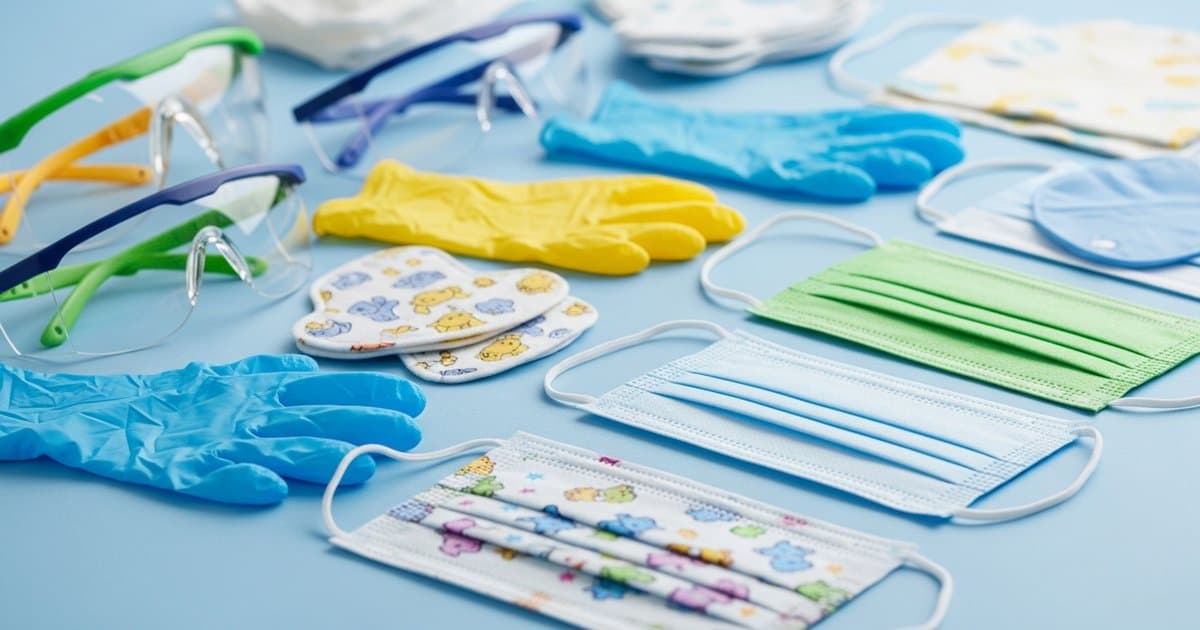
Personal protective equipment (PPE) forms the cornerstone of infection control in pediatric dental practices, serving as the primary barrier between dental professionals and potentially infectious materials. For pediatric practice owners, ensuring OSHA compliance while maintaining a child-friendly environment presents unique challenges that require careful consideration of both safety standards and young patients' comfort levels. This comprehensive guide will help you navigate the complex landscape of PPE requirements, from selecting the right equipment to implementing effective protocols that protect your team while keeping children at ease during their dental visits.
Understanding OSHA PPE Requirements for Dental Practices
The Occupational Safety and Health Administration (OSHA) mandates specific PPE requirements for dental practices under the Bloodborne Pathogens Standard (29 CFR 1910.1030). These regulations apply equally to pediatric and general dental practices, but implementation often requires additional considerations for working with children.
OSHA requires employers to provide PPE at no cost to employees and ensure proper training on its use. The standard mandates that PPE must be appropriate, properly fitted, and readily accessible. For pediatric dental practices, this means selecting equipment that not only meets safety standards but also allows for effective communication with young patients and their parents.
The basic PPE requirements include protective eyewear, face masks or respirators, protective clothing, and gloves. Each piece serves a specific function in preventing exposure to blood, saliva, and other potentially infectious materials (OPIM) commonly encountered during dental procedures.
Practice owners must also establish written exposure control plans that detail PPE protocols, including proper donning and doffing procedures, disposal methods, and replacement schedules. Regular training updates ensure staff maintain compliance with evolving standards and best practices.
Documentation plays a crucial role in OSHA compliance. Maintain records of PPE training, fit testing for respirators, and any exposure incidents. These records demonstrate your practice's commitment to safety and can be invaluable during inspections or in the event of workplace injuries.
Essential PPE Components for Pediatric Dental Teams
Eye and Face Protection
Protective eyewear stands as one of the most critical PPE components in pediatric dentistry. Children's unpredictable movements and reactions increase the risk of splash and splatter exposure, making proper eye protection essential for all team members.
Safety glasses with side shields provide basic protection for routine procedures, but wraparound styles offer superior coverage. Look for lightweight options with anti-fog coatings to maintain clear vision throughout treatments. Some practices opt for prescription safety glasses for staff members who wear corrective lenses, ensuring comfort during long procedures.
Face shields provide additional protection during high-aerosol procedures and can be particularly beneficial when working with anxious children who may move suddenly. Choose adjustable models that can accommodate different head sizes and provide clear, distortion-free vision. Some pediatric practices select colorful or decorated face shields to help reduce children's anxiety about the equipment.
Respiratory Protection
Face Masks and Respirators for Dental Professionals selection requires careful consideration of both protection level and child comfort. Standard surgical masks provide adequate protection for most routine procedures, but N95 respirators or higher-level protection may be necessary during aerosol-generating procedures.For pediatric practices, consider masks with fun patterns or colors that can help create a more welcoming environment. However, never compromise safety standards for aesthetics – ensure all masks meet ASTM Level 1, 2, or 3 standards as appropriate for the procedures performed.
Fit testing for respirators is mandatory under OSHA regulations. Conduct annual fit tests for all staff members required to wear N95s or other tight-fitting respirators, and maintain detailed records of these tests.
Hand Protection
Glove selection in pediatric dentistry involves balancing protection, dexterity, and allergen considerations. Many children have latex sensitivities, making nitrile gloves often the preferred choice for pediatric practices. Our comprehensive Glove Selection Guide for Pediatric Dental Professionals provides detailed information on choosing the right gloves for various procedures and patient needs.
Powder-free gloves reduce the risk of allergic reactions and minimize airborne particles that could cause respiratory issues in sensitive children. Select gloves with textured fingertips for improved grip, especially important when working with smaller instruments and in the confined space of a child's mouth.
Consider stocking multiple glove sizes to ensure proper fit for all team members. Poorly fitted gloves increase the risk of tears and reduce dexterity, potentially compromising both safety and treatment quality.
Protective Clothing
Protective clothing in pediatric dental practices must provide comprehensive coverage while allowing for comfortable interaction with children. Long-sleeved gowns or lab coats protect arms and clothing from splashes and contamination.
Disposable gowns offer convenience and eliminate concerns about proper laundering of contaminated clothing. For practices preferring reusable options, select fabrics that can withstand multiple high-temperature wash cycles with appropriate disinfectants.
Some pediatric practices choose protective clothing in bright colors or fun patterns to create a more welcoming environment. Ensure these choices don't compromise the garment's protective qualities or professional appearance.
Pediatric-Specific PPE Considerations
Working with children presents unique challenges that influence PPE selection and implementation. Young patients may feel intimidated by staff members wearing full PPE, potentially increasing anxiety and making procedures more difficult.
Consider the psychological impact of PPE on pediatric patients. Choose equipment that provides necessary protection while maintaining a friendly appearance. Clear face shields allow children to see facial expressions, helping maintain the human connection crucial for pediatric care.
Involve children in the PPE process when appropriate. Explain why team members wear protective equipment using age-appropriate language, and consider allowing children to touch or examine certain items to reduce fear and curiosity.
Size considerations become important when treating adolescent patients who may require adult-sized equipment for certain procedures. Maintain PPE in various sizes to accommodate the full range of pediatric patients, from toddlers to teenagers.
Communication challenges increase when wearing full PPE, particularly masks that muffle speech. Train staff on clear communication techniques and consider transparent masks for procedures requiring extensive patient interaction.
Color-coding PPE by staff role can help children identify different team members and understand their functions. This approach can reduce anxiety and improve cooperation during treatments.
Implementation and Training Protocols
Successful PPE programs require comprehensive training protocols that address both OSHA compliance and pediatric-specific considerations. Develop standardized procedures for donning and doffing PPE, ensuring all staff members can perform these tasks efficiently and safely.
Create visual aids and checklists to reinforce proper PPE procedures. Post these materials in convenient locations throughout the practice, particularly in areas where staff prepare for procedures.
Establish clear protocols for PPE failure scenarios. Train staff on immediate response procedures if gloves tear, masks become damaged, or other equipment fails during treatment. Keep backup supplies readily available in all treatment areas.
Regular practice drills help maintain proficiency and identify potential issues before they become problems. Conduct monthly training sessions that include hands-on practice with PPE procedures and updates on new regulations or best practices.
Documentation of training activities supports OSHA compliance and demonstrates your practice's commitment to safety. Maintain detailed records of all training sessions, including attendance, topics covered, and any competency assessments conducted.
Monitor PPE usage patterns to ensure adequate inventory levels and identify opportunities for improvement. Track usage rates, replacement frequencies, and staff feedback to optimize your PPE program.
Storage, Maintenance, and Quality Control
Proper storage of PPE ensures equipment remains effective and readily available when needed. Establish dedicated storage areas that protect equipment from contamination, moisture, and temperature extremes.
Implement inventory rotation systems to ensure older stock is used first, preventing expiration of time-sensitive items. Regularly inspect stored PPE for damage, expiration dates, and proper packaging integrity.
Quality control measures should include regular testing of equipment effectiveness. This might involve periodic fit testing of respirators, inspection of protective clothing for tears or wear, and verification that eye protection provides adequate coverage.
Establish relationships with reliable suppliers who can provide consistent quality and timely delivery of PPE items. Consider maintaining safety stock levels that can sustain operations during supply disruptions or unexpected demand increases.
Create maintenance schedules for reusable PPE items, including cleaning protocols, inspection procedures, and replacement criteria. Train staff on proper care techniques to maximize equipment lifespan while maintaining protective qualities.
How TGP Can Help
The Group Practice (TGP) understands the unique challenges facing pediatric dental practices when sourcing high-quality PPE while managing costs effectively. As a specialized group purchasing organization (GPO) serving dental practices nationwide, TGP leverages collective buying power to help member practices save 20-30% on essential PPE supplies without compromising quality or safety standards.
TGP's pediatric-focused approach means we understand the specific requirements for child-friendly PPE options that maintain OSHA compliance. Our procurement specialists work directly with leading manufacturers to secure preferential pricing on the gloves, masks, protective eyewear, and clothing your practice needs. This includes access to colorful, child-appropriate options that help create a welcoming environment while meeting all safety requirements.
Beyond cost savings, TGP membership provides access to expert guidance on PPE selection, compliance requirements, and implementation best practices specifically tailored for pediatric dental practices. Our team stays current with evolving OSHA regulations and industry standards, ensuring your practice maintains compliance while optimizing operational efficiency.
TGP's streamlined ordering system and reliable supply chain management help prevent costly stockouts and reduce administrative burden on your staff. Members benefit from consolidated billing, automatic reorder alerts, and dedicated customer support to ensure your PPE needs are met consistently and cost-effectively.
Key Takeaways
• OSHA PPE requirements apply equally to pediatric and general dental practices, but implementation must consider child comfort and anxiety reduction
• Essential PPE components include eye protection, respiratory protection, hand protection, and protective clothing, each serving specific safety functions
• Pediatric-specific considerations include selecting child-friendly colors and designs while maintaining professional safety standards
• Proper fit testing, training, and documentation are mandatory for OSHA compliance and optimal protection
• Clear communication protocols and staff training help maintain effectiveness when working with children while wearing full PPE
• Regular inventory management and quality control ensure equipment remains effective and readily available
• Group purchasing organizations like TGP can provide significant cost savings while maintaining access to high-quality, compliant PPE options
Frequently Asked Questions
What are the most common PPE compliance violations in pediatric dental practices?
The most frequent violations include inadequate training documentation, improper fit testing for respirators, and failure to provide PPE at no cost to employees. Many practices also struggle with maintaining proper storage conditions for PPE and implementing consistent protocols for equipment replacement. Pediatric practices sometimes face additional challenges when staff members modify or remove PPE to improve communication with children, which can create compliance issues if not properly managed through approved protocols.
How often should PPE training be conducted for pediatric dental staff?
OSHA requires initial training upon hire and additional training when procedures change or new equipment is introduced. Best practices suggest conducting comprehensive PPE training at least annually, with quarterly refresher sessions focusing on specific aspects like proper donning and doffing techniques. Pediatric practices should also provide specialized training on maintaining PPE effectiveness while working with children, including communication techniques and managing equipment during unexpected patient movements.
Can practices use child-friendly PPE designs while maintaining OSHA compliance?
Yes, practices can incorporate child-friendly elements into PPE selection as long as all safety and performance standards are maintained. The key is ensuring that any decorative elements or color choices don't compromise the protective qualities of the equipment. For example, colorful masks and fun-patterned face shields can help reduce child anxiety while still meeting ASTM standards for filtration and splash protection. Always verify that any modified or specialty PPE items carry appropriate certifications and meet OSHA requirements for protection levels.