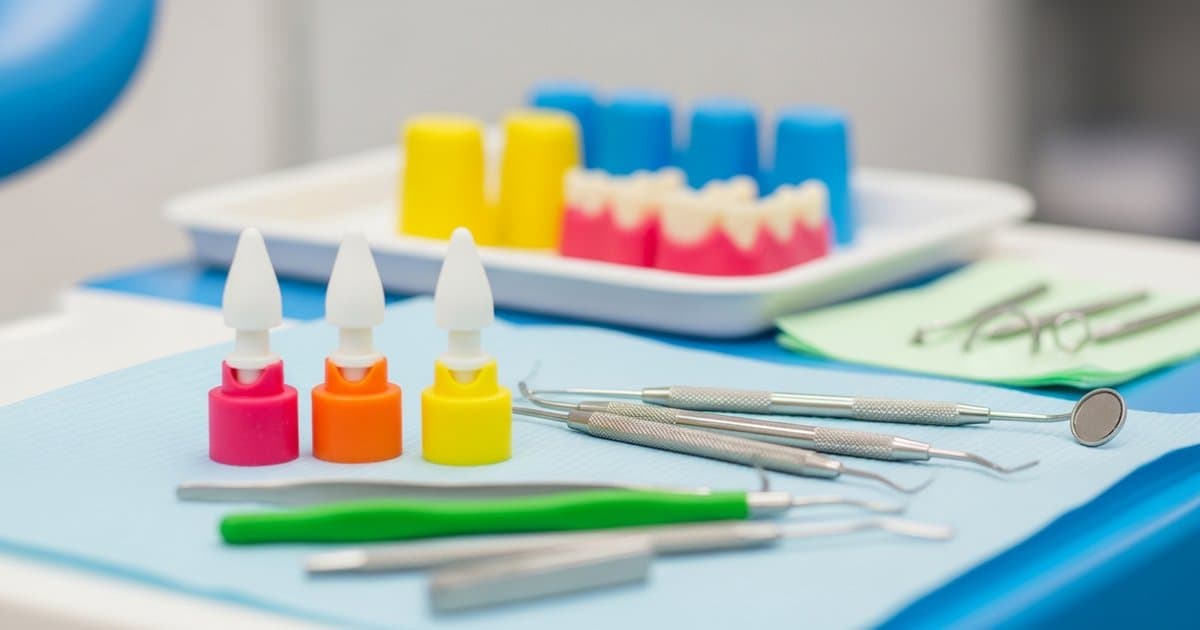
Choosing the right composite material for pediatric patients requires careful consideration of unique factors that don't typically apply to adult dentistry. Primary teeth have different structural characteristics, shorter clinical lifespans, and present distinct challenges during placement procedures. The decision between flowable and packable composites, along with emerging bioactive options, can significantly impact treatment success, longevity, and patient comfort. This comprehensive guide examines the key considerations for selecting pediatric composite materials, helping practice owners make informed decisions that optimize clinical outcomes while managing costs effectively.
Understanding Composite Types for Pediatric Applications
Flowable Composites: Advantages and Applications
Flowable composites contain lower filler content (typically 40-70% by volume) compared to their packable counterparts, resulting in reduced viscosity and enhanced flow characteristics. This property makes them particularly valuable in pediatric dentistry where access and patient cooperation can be challenging.
Key benefits for pediatric use:- Superior adaptation to cavity walls and margins
- Reduced technique sensitivity during placement
- Minimal pressure required for placement, reducing patient discomfort
- Excellent penetration into undercuts and difficult-to-reach areas
- Lower polymerization shrinkage stress due to elastic modulus
- Class V restorations, especially in primary teeth
- Small Class I restorations in primary molars
- Liner applications under packable composites
- Minimally invasive restorations following atraumatic restorative technique (ART)
- Sealant applications in challenging anatomical areas
Popular flowable options for pediatric practices include 3M Filtek Supreme Ultra Flowable, Kerr Premise Flowable, and Dentsply Surefil SDR Flow. The latter offers particular advantages with its stress-decreasing resin technology, which can be beneficial when working with the thinner enamel structure of primary teeth.
Packable Composites: Strength and Durability
Packable composites feature higher filler loading (typically 75-85% by volume), providing superior mechanical properties and wear resistance. While they require more careful placement techniques, their durability makes them suitable for high-stress applications in pediatric patients.
Advantages for pediatric dentistry:- Excellent wear resistance for posterior applications
- Superior compressive and flexural strength
- Better color stability over time
- Reduced polymerization shrinkage due to high filler content
- Improved sculptability for anatomical form reproduction
- Class II restorations in permanent molars
- Large Class I restorations requiring durability
- Areas subject to high occlusal forces
- Situations where longevity is prioritized over ease of placement
Leading packable options include 3M Filtek Supreme Ultra Universal, Kerr Herculite Ultra, and Ivoclar Tetric EvoCeram. When selecting packable composites for pediatric use, consider products with refined particle sizes that allow for better polishing—crucial for maintaining oral hygiene in young patients.
Bioactive Composite Options: The Future of Pediatric Restorations
Bioactive composites represent an exciting advancement in pediatric dentistry, offering therapeutic benefits beyond simple restoration of tooth structure. These materials release beneficial ions and can help remineralize adjacent tooth structure, providing particular advantages in high-caries-risk pediatric patients.
Calcium and Fluoride-Releasing Composites
Materials like Beautifil (Shofu) and Activa BioACTIVE (Pulpdent) incorporate bioactive glass or specialized fillers that release calcium, phosphate, and fluoride ions. This ionic release creates a more favorable environment around the restoration, potentially reducing secondary caries risk—a significant concern in pediatric patients.
Clinical benefits for pediatric patients:- Reduced secondary caries formation
- Remineralization of adjacent demineralized enamel
- Buffering effect against acid attacks
- Sustained fluoride release over time
- Improved marginal seal through chemical bonding
Alkaline pH Composites
Some bioactive composites maintain an alkaline pH, creating an environment less favorable to cariogenic bacteria. This property is particularly valuable in pediatric patients with poor oral hygiene or high caries risk.
The investment in bioactive composites may be justified in pediatric practices treating high-risk patients, as the potential for reduced retreatment rates can offset higher material costs. However, practitioners should be aware that some bioactive composites may have slightly different handling characteristics and may require adjustment to curing protocols when used with dental curing lights for pediatric procedures.
Primary Teeth Considerations: Unique Challenges and Solutions
Primary teeth present distinct characteristics that influence composite selection and placement techniques. Understanding these differences is crucial for achieving optimal clinical outcomes.
Structural Differences in Primary Teeth
Primary teeth have proportionally thinner enamel (approximately 1mm thick) and larger pulp chambers compared to permanent teeth. The enamel also has a lower mineral content and different prismatic structure, affecting bonding and restoration longevity.
Material selection implications:- Lower elastic modulus materials may be preferable to reduce stress concentration
- Thinner enamel requires excellent marginal adaptation
- Rapid placement techniques benefit from flowable consistency
- Bioactive properties become more valuable due to higher caries susceptibility
Managing Limited Treatment Time
Pediatric patients typically have shorter attention spans and limited cooperation windows, making efficient material placement crucial. This factor often favors flowable composites or self-leveling materials that reduce placement time.
Time-saving strategies:- Pre-warming composites to improve flow characteristics
- Using bulk-fill composites where appropriate (4-5mm increments)
- Selecting materials with extended working time
- Having strip crowns for pediatric anterior teeth available as alternative treatment options
Longevity vs. Function Period
Since primary teeth are naturally exfoliated, the required longevity of restorations differs from permanent teeth. This allows for more conservative material selection focused on function during the remaining tooth lifespan rather than decades of service.
Clinical Decision-Making Framework
Developing a systematic approach to composite selection helps ensure consistent treatment outcomes while optimizing inventory management and costs.
Patient Assessment Factors
Caries risk evaluation:- High-risk patients may benefit from bioactive composites
- Consider salivary flow and buffering capacity
- Evaluate dietary habits and oral hygiene compliance
- Assess fluoride exposure history
- Anxious or uncooperative patients may require faster-setting materials
- Consider sedation protocols and their impact on treatment time
- Evaluate patient's ability to maintain isolation during placement
- Cavity size and location influence material choice
- Access limitations may favor flowable materials
- Occlusal forces and parafunction affect durability requirements
Practice Efficiency Considerations
Maintaining a streamlined inventory while meeting diverse clinical needs requires careful material selection. Most successful pediatric practices limit their composite inventory to 2-3 primary materials that can handle 90% of their restoration needs.
Recommended inventory strategy:- One universal flowable composite for routine applications
- One high-strength packable composite for demanding situations
- One bioactive option for high-risk patients
- Limited shade selection (typically A2, A3, and one lighter shade covers most pediatric needs)
This approach reduces inventory costs, simplifies staff training, and ensures materials are used before expiration while maintaining clinical flexibility.
How TGP Can Help
The Groovy Projects (TGP) group purchasing organization specifically serves pediatric dental practices by leveraging collective buying power to reduce supply costs by 20-30%. This significant savings is particularly valuable for composite materials, which represent a substantial portion of most pediatric practices' supply budgets.
TGP's dental supply program provides access to all major composite brands at reduced prices, including premium bioactive options that might otherwise be cost-prohibitive for smaller practices. Members benefit from standardized pricing regardless of practice size, allowing even single-location practices to access volume discounts typically reserved for large groups.
Beyond cost savings, TGP provides ongoing education about new materials and techniques, helping pediatric practice owners stay current with advancing composite technology. The organization's focus on pediatric dentistry means recommendations are specifically tailored to the unique needs of practices treating children, considering factors like patient cooperation, treatment time constraints, and the specific requirements of primary teeth.
The savings achieved through TGP membership can be reinvested into practice growth, advanced equipment, or additional continuing education, creating a positive cycle of improvement and expansion. For practices evaluating bioactive composites or considering upgrades to premium materials, the cost savings through TGP often make these investments financially feasible.
Key Takeaways
• Flowable composites offer superior adaptation and reduced technique sensitivity, making them ideal for pediatric applications where patient cooperation may be limited
• Packable composites provide better durability and wear resistance for high-stress applications in permanent teeth or large restorations in primary teeth
• Bioactive composites with ion-releasing capabilities offer additional caries protection, particularly valuable for high-risk pediatric patients
• Primary teeth characteristics (thinner enamel, larger pulps, limited lifespan) influence material selection and favor more conservative approaches
• A streamlined inventory of 2-3 versatile composite materials can meet most pediatric restoration needs while optimizing costs and reducing complexity
• Treatment time limitations in pediatric patients favor materials with excellent flow characteristics and extended working times
• Group purchasing through organizations like TGP can reduce composite material costs by 20-30%, making premium bioactive options more accessible
• Clinical decision-making should incorporate caries risk assessment, patient cooperation level, and anatomical factors specific to each case
FAQ
What's the best composite for anterior primary teeth restorations?
For anterior primary teeth, flowable composites typically provide the best combination of aesthetics and ease of placement. Their superior flow characteristics allow excellent adaptation to cavity margins, which is crucial given the thin enamel of primary teeth. Products like 3M Filtek Supreme Ultra Flowable or Kerr Premise Flowable offer excellent polish retention and color stability. For larger defects, consider strip crown techniques as discussed in our strip crowns for pediatric anterior teeth guide, which may provide better long-term aesthetics and durability.
Are bioactive composites worth the additional cost in pediatric practices?
Bioactive composites can provide excellent value in pediatric practices, particularly for high-caries-risk patients. While initial material costs are higher, the potential for reduced secondary caries and fewer retreatments can offset this expense. The decision should be based on your patient population's caries risk profile. Practices serving predominantly high-risk patients often find bioactive composites cost-effective, while those with lower-risk populations may achieve adequate results with conventional materials. Group purchasing through organizations like TGP can reduce the cost differential, making bioactive options more accessible.
How do I optimize composite curing in pediatric patients with limited cooperation?
Successful composite curing in pediatric patients requires efficient light delivery and appropriate material selection. Use composites with extended working times but rapid cure capabilities when exposed to high-intensity curing lights. Consider bulk-fill materials for posterior applications to reduce the number of curing cycles required. Ensure your curing light is optimized for pediatric use as detailed in our dental curing lights for pediatric procedures guide. Pre-warming composites can improve flow and reduce placement time, while having appropriate behavior management protocols in place ensures adequate curing time for optimal material properties.