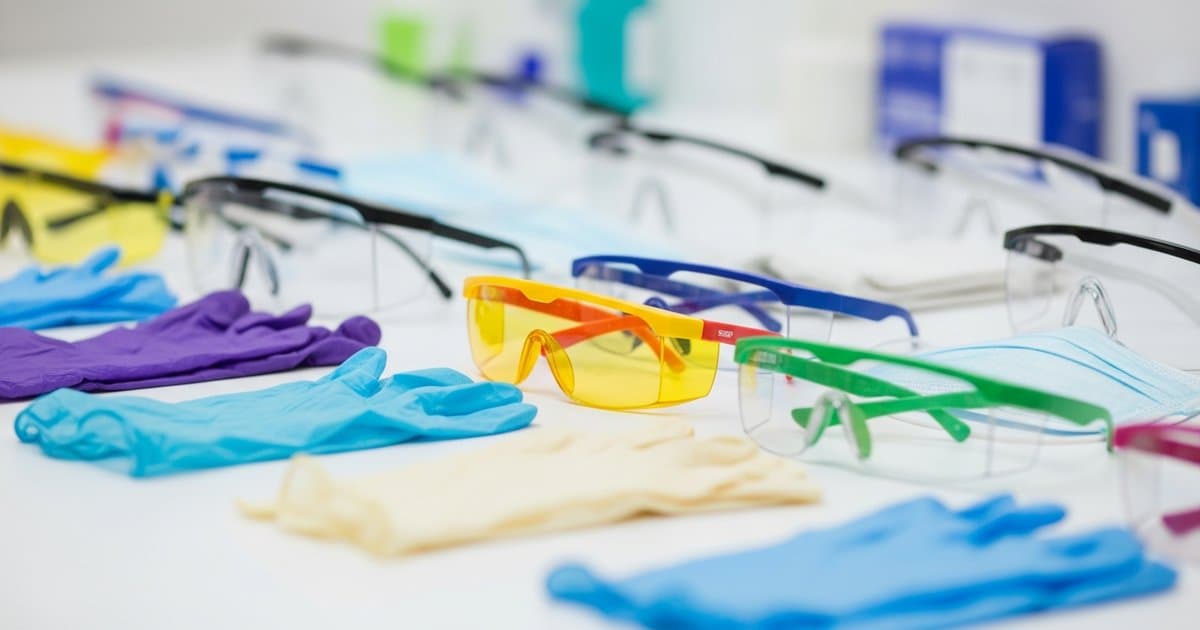
Protecting young patients' eyes during dental procedures isn't just about meeting safety standards—it's about creating a positive experience that helps children feel secure and comfortable in the dental chair. While adult patients typically understand the necessity of protective eyewear, pediatric patients present unique challenges that require specialized solutions. Child-sized safety glasses with engaging designs can transform what might be perceived as intimidating medical equipment into fun accessories that children actually look forward to wearing.
The importance of patient protective eyewear in pediatric dentistry extends beyond basic safety compliance. When children feel comfortable and engaged with their protective equipment, they're more likely to cooperate during procedures, leading to better treatment outcomes and more positive associations with dental care. This comprehensive guide will help pediatric dental practice owners understand the specific requirements for patient protective eyewear, explore the best options available, and implement strategies that make safety both effective and enjoyable for young patients.
Understanding Safety Requirements and Standards for Pediatric Patients
Patient protective eyewear in pediatric dental settings must meet specific safety standards while accommodating the unique anatomical and psychological needs of children. The Occupational Safety and Health Administration (OSHA) and the Centers for Disease Control and Prevention (CDC) establish guidelines for protective eyewear in dental settings, but pediatric practices face additional considerations when selecting appropriate equipment for their young patients.
Standard safety glasses designed for adults often fail to provide adequate protection for children due to improper fit. Children's facial structures are proportionally different from adults', with smaller interpupillary distances, shorter nose bridges, and narrower temporal widths. Ill-fitting eyewear can leave gaps that allow debris, aerosols, or chemical splashes to reach the eyes, defeating the purpose of protection entirely.
The key safety standards that pediatric protective eyewear must meet include impact resistance according to ANSI Z87.1 standards, which ensures the lenses can withstand high-velocity impacts from dental debris or instruments. Additionally, the eyewear should provide wrap-around coverage or side shields to protect against lateral exposure to aerosols and splatter common during dental procedures.
For pediatric applications, the eyewear must also be manufactured from non-toxic materials that are safe for prolonged contact with children's skin. Many practices overlook this consideration, but children are more sensitive to certain plastics and adhesives that might be acceptable in adult-only applications. Look for eyewear that explicitly states compliance with pediatric safety standards and uses hypoallergenic materials.
Chemical resistance is another crucial factor, particularly in pediatric practices where fluoride treatments, cleaning solutions, and other dental chemicals are routinely used. The protective eyewear should be able to withstand exposure to common dental chemicals without degrading or becoming cloudy, which could impair vision and create anxiety in young patients.
Child-Sized Options: Fit, Comfort, and Safety Features
Proper fit is paramount when selecting protective eyewear for pediatric patients, as poorly fitting glasses can cause discomfort, slip during procedures, or fail to provide adequate protection. Child-sized safety glasses typically feature adjustable components that can accommodate the wide range of facial sizes found in pediatric populations, from toddlers to teenagers.
The most effective pediatric safety glasses feature adjustable temple arms that can be shortened or lengthened to fit various head sizes without creating pressure points behind the ears. Adjustable nose pieces are equally important, as they ensure the glasses sit properly on the bridge of the nose without sliding down during treatment. Some manufacturers offer interchangeable nose pieces in different sizes, allowing practices to customize the fit for individual patients.
Lightweight construction is essential for pediatric applications, as heavy glasses can cause discomfort and lead to compliance issues. Modern child-sized safety glasses typically weigh less than 25 grams, making them comfortable for extended wear during longer procedures. The frame materials should be flexible enough to withstand the inevitable drops and impacts that occur in pediatric settings while maintaining their protective properties.
Strap options provide additional security and peace of mind, particularly for very young patients or those undergoing procedures where movement might cause traditional glasses to shift. Elastic straps should be soft, adjustable, and easy to clean between patients. Some practices prefer glasses with removable straps, allowing them to use the strap option selectively based on patient age and procedure type.
Anti-fog coatings are particularly important in pediatric applications, as children are more likely to become anxious or uncooperative if their vision is impaired. The combination of breathing patterns, temperature changes, and potential anxiety can quickly fog uncoated lenses. High-quality anti-fog treatments can maintain clear vision throughout most dental procedures, though practices should still have backup pairs available for longer treatments.
Scratch-resistant coatings extend the life of pediatric safety glasses and maintain optical clarity. Children are more likely than adults to handle glasses roughly or accidentally drop them, making scratch resistance a worthwhile investment for practices serving high volumes of pediatric patients.
Fun Designs and Colors That Engage Young Patients
The psychological aspect of pediatric dental care cannot be understated, and attractive, engaging eyewear designs can significantly impact a child's comfort level and cooperation during procedures. Modern manufacturers offer an impressive array of colors, patterns, and themed designs that can help transform protective eyewear from medical equipment into fun accessories that children actually want to wear.
Bright, vibrant colors tend to be most appealing to younger children, with options like electric blue, hot pink, lime green, and bright orange consistently ranking as favorites in pediatric dental settings. These bold colors also have the practical advantage of being highly visible, making it easier for dental staff to quickly locate and identify different sizes or types of protective eyewear.
Character-themed and patterned designs add an element of fun that can help distract children from procedure-related anxiety. Popular options include eyewear featuring cartoon characters, superhero themes, animal prints, sports motifs, and seasonal designs. Some practices find success in rotating their eyewear selection seasonally or offering themed options that align with holidays or local events.
The key to successful implementation of fun designs is having a diverse selection that appeals to different age groups and preferences. What appeals to a 4-year-old may seem babyish to a 10-year-old, so practices should stock options appropriate for different developmental stages. Teenage patients might prefer more sophisticated designs like gradient colors, geometric patterns, or styles that mimic fashionable sunglasses.
Some innovative practices have found success in allowing children to choose their eyewear color or design as part of the pre-procedure routine. This simple choice can provide a sense of control and engagement that reduces anxiety and improves cooperation. Having dedicated displays or presentation methods for the eyewear options can enhance this experience and create positive associations with the dental visit.
Consider creating a connection between protective eyewear and the overall theme or branding of your practice. If your practice has a specific character mascot or theme, incorporating these elements into your protective eyewear selection can reinforce your brand while creating consistency in the patient experience. This attention to detail demonstrates your commitment to creating a child-friendly environment and can be a differentiating factor for parents selecting a pediatric dental provider.
Implementation Strategies for Maximum Compliance and Comfort
Successfully implementing an engaging protective eyewear program requires more than simply purchasing child-friendly options—it demands thoughtful integration into your practice's workflow and patient communication strategies. The goal is to make wearing protective eyewear a natural, positive part of the dental experience rather than an additional source of anxiety or resistance.
Staff training plays a crucial role in successful implementation. Team members should understand not only the safety importance of protective eyewear but also how to present it to children in an engaging, non-threatening manner. Role-playing exercises can help staff practice introducing eyewear to patients of different ages and temperaments. Consider developing age-appropriate scripts that frame the eyewear as "special glasses" or "superhero gear" rather than medical equipment.
Creating a positive introduction routine can significantly impact patient acceptance. Some practices have found success in having staff members wear matching protective eyewear during the introduction, showing children that "everyone gets to wear the special glasses." This approach normalizes the eyewear and can create a sense of inclusion rather than singling out the patient for special treatment.
Timing the introduction of protective eyewear is critical for maintaining patient comfort and cooperation. Introducing eyewear too early in the appointment can create anxiety about upcoming procedures, while waiting too long might disrupt the treatment flow. Most successful practices introduce protective eyewear as part of the preparation phase, after the patient has settled into the chair but before beginning any procedures that might cause anxiety.
Proper sizing and adjustment procedures should be standardized to ensure consistent fit and comfort. Consider creating a simple sizing guide that helps staff quickly select appropriate eyewear based on patient age or facial measurements. Having a systematic approach to adjustment ensures that every patient receives properly fitted protection without lengthy trial-and-error processes that can test a child's patience.
Cleaning and maintenance protocols are essential for both safety and patient acceptance. Children are particularly sensitive to smudged or dirty lenses, and maintaining clean, clear eyewear demonstrates professionalism and attention to detail. Develop specific cleaning procedures for different types of coatings and materials, and ensure staff understand proper handling techniques that preserve anti-fog and scratch-resistant treatments.
Consider implementing a backup system for situations where children refuse to wear protective eyewear or when primary options become damaged during treatment. Having alternative options readily available—perhaps different styles or colors—can help overcome resistance without interrupting treatment schedules. Some practices maintain a selection of disposable protective eyewear as a backup option for particularly challenging situations.
Integration with Overall PPE and Practice Safety Protocols
Patient protective eyewear should seamlessly integrate with your practice's overall personal protective equipment strategy and safety protocols. This integration ensures consistent protection standards while maintaining the child-friendly atmosphere that characterizes successful pediatric dental practices. The relationship between patient eyewear and staff PPE creates opportunities to reinforce safety messages while building rapport with young patients.
Understanding how patient protective eyewear fits within broader PPE Requirements for Pediatric Dental Practices helps ensure comprehensive protection protocols that meet regulatory requirements while supporting positive patient experiences. Staff should be trained to present patient eyewear as part of a comprehensive safety approach that protects everyone in the treatment environment.
Storage and organization systems for patient protective eyewear should align with your practice's overall PPE management protocols. Designated storage areas should protect eyewear from contamination while keeping different sizes and styles easily accessible during patient care. Consider implementing color-coding or labeling systems that help staff quickly identify appropriate eyewear options without creating delays or confusion during patient preparation.
Inventory management for patient protective eyewear requires special consideration due to the variety of sizes, styles, and potential breakage rates associated with pediatric use. Unlike standard PPE items that have predictable usage rates, patient protective eyewear inventory must account for the unpredictable nature of pediatric interactions, including potential damage, loss, or contamination that requires immediate replacement.
Quality assurance protocols should include regular inspection of patient protective eyewear for signs of wear, damage, or coating degradation. Children may not report problems with their eyewear, making proactive inspection essential for maintaining safety standards. Develop simple checklist procedures that staff can use to quickly assess eyewear condition before each use.
Documentation and compliance tracking for patient protective eyewear use should integrate with your practice's overall safety documentation systems. This integration ensures that protective eyewear usage is consistently recorded and that compliance rates can be monitored and improved over time. Consider how patient protective eyewear compliance fits into your practice's quality improvement initiatives and patient safety programs.
The connection between patient protective eyewear and Creating a Child-Friendly Dental Operatory extends beyond simple equipment selection to encompass the entire patient experience. Eyewear selection, presentation, and use should align with your practice's overall approach to creating a welcoming, non-threatening environment that promotes positive associations with dental care.
How TGP Can Help
The Dental Group Purchasing Organization (TGP) understands the unique challenges pediatric dental practices face when sourcing specialized protective eyewear that meets both safety requirements and patient engagement needs. Through TGP's group purchasing power, pediatric practices can access premium child-sized safety glasses and fun, engaging designs at costs 20-30% lower than individual practice purchasing.
TGP's extensive network of suppliers includes manufacturers who specialize in pediatric protective eyewear, offering access to the latest innovations in child-friendly designs, improved comfort features, and enhanced safety technologies. This specialized focus means TGP members can access products that might not be available through traditional dental supply channels, including limited-edition character themes and seasonal designs that keep children engaged and excited about their dental visits.
The cost savings achieved through TGP membership are particularly significant for pediatric practices, which often need to maintain larger inventories of protective eyewear to accommodate different sizes, preferences, and the higher replacement rates associated with pediatric use. These savings allow practices to invest in higher-quality options with better comfort features, more durable construction, and more appealing designs without straining their supply budgets.
TGP's procurement specialists work directly with pediatric practices to understand their specific needs and patient demographics, helping identify the most appropriate eyewear options for their patient populations. This personalized approach ensures that practices receive products that align with their patient needs and practice philosophy while maximizing cost-effectiveness.
Beyond cost savings, TGP membership provides access to detailed product information, safety certifications, and implementation guidance that helps practices make informed decisions about protective eyewear selection and use. This support is particularly valuable for newer practices or those transitioning to more engaging, child-friendly eyewear options.
Key Takeaways
• Proper fit is essential for pediatric protective eyewear effectiveness, requiring child-specific sizing and adjustable features that accommodate growing facial structures
• Fun designs and appealing colors significantly improve patient compliance and comfort, transforming safety equipment into engaging accessories that children want to wear
• Staff training and implementation strategies are crucial for successful protective eyewear programs, requiring age-appropriate presentation techniques and systematic fitting procedures
• Integration with overall practice safety protocols ensures comprehensive protection while maintaining child-friendly environments that promote positive dental experiences
• Quality assurance and maintenance procedures preserve eyewear effectiveness and appearance, supporting both safety standards and patient acceptance
• Group purchasing through TGP provides access to specialized pediatric eyewear options at significantly reduced costs, enabling practices to offer better products while managing supply budgets effectively
• Inventory management must account for the unique needs of pediatric populations, including variety requirements and higher replacement rates due to damage or loss
How often should pediatric protective eyewear be replaced?
The replacement frequency for pediatric protective eyewear depends on usage patterns, care procedures, and visible wear indicators. Generally, eyewear should be replaced when lenses become scratched or cloudy enough to impair vision, when anti-fog coatings lose effectiveness, or when frames show signs of stress fractures or significant wear. High-volume pediatric practices typically replace eyewear every 6-12 months for frequently used items, while backup pairs may last longer. Individual assessment is key—any eyewear that doesn't fit properly, shows damage, or fails to provide clear vision should be immediately replaced regardless of age.
What should I do if a child refuses to wear protective eyewear?
Child refusal to wear protective eyewear requires patience and creative problem-solving approaches. Start by offering choices—different colors, styles, or designs can give children a sense of control. Consider having staff model wearing the eyewear first, or introducing it as "superhero glasses" or "special scientist equipment." For persistent refusal, try shorter exposure periods, allowing the child to handle and examine the eyewear before wearing it. Some practices successfully use distraction techniques, engaging children in conversation about the fun designs while placing the eyewear. If refusal continues, consider postponing non-urgent procedures until the child is more comfortable, as forcing eyewear use can create negative associations with dental care.
Are there specific eyewear requirements for different pediatric dental procedures?
Different pediatric dental procedures may require varying levels of eye protection, though basic safety glasses are typically sufficient for most routine treatments. Procedures involving high-speed instruments, air-powder polishing, or chemical applications may benefit from wrap-around styles or side shields for enhanced protection. Orthodontic procedures might require eyewear that accommodates different positioning requirements. Surgical procedures typically demand more comprehensive eye protection, potentially including disposable options for sterility. The key is matching the level of protection to the procedure's risk profile while maintaining comfort and compliance. Consult your specific procedure protocols and regulatory requirements to ensure appropriate eyewear selection for each treatment type.