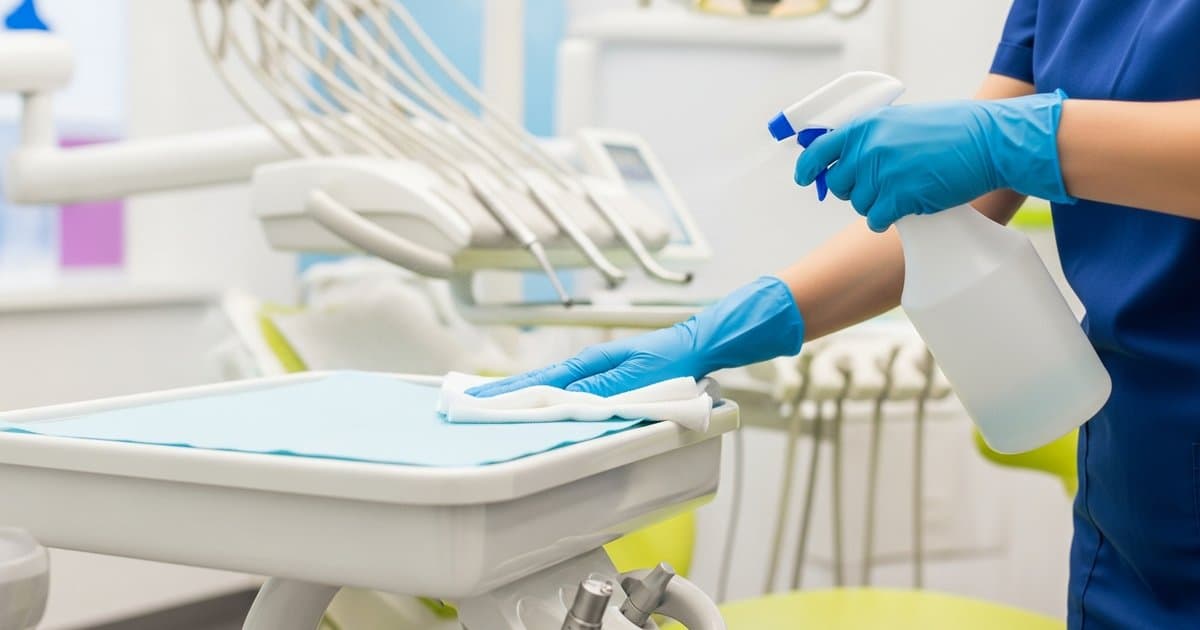
Between each pediatric patient, your operatory must transform from a potentially contaminated space into a pristine environment ready for the next young visitor. This critical transition period—operatory turnover—represents one of the most crucial infection control processes in pediatric dental practices. With children's developing immune systems and their tendency to touch surfaces throughout the operatory, establishing efficient disinfection protocols isn't just about compliance; it's about creating a safe haven where families trust you with their most precious patients.
Effective operatory turnover requires more than simply wiping down surfaces. It demands a systematic approach that balances thorough disinfection with time efficiency, ensuring your practice maintains optimal patient flow while meeting the highest safety standards. For pediatric practices, this process carries additional considerations, from selecting child-safe disinfectants to managing the unique contamination patterns that come with treating energetic young patients who may not always follow standard infection control behaviors.
Essential Disinfection Protocols for Pediatric Operatories
The foundation of effective operatory turnover lies in establishing standardized protocols that your team can execute consistently between every patient. The CDC and ADA recommend a systematic approach that addresses all potentially contaminated surfaces, equipment, and areas within the operatory.
Your disinfection protocol should begin immediately after patient dismissal with the removal and disposal of all single-use items, including gloves, masks, and surface barriers. This initial step prevents cross-contamination during the cleaning process and provides clear visual confirmation of which surfaces require attention. For pediatric operatories, pay particular attention to areas that children commonly touch, such as chair arms, overhead lights, and any entertainment systems or tablets used during treatment.
The next phase involves pre-cleaning surfaces to remove visible debris and bioburden before applying disinfectants. This step is critical because organic matter can significantly reduce disinfectant effectiveness. Use disposable wipes or paper towels with an appropriate cleaning solution, working from cleanest to most contaminated areas. In pediatric settings, this often means addressing unique contamination patterns, such as sticky fingerprints on monitors or saliva on chair controls that curious children may have explored.
Following pre-cleaning, apply your chosen surface disinfectant according to manufacturer specifications, paying careful attention to contact time requirements. Many practices rush this crucial step, but allowing adequate contact time ensures pathogen elimination. For pediatric practices, consider disinfectants with shorter contact times to improve turnover efficiency while maintaining thorough disinfection.
Your protocol should include a comprehensive surface checklist covering dental unit surfaces, light handles, chair controls, countertops, computer keyboards, drawer handles, and any pediatric-specific equipment like video monitors or comfort items. Documentation of completion times and responsible staff members helps maintain accountability and identifies opportunities for protocol refinement.
Critical Supply Categories for Efficient Turnover
Successful operatory turnover depends on having the right supplies readily available and properly organized. Understanding the different categories of disinfection supplies and their specific applications helps practices make informed purchasing decisions while maintaining adequate inventory levels.
Surface disinfectants represent the cornerstone of your supply arsenal. Look for EPA-registered products with broad-spectrum antimicrobial activity, including effectiveness against viruses, bacteria, and fungi. For pediatric practices, prioritize disinfectants with low odor profiles and minimal volatile organic compounds (VOCs) to maintain a comfortable environment for sensitive young patients. Products like CaviCide, Optim 1, and Lysol IC offer excellent efficacy with pediatric-appropriate characteristics. Our comprehensive Surface Disinfectants for Dental Offices: A Comparison Guide provides detailed comparisons of leading products to help you select the best options for your practice needs.
Barrier products significantly reduce turnover time by eliminating the need to disinfect covered surfaces. Plastic barriers, covers, and sleeves protect high-touch areas like light handles, chair controls, and computer equipment. While barrier products require initial investment and ongoing replacement costs, they often provide net time savings and reduce disinfectant consumption. For pediatric practices, consider clear barriers that don't obscure important visual elements while providing effective protection. The strategic use of barriers becomes even more valuable in pediatric settings where thorough surface disinfection may take longer due to unique contamination patterns. Learn more about optimizing barrier protection in our guide on Barrier Products for Pediatric Dental Operatories.
Cleaning supplies work in conjunction with disinfectants to ensure optimal efficacy. Pre-cleaning wipes, microfiber cloths, and appropriate cleaning solutions remove bioburden that can interfere with disinfectant activity. Disposable options eliminate cross-contamination risks but generate more waste, while reusable options require proper laundering protocols. Consider your practice's workflow, environmental goals, and cost considerations when selecting cleaning supplies.
Personal protective equipment (PPE) for cleaning staff includes appropriate gloves, eye protection, and respiratory protection when indicated. Heavy-duty utility gloves provide better chemical resistance than examination gloves, while safety glasses protect against splash exposure. In pediatric practices, cleaning staff may encounter more varied contamination, making proper PPE selection crucial for staff safety.
Time-Saving Workflow Optimization Strategies
Efficient operatory turnover requires more than quality supplies; it demands optimized workflows that minimize time while maximizing thoroughness. Successful pediatric practices typically achieve 10-15 minute turnover times through strategic workflow design and team coordination.
Implement a two-person turnover system when possible, with one team member focusing on equipment and surface disinfection while another addresses room reset activities like restocking supplies and preparing for the next patient. This parallel processing approach can reduce turnover times by 30-40% compared to single-person protocols. In pediatric practices, the second team member can also address child-specific room preparation, such as selecting age-appropriate entertainment options or adjusting chair positioning for the next patient's size.
Create dedicated turnover carts or stations equipped with all necessary supplies, eliminating time spent searching for materials. Stock these mobile units with disinfectants, cleaning supplies, PPE, and replacement items. Position carts strategically to serve multiple operatories efficiently. Include pediatric-specific supplies like sanitizing wipes for toys or entertainment devices that may be shared between patients.
Establish clear communication protocols between clinical and support staff to coordinate turnover timing. Use visual signals, digital messaging systems, or simple hand signals to indicate when operatories are ready for cleaning and when turnover is complete. This coordination prevents bottlenecks and ensures optimal patient flow, particularly important in pediatric practices where appointment timing may be less predictable.
Consider implementing technology solutions like turnover tracking apps or digital checklists that help staff maintain protocol consistency while identifying efficiency opportunities. These tools can highlight which operatories consistently require longer turnover times or which staff members might benefit from additional training.
Zone cleaning approaches can further optimize efficiency by grouping similar tasks across multiple operatories. Rather than completing full turnover in one room before moving to the next, team members can complete all surface disinfection tasks across several rooms, then return to complete room preparation activities. This approach maximizes disinfectant contact time utilization while maintaining continuous workflow.
Pediatric-Specific Considerations and Challenges
Pediatric dental practices face unique operatory turnover challenges that require specialized approaches and additional considerations beyond standard adult-focused protocols. Understanding these distinctive factors helps practices develop more effective and efficient turnover procedures.
Children's natural curiosity and developing motor skills often result in more extensive surface contamination than typically seen with adult patients. Young patients may touch chair controls, monitors, overhead lights, and other surfaces that adults typically avoid. This expanded contamination pattern requires more comprehensive surface disinfection and longer cleaning times. Plan for these extended requirements when scheduling appointments and training staff on pediatric-specific turnover protocols.
Behavioral management tools commonly used in pediatric dentistry require special attention during turnover. Video monitors, tablets, headphones, and comfort items need thorough disinfection or replacement between patients. Consider establishing protocols for electronics that may be sensitive to liquid disinfectants, such as using appropriate disinfectant wipes designed for electronic equipment or implementing barrier protection strategies.
Entertainment and distraction devices present ongoing contamination risks throughout appointments. Children may handle these items with contaminated hands, creating secondary contamination sources. Implement protocols for sanitizing or replacing these items mid-appointment when necessary, and ensure turnover procedures address all entertainment equipment thoroughly.
Pediatric patients may have heightened sensitivity to chemical odors or strong scents from disinfectants. Select low-odor formulations when possible, and ensure adequate ventilation during turnover periods. Some practices schedule brief intervals between appointments to allow chemical odors to dissipate, particularly important when treating children with respiratory sensitivities or autism spectrum disorders who may be particularly sensitive to environmental changes.
Size-related considerations affect turnover efficiency in pediatric practices. Chair adjustments, equipment positioning, and room configuration changes may be necessary between patients of significantly different sizes. Train staff to efficiently manage these adjustments as part of standard turnover protocols rather than treating them as separate activities.
Consider implementing pediatric-specific supply considerations, such as maintaining child-safe disinfectants for surfaces that children might contact during treatment, and ensuring all cleaning supplies are stored securely away from curious young patients and siblings who may accompany patients to appointments.
How TGP Can Help
The Group Practice (TGP) understands the unique supply needs and cost pressures facing pediatric dental practices today. As a specialized group purchasing organization serving dental practices nationwide, TGP leverages collective buying power to help member practices achieve 20-30% savings on essential operatory turnover supplies.
Through strategic partnerships with leading manufacturers, TGP members gain access to preferred pricing on critical disinfection supplies including surface disinfectants, barrier products, cleaning materials, and PPE. These savings directly impact your practice's bottom line while ensuring access to high-quality products that meet pediatric practice requirements.
TGP's procurement specialists work with pediatric practices to analyze current supply utilization patterns and identify optimization opportunities. This consultative approach helps practices right-size their inventory levels, reduce waste, and ensure adequate stock of essential turnover supplies. Members also benefit from standardized product evaluations and recommendations specifically relevant to pediatric dental applications.
Beyond cost savings, TGP membership provides access to educational resources, best practice sharing, and ongoing support for infection control protocol development. Our network of pediatric dental professionals regularly shares innovations and refinements in operatory turnover procedures, helping all members improve efficiency while maintaining safety standards.
TGP's streamlined ordering and delivery systems ensure consistent supply availability, eliminating the risk of turnover delays due to product shortages. Automated reordering options and flexible delivery scheduling help practices maintain optimal inventory levels without tying up excessive capital in supply stocks.
Key Takeaways
• Establish standardized disinfection protocols that address pediatric-specific contamination patterns and surface requirements
• Invest in quality surface disinfectants with appropriate efficacy profiles, low odor characteristics, and pediatric-suitable properties
• Implement strategic barrier product usage to reduce turnover time while maintaining thorough protection
• Optimize workflow through team coordination, dedicated supply stations, and parallel processing approaches
• Plan for extended turnover times in pediatric practices due to more extensive surface contamination and unique equipment requirements
• Select disinfection products and protocols that accommodate children's sensitivities to chemical odors and environmental changes
• Maintain adequate inventory of specialized pediatric turnover supplies while managing costs through group purchasing opportunities
• Train staff thoroughly on pediatric-specific turnover procedures and maintain protocol consistency through documentation and monitoring
• Consider technology solutions and process improvements that enhance efficiency without compromising safety standards
Frequently Asked Questions
How long should operatory turnover take in a pediatric practice?
Operatory turnover in pediatric practices typically requires 10-15 minutes when following optimized protocols, though this may extend to 20 minutes for particularly complex cases or when treating patients with special needs. The extended timeframe compared to adult practices reflects the need for more comprehensive surface disinfection due to children's tendency to touch more surfaces, additional time required for entertainment equipment sanitization, and potential chair/equipment adjustments between patients of varying sizes. Practices can optimize these timeframes through proper workflow design, adequate staffing, and strategic use of barrier products, but should avoid rushing the process at the expense of thoroughness. Remember that consistent adherence to protocols is more important than speed, and building realistic turnover times into your scheduling ensures both safety and efficiency.
What's the most cost-effective approach to operatory disinfection supplies?
The most cost-effective approach balances upfront product costs with time efficiency and safety outcomes. While premium disinfectants may cost more per unit, they often provide superior efficacy, faster contact times, and better staff acceptance, resulting in lower total cost of ownership. Strategic barrier product usage can significantly reduce disinfectant consumption and turnover time, often providing net cost savings despite initial investment requirements. Group purchasing through organizations like TGP typically yields 20-30% savings on quality products, making this the single most impactful cost reduction strategy for most practices. Consider total workflow costs rather than individual product prices—a slightly more expensive disinfectant that reduces turnover time by even two minutes per patient can generate significant value through improved patient flow and reduced labor costs.
Should we use different disinfection protocols for different types of pediatric procedures?
Yes, different pediatric procedures may warrant modified disinfection protocols based on contamination risk and complexity. Routine cleanings and simple restorative procedures typically follow standard turnover protocols, while more complex procedures involving significant aerosol generation, surgical intervention, or sedation may require enhanced disinfection measures. Procedures involving patients with compromised immune systems or infectious diseases require additional precautions and potentially different disinfectant selections. However, it's generally more practical and safer to establish a single, comprehensive protocol that addresses the highest level of contamination risk you routinely encounter, ensuring consistent protection across all procedures. This approach eliminates the risk of protocol confusion while maintaining appropriate safety margins for all patient types and treatment complexities.