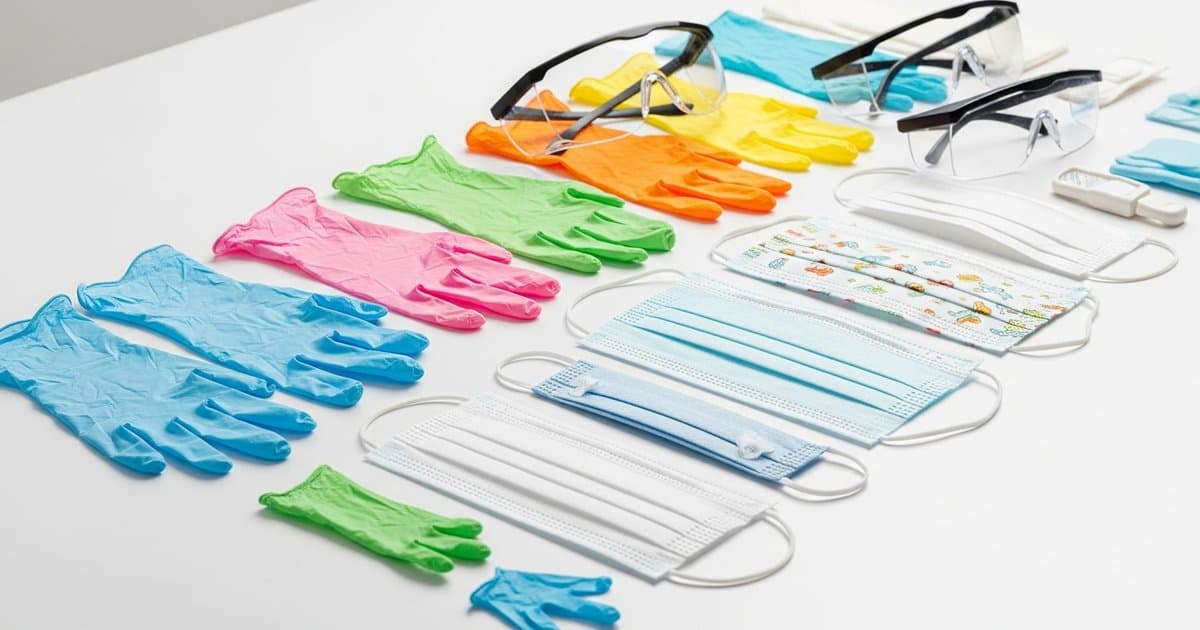
Managing latex allergies in pediatric dental practice is a critical safety consideration that can significantly impact patient health outcomes and practice liability. With latex sensitivity affecting approximately 1-6% of the general population and up to 17% of healthcare workers, creating a latex-safe environment has become an essential component of modern dental practice management. For pediatric patients, this concern is particularly acute as children with conditions like spina bifida, multiple surgeries, or frequent medical interventions face dramatically higher rates of latex allergy development.
The consequences of latex exposure for allergic patients can range from mild contact dermatitis to life-threatening anaphylactic reactions, making proper identification and management of latex-containing materials a non-negotiable aspect of patient safety. Pediatric dental practices must navigate the unique challenges of treating young patients while maintaining rigorous safety protocols that protect both allergic children and staff members from potentially dangerous exposures.
Understanding Latex Allergies in Pediatric Patients
Latex allergies manifest through three distinct mechanisms, each requiring different management approaches in the dental setting. Type I hypersensitivity reactions represent the most severe form, involving IgE-mediated responses that can progress to anaphylaxis within minutes of exposure. These reactions are particularly dangerous in pediatric patients due to their smaller body mass and potentially delayed recognition of symptoms.
Type IV delayed hypersensitivity reactions typically present as contact dermatitis 24-48 hours after exposure, while irritant contact dermatitis results from direct skin irritation rather than true allergic response. Pediatric patients may struggle to articulate their symptoms effectively, making careful observation and parental communication essential for early recognition of allergic reactions.
Children with certain medical conditions face significantly elevated latex allergy risks. Spina bifida patients demonstrate latex sensitivity rates approaching 60-70%, while children with congenital urological abnormalities, multiple surgical procedures, or healthcare worker parents also show increased prevalence. These high-risk populations require proactive latex-free treatment protocols from their first dental visit.
The cross-reactivity between latex proteins and certain foods, known as latex-fruit syndrome, adds another layer of complexity to pediatric management. Children allergic to bananas, avocados, kiwi, chestnuts, or tomatoes may also react to latex proteins, necessitating careful history-taking and preventive measures even when latex allergy hasn't been previously diagnosed.
Identifying Latex-Containing Dental Supplies
Traditional dental practices contain numerous latex-containing items that require systematic identification and replacement. Examination gloves historically represented the most significant source of latex exposure, though widespread adoption of nitrile and vinyl alternatives has substantially reduced this risk. However, many practices still maintain latex glove inventory for specific procedures, requiring clear labeling and restricted access protocols.
Dental dams present a particularly challenging latex source in pediatric dentistry, as these devices maintain direct patient contact for extended periods during restorative procedures. Natural rubber dental dams contain high concentrations of latex proteins and can trigger severe reactions in sensitive patients. Fortunately, synthetic alternatives made from silicone or nitrile materials provide equivalent isolation properties without latex exposure risks.
Rubber polishing cups, commonly used during pediatric prophylaxis appointments, often contain latex materials that may not be immediately obvious to clinical staff. These disposable items require careful product specification review to ensure latex-free alternatives are consistently selected. Similarly, orthodontic elastics, bite blocks, and impression materials may contain natural rubber components requiring evaluation and potential substitution.
Less obvious latex sources include adhesive tapes, tourniquets for IV access during sedation procedures, blood pressure cuff bladders, and even some cleaning supplies. Equipment manufacturers increasingly provide latex content disclosure in product specifications, but older inventory may lack clear labeling requiring systematic audit and replacement protocols.
Administrative supplies can also pose unexpected latex exposure risks. Rubber bands, erasers, and even some paper products may contain latex additives. While these items typically involve lower exposure concentrations, maintaining truly latex-free environments requires comprehensive material evaluation extending beyond clinical supplies.
Creating a Latex-Safe Treatment Environment
Establishing effective latex-free protocols requires systematic approach addressing both product selection and environmental management. The most comprehensive strategy involves maintaining completely latex-free clinical areas, eliminating the risk of cross-contamination and ensuring consistent safety for all patients regardless of allergy status.
Product standardization represents the foundation of effective latex management. Implementing practice-wide policies requiring latex-free alternatives for all routine supplies eliminates confusion and reduces the risk of inadvertent exposure. This approach particularly benefits pediatric practices where staff turnover and varying experience levels might compromise selective latex avoidance protocols.
For practices choosing to maintain some latex-containing products, strict segregation protocols become essential. Latex items require separate storage areas with clear warning labels, while latex-free alternatives must be immediately accessible for allergic patients. Staff training must emphasize proper hand hygiene and environmental decontamination when transitioning between latex and latex-free patient care.
Environmental considerations extend beyond supply selection to include air quality management. Powdered latex gloves create airborne latex particles that can trigger respiratory reactions in sensitive individuals. Even practices using only latex-free gloves must consider potential contamination from shared facilities or adjacent treatment areas where latex products remain in use.
Room preparation for latex-allergic patients should follow systematic protocols including thorough surface cleaning with appropriate disinfectants, equipment inspection to verify latex-free status, and staff preparation using only latex-free protective equipment. Documentation of these preparation steps provides important liability protection and ensures consistent safety protocols across all team members.
Staff Training and Emergency Preparedness
Comprehensive staff education forms the cornerstone of effective latex allergy management in pediatric dental practices. All team members, from front desk personnel to clinical assistants, require training on latex allergy recognition, prevention strategies, and emergency response protocols. This education must address the unique challenges of pediatric patients who may not effectively communicate allergic symptoms.
Training programs should emphasize proper patient screening techniques, including detailed medical history taking and recognition of high-risk patient populations. Staff must understand the importance of documenting latex allergies prominently in patient records and developing systematic alerts to prevent inadvertent exposure during future visits. Electronic health record systems should include mandatory allergy screening fields and automatic alerts for latex-sensitive patients.
Clinical staff require specialized training on latex-free product identification, proper storage and handling procedures, and cross-contamination prevention techniques. This includes understanding which products contain latex, recognizing when latex-free alternatives are necessary, and implementing proper hand hygiene protocols when transitioning between different product types.
Emergency preparedness training must address the rapid recognition and treatment of allergic reactions ranging from mild contact dermatitis to severe anaphylaxis. Pediatric-specific considerations include age-appropriate medication dosing, communication strategies for frightened children, and coordination with parents or guardians during emergency situations. Regular emergency drills help maintain staff competency and identify potential protocol improvements.
Documentation requirements for latex allergy management extend beyond basic medical record keeping to include incident reporting, product tracking, and staff competency verification. Proper documentation provides essential liability protection while supporting continuous quality improvement efforts in latex safety management.
For comprehensive guidance on protective equipment selection that supports latex-free protocols, refer to our detailed PPE Requirements for Pediatric Dental Practices resource, which outlines specific product recommendations and implementation strategies.
Product Recommendations and Alternatives
Modern dental supply manufacturers offer extensive latex-free alternatives that maintain clinical effectiveness while eliminating allergy risks. Nitrile examination gloves have become the gold standard for latex-sensitive environments, providing superior puncture resistance and chemical compatibility compared to latex options. Leading brands like Kimberly-Clark Purple Nitrile and Ansell TouchNTuff offer pediatric-specific sizing and enhanced tactile sensitivity for delicate procedures.
Dental dam alternatives include Coltene Flexi-Dam, a synthetic rubber option that provides excellent isolation properties without latex proteins. For practices preferring traditional rubber dam techniques, Hygenic Non-Latex Dental Dam offers familiar handling characteristics with complete latex-free composition. These alternatives typically cost 15-20% more than latex options but provide essential safety benefits for allergic patients.
Prophylaxis supplies require careful selection to ensure latex-free status. 3M ESPE Proxyt prophy cups utilize synthetic rubber compounds while maintaining effective polishing characteristics. Young Dental Latex-Free Prophy Angles provide reliable performance with clear latex-free labeling, reducing the risk of inadvertent latex exposure during routine cleanings.
Impression materials present fewer latex concerns as most modern products utilize synthetic polymers. However, practices should verify latex-free status with manufacturers, particularly for older inventory or specialty products. Dentsply Sirona Aquasil Ultra and 3M ESPE Impregum offer reliable latex-free options for pediatric impressions.
Orthodontic supplies increasingly feature latex-free alternatives as manufacturers recognize allergy prevalence in pediatric populations. American Orthodontics Latex-Free Elastics and Ormco Non-Latex Power Chain provide effective tooth movement without latex exposure risks. These products typically demonstrate equivalent clinical performance to latex-containing alternatives while supporting comprehensive allergy management protocols.
For detailed guidance on selecting appropriate protective equipment that complements latex-free protocols, consult our comprehensive Glove Selection Guide for Pediatric Dental Professionals, which provides specific product recommendations and sizing considerations for pediatric practices.
How TGP Can Help
The Dental Group Practice understands that implementing comprehensive latex-free protocols can significantly impact supply costs and inventory management complexity. Our group purchasing organization leverages collective buying power from hundreds of pediatric dental practices to negotiate substantial savings on latex-free alternatives, typically reducing supply costs by 20-30% compared to individual practice purchasing.
TGP's specialized pediatric focus ensures our contracted suppliers understand the unique requirements of latex allergy management in children's dental care. We maintain preferred pricing agreements with leading manufacturers of latex-free examination gloves, dental dams, prophylaxis supplies, and other essential items discussed in this guide. These negotiated rates make latex-free protocols financially accessible for practices of all sizes while maintaining the highest safety standards.
Our supply chain experts work directly with pediatric practices to develop customized latex-free product recommendations based on specific clinical needs and patient populations. This personalized approach ensures practices select the most appropriate latex-free alternatives while maximizing cost savings through strategic product standardization and volume purchasing.
TGP members also benefit from ongoing product evaluation and safety updates as new latex-free alternatives enter the market. Our clinical advisory team continuously monitors product developments and regulatory changes affecting latex allergy management, providing members with early access to improved products and updated safety protocols.
Additionally, TGP provides educational resources and training materials to support staff development in latex allergy management. These resources include webinars, protocol templates, and documentation tools that streamline implementation of comprehensive latex-free treatment environments while ensuring regulatory compliance and optimal patient safety.
Key Takeaways
• Latex allergies affect up to 6% of the general population and pose particular risks for pediatric patients with conditions like spina bifida or multiple surgical histories
• Comprehensive latex-free protocols provide the safest approach for pediatric dental practices, eliminating cross-contamination risks and ensuring consistent patient safety
• Modern latex-free alternatives for gloves, dental dams, and prophylaxis supplies offer equivalent clinical performance while eliminating allergy risks
• Staff training must address pediatric-specific considerations including age-appropriate emergency response and communication strategies with young patients and parents
• Systematic product evaluation and inventory management are essential for maintaining truly latex-free treatment environments
• Emergency preparedness protocols must include rapid recognition of allergic reactions and appropriate pediatric medication dosing for severe responses
• Documentation requirements extend beyond medical records to include incident reporting and staff competency verification for liability protection
• Group purchasing through organizations like TGP can reduce latex-free supply costs by 20-30% while ensuring access to high-quality alternatives
Frequently Asked Questions
How do I determine if a pediatric patient has latex allergy if they're too young to communicate symptoms effectively?
Comprehensive medical history taking becomes crucial for young patients who cannot articulate allergic symptoms. Focus on identifying high-risk conditions including spina bifida, congenital heart disease, multiple surgical procedures, or frequent hospitalizations. Ask parents about previous reactions during medical procedures, particularly involving gloves, dental dams, or latex-containing toys. Watch for behavioral changes during treatment such as increased agitation, skin flushing, or respiratory changes that might indicate allergic response. Consider implementing latex-free protocols for all high-risk patients regardless of documented allergy history, as this provides the safest approach for vulnerable pediatric populations.
What should I do if a patient experiences an allergic reaction to latex during treatment?
Immediately discontinue latex exposure and remove any latex-containing materials from the patient. For mild contact reactions, thoroughly rinse affected areas with water and monitor for symptom progression. For systemic reactions including respiratory distress, widespread hives, or signs of anaphylaxis, activate emergency medical services immediately while providing supportive care. Administer epinephrine if available and clinically indicated, using appropriate pediatric dosing guidelines. Maintain detailed documentation of the incident including timeline, products involved, symptoms observed, and interventions provided. Follow up with the patient's physician and consider referral to an allergist for formal testing and future management recommendations.
Can I maintain a partially latex-free practice, or should I eliminate all latex products?
While selective latex-free protocols are possible with rigorous segregation and training procedures, complete latex elimination provides the safest and most practical approach for pediatric dental practices. Maintaining some latex products requires extensive staff training, separate storage systems, environmental decontamination protocols, and increased risk of cross-contamination errors. Given the availability of high-quality latex-free alternatives and the potential severity of allergic reactions in children, most pediatric practices find complete latex elimination more cost-effective and safer than selective avoidance protocols. This approach eliminates confusion, reduces liability risks, and ensures consistent safety for all patients regardless of allergy status.