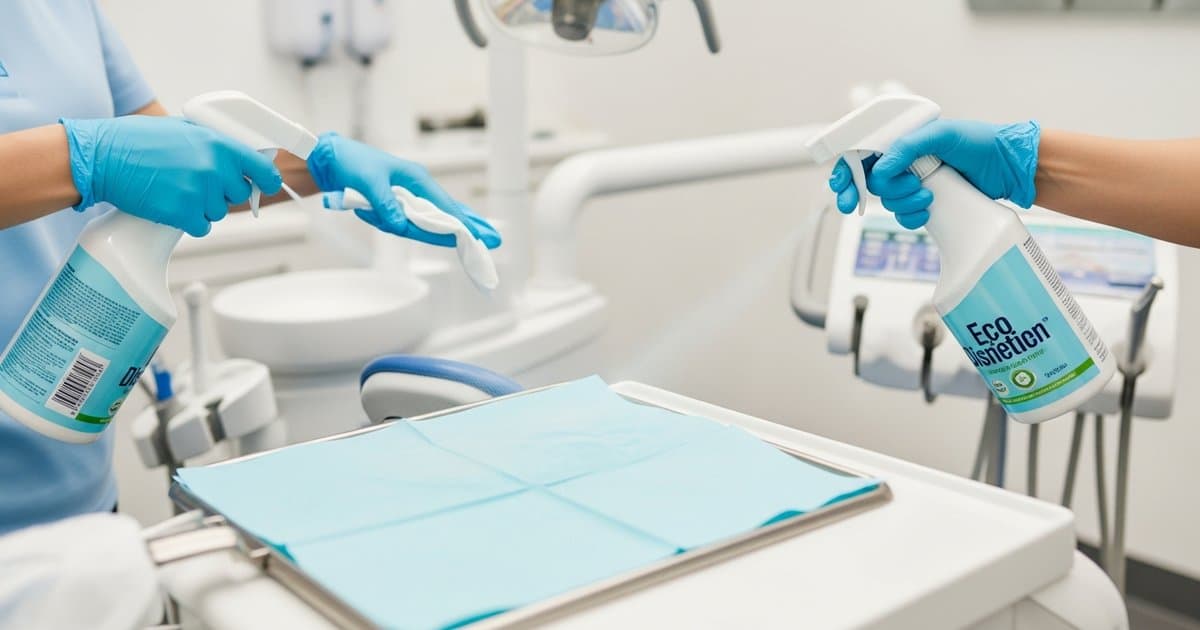
In today's healthcare environment, pediatric dental practices face the dual challenge of maintaining the highest standards of infection control while being mindful of environmental impact and patient safety. Children are particularly sensitive to harsh chemicals, making the selection of disinfection products even more critical. Green disinfection offers a promising solution, combining EPA-approved efficacy with environmentally conscious formulations that reduce exposure to volatile organic compounds (VOCs) and other potentially harmful substances. This comprehensive guide will help pediatric dental practice owners navigate the world of eco-friendly disinfectants without compromising on safety or effectiveness.
Understanding Green Disinfection Standards and EPA Requirements
The Environmental Protection Agency (EPA) maintains strict standards for all disinfectants used in healthcare settings, including those marketed as "green" or eco-friendly. For pediatric dental offices, these products must meet List N criteria for effectiveness against enveloped viruses, bacteria, and fungi while also satisfying additional environmental criteria.
Green disinfectants typically earn recognition through the EPA's Safer Choice program, which identifies products with ingredients that are safer for human health and the environment. These products undergo rigorous testing to ensure they perform as effectively as traditional disinfectants while containing fewer hazardous ingredients.
For pediatric practices, the key regulatory considerations include compliance with CDC guidelines for dental settings, OSHA bloodborne pathogen standards, and state dental board requirements. Green disinfectants that meet these standards often feature plant-based active ingredients, biodegradable formulations, and reduced packaging waste.
When evaluating green disinfectants, look for products that display both EPA registration numbers and third-party certifications such as Green Seal or EcoLogo. These certifications provide additional assurance that the products meet stringent environmental and health criteria beyond basic EPA requirements.
The contact time—the duration a surface must remain wet with disinfectant to achieve claimed kill rates—remains crucial regardless of whether you choose conventional or green products. Many modern eco-friendly disinfectants offer contact times comparable to traditional options, typically ranging from 30 seconds to 4 minutes depending on the target pathogens.
Top Eco-Friendly Disinfectant Categories for Pediatric Dental Practices
Hydrogen Peroxide-Based Disinfectants
Hydrogen peroxide-based products represent one of the most effective green disinfection categories for pediatric dental offices. These solutions break down into water and oxygen, leaving no toxic residues that could affect young patients. Products like Oxivir TB and similar formulations offer broad-spectrum efficacy with minimal environmental impact.
The advantages of hydrogen peroxide-based disinfectants include excellent material compatibility with dental equipment, no mixing required, and rapid kill times against bacteria, viruses, and fungi. For pediatric practices, these products are particularly valuable because they don't produce strong odors that might distress young patients.
Citric Acid and Plant-Based Formulations
Citric acid-based disinfectants leverage naturally occurring acids to achieve antimicrobial efficacy. These products often combine citric acid with other plant-derived ingredients to create effective cleaning and disinfecting solutions. Brands like Benefect and similar eco-friendly options utilize thyme oil and other botanical extracts as active ingredients.
These formulations are especially appropriate for pediatric settings because they typically have pleasant, mild scents and don't contain harsh synthetic chemicals. However, practices should verify that these products meet all necessary EPA requirements for dental healthcare settings, as some botanical-based products may have longer contact times.
Alcohol-Based Eco-Friendly Options
While traditional isopropyl alcohol remains effective, several manufacturers now offer alcohol-based disinfectants with improved environmental profiles. These products often feature ethanol derived from sustainable sources and include biodegradable surfactants and conditioning agents.
For pediatric practices, alcohol-based green disinfectants offer the advantage of rapid evaporation and familiar efficacy profiles. They work particularly well for quick surface disinfection between patients and don't leave residues that could concern parents of sensitive children.
Implementation Strategies for Green Disinfection Programs
Staff Training and Protocol Development
Successful implementation of green disinfection programs begins with comprehensive staff training. Team members need to understand that eco-friendly doesn't mean less effective, but it may mean different application procedures or contact times. Develop clear protocols that specify which green products to use for different surfaces and situations.
Create laminated reference cards showing proper dilution ratios (if applicable), contact times, and surface compatibility for each green disinfectant in your practice. This ensures consistent application and maximizes product effectiveness while maintaining your commitment to environmental responsibility.
Consider designating a "green champion" among your staff—someone who takes special interest in environmental initiatives and can help reinforce proper techniques and answer questions from other team members.
Surface Compatibility and Material Safety
Green disinfectants generally offer excellent material compatibility, but proper testing remains essential. Before full implementation, test new products on inconspicuous areas of equipment and furniture to ensure they don't cause discoloration, degradation, or other damage.
Pay particular attention to pediatric-specific equipment such as colorful chairs, toys, and decorative elements that might react differently to new cleaning products. Many eco-friendly disinfectants are actually gentler on surfaces than traditional products, potentially extending the life of your equipment and reducing replacement costs.
For detailed guidance on evaluating surface compatibility and managing chemical safety documentation, refer to our comprehensive Chemical Safety and SDS Management for Dental Offices guide, which covers proper procedures for introducing new products into your practice.
Integration with Existing Protocols
Rather than completely overhauling your disinfection procedures, consider a gradual transition to green products. Start with non-critical surfaces and waiting areas where the risk is lower, then expand to treatment rooms as your team becomes comfortable with the new products.
Maintain detailed records of your green disinfection program, including product usage, staff feedback, and any observed changes in cleanliness or patient satisfaction. This documentation will prove valuable for regulatory inspections and can help optimize your program over time.
Cost-Benefit Analysis and Budget Considerations
Initial Investment vs. Long-Term Savings
Green disinfectants often carry higher upfront costs compared to conventional products, but they frequently deliver long-term savings through multiple mechanisms. Reduced equipment wear, lower disposal costs, improved staff satisfaction, and potential marketing advantages can offset initial price differences.
Many eco-friendly disinfectants come in concentrated formulations that require dilution, effectively reducing the cost per use. Calculate costs based on actual usage rather than product purchase price to get an accurate comparison with your current products.
Consider the potential reduction in workers' compensation claims and sick days that may result from using products with fewer harsh chemicals. While these benefits can be difficult to quantify immediately, they contribute to overall practice profitability over time.
Marketing and Practice Differentiation
Environmental responsibility increasingly resonates with parents when choosing healthcare providers for their children. Prominently featuring your green disinfection program in marketing materials and patient communications can help differentiate your practice from competitors.
Consider creating patient education materials that explain your environmental initiatives and how they benefit both children's health and the broader community. Many parents appreciate knowing that their children's dental care doesn't compromise environmental values.
Product Sourcing and Supply Chain Considerations
Green disinfectants may have different supply chains than conventional products, potentially affecting availability and ordering schedules. Work with suppliers who specialize in eco-friendly healthcare products to ensure consistent availability of your chosen products.
For comprehensive information on evaluating different disinfectant options and their relative costs and benefits, consult our detailed Surface Disinfectants for Dental Offices: A Comparison Guide, which provides side-by-side comparisons of various product categories including eco-friendly options.
How TGP Can Help
The Dental Group Practice (TGP) understands the unique challenges pediatric dental practices face when transitioning to green disinfection programs. As a leading group purchasing organization, TGP leverages the collective buying power of hundreds of dental practices to negotiate significant savings on eco-friendly disinfection products and supplies.
TGP members typically save 20-30% on green disinfectants compared to individual practice purchasing, making the transition to environmentally conscious products more financially feasible. Our procurement specialists work directly with manufacturers of EPA-approved eco-friendly disinfectants to secure volume discounts that individual practices cannot achieve on their own.
Beyond cost savings, TGP provides valuable support services including product evaluation assistance, implementation guidance, and ongoing technical support. Our team helps practices identify the most appropriate green disinfection products for their specific needs and patient populations, ensuring you make informed decisions that balance environmental responsibility with clinical effectiveness.
TGP's quarterly product reviews include comprehensive evaluations of new green disinfection products entering the market, helping member practices stay current with the latest innovations in eco-friendly infection control. We also provide access to continuing education resources and training materials to help your staff successfully implement and maintain green disinfection protocols.
Key Takeaways
• Green disinfectants can meet all EPA and CDC requirements for dental healthcare settings while reducing environmental impact and chemical exposure for pediatric patients
• Hydrogen peroxide-based and plant-derived disinfectants offer excellent options for pediatric dental practices seeking eco-friendly alternatives
• Proper staff training and gradual implementation ensure successful transition to green disinfection programs without compromising safety or efficacy
• While initial costs may be higher, green disinfectants often provide long-term savings through reduced equipment wear, lower disposal costs, and improved staff satisfaction
• Environmental responsibility can serve as a valuable marketing differentiator for pediatric dental practices
• Group purchasing through organizations like TGP can reduce green disinfectant costs by 20-30% while providing implementation support and ongoing education
• Material compatibility testing remains essential when introducing any new disinfection products, regardless of their environmental profile
• Documentation of green disinfection programs helps with regulatory compliance and program optimization over time
Frequently Asked Questions
Are green disinfectants as effective as traditional products against dental pathogens?
Yes, properly EPA-registered green disinfectants must demonstrate the same level of efficacy against bacteria, viruses, and fungi as traditional products. The EPA requires identical testing standards regardless of whether a product is marketed as eco-friendly. However, contact times and application procedures may differ, so it's essential to follow manufacturer instructions precisely. Many modern green disinfectants actually offer superior material compatibility and reduced corrosion compared to harsh traditional chemicals, potentially extending equipment life while maintaining excellent antimicrobial performance.
How do I know if a green disinfectant is appropriate for my pediatric dental practice?
Look for products that carry EPA registration numbers and are specifically approved for healthcare settings. Check that the product appears on EPA List N for effectiveness against relevant pathogens and verify it meets any state-specific requirements for dental practices. For pediatric settings, also consider factors like odor, potential for skin irritation, and compatibility with colorful equipment and toys commonly found in children's dental offices. Products certified by third-party organizations like Green Seal or carrying the EPA Safer Choice label provide additional assurance of environmental and health benefits.
What should I do if my current supplier doesn't carry eco-friendly disinfection products?
Consider expanding your supplier network to include vendors specializing in green healthcare products, or work with your current supplier to request eco-friendly options. Many traditional dental supply companies now carry green product lines due to increasing demand. Group purchasing organizations like TGP can also help connect you with suppliers offering eco-friendly alternatives at competitive prices. When evaluating new suppliers, ensure they can provide consistent availability, proper shipping and storage, and technical support for the green products you're considering.