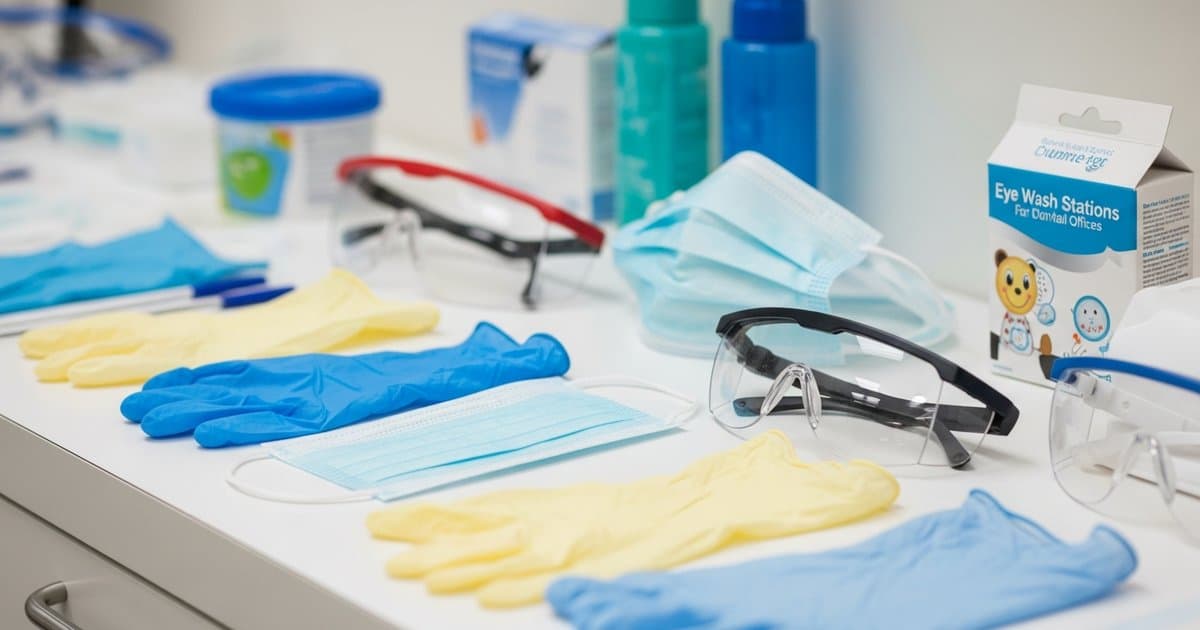
Creating a safe environment for young patients and staff is paramount in pediatric dental practice management. While most dental professionals understand the importance of infection control and basic safety protocols, many overlook critical OSHA requirements for emergency eye wash stations and comprehensive first aid supplies. These safety measures become even more crucial in pediatric settings, where curious children and specialized procedures create unique workplace hazards that demand immediate response capabilities.
Understanding OSHA Eye Wash Station Requirements for Dental Offices
The Occupational Safety and Health Administration (OSHA) mandates specific eye wash station requirements under the Bloodborne Pathogens Standard and General Industry Standards. For dental practices, these requirements are triggered whenever staff members are exposed to corrosive chemicals, infectious materials, or other hazardous substances that could cause eye injury.
In pediatric dental offices, common triggers for eye wash station requirements include the use of disinfectants like glutaraldehyde, hydrogen peroxide solutions, sodium hypochlorite (bleach), and various dental materials such as bonding agents and etching solutions. Additionally, the potential for blood or saliva exposure during procedures makes eye wash stations not just recommended, but legally required safety equipment.
OSHA specifies that eye wash stations must provide a controlled flow of flushing fluid to both eyes simultaneously at a volume of not less than 0.4 gallons per minute for 15 minutes. The water temperature must be tepid (between 60-100°F), and the activation mechanism should require no more than one second to operate with a single motion. Most importantly for busy dental practices, the eye wash station must be located within a 10-second walk from any hazardous work area, with an unobstructed path.
For pediatric practices, consider installing eye wash stations that are height-adjustable or provide step platforms, as staff members of varying heights may need emergency access. Wall-mounted units often work well in dental operatories, while combination eye wash and shower units may be more appropriate for sterilization areas where stronger chemicals are used.
When selecting an eye wash station, look for models that meet ANSI Z358.1 standards, which complement OSHA requirements. Popular options for dental offices include the Haws 7501 wall-mounted eye wash station for operatory areas and the Bradley S19-921 combination unit for larger treatment or sterilization rooms.
Essential First Aid Supplies for Pediatric Dental Practices
Beyond basic bandages and antiseptic wipes, pediatric dental offices require specialized first aid supplies that address both common childhood accidents and dental-specific emergencies. OSHA's First Aid standard requires employers to ensure that adequate first aid supplies are readily available, and in medical settings like dental practices, these requirements become more stringent.
Your first aid kit should include standard supplies such as various sizes of sterile gauze pads, medical tape, bandages, disposable gloves, scissors, tweezers, and instant cold compresses. However, pediatric practices benefit from additional specialized supplies including smaller bandage sizes for children, colorful or character-themed bandages to reduce anxiety, pediatric-appropriate pain relievers (with proper labeling for parent administration), and emergency contact forms specifically designed for minors.
Dental-specific first aid supplies are equally important. Stock emergency dental trauma kits containing tooth preservation solution (like Hank's Balanced Salt Solution), temporary filling material, dental wax, and emergency medication protocols for common dental complications. Given that children are more prone to dental trauma from falls or sports injuries, having immediate access to these supplies can make the difference in saving a child's tooth.
Consider maintaining separate first aid stations in different areas of your practice: a comprehensive kit in the main treatment area, a basic kit at the reception desk for minor scrapes from playground accidents, and a specialized emergency kit in each operatory. This distributed approach ensures that help is always within reach, regardless of where an incident occurs.
Don't forget to include emergency medications appropriate for pediatric patients, such as epinephrine auto-injectors for severe allergic reactions (following proper medical protocols and staff training), antihistamines for mild allergic reactions, and glucose tablets for diabetic emergencies. Always maintain current emergency contact information for local emergency medical services, poison control centers, and pediatric emergency departments.
Implementing Emergency Response Protocols
Having the right equipment is only half the battle – your team needs clear, practiced protocols for emergency situations involving children. Pediatric emergencies often require different approaches than adult emergencies, as children may be less able to communicate their symptoms, more likely to panic, and require modified treatment approaches.
Develop written emergency response procedures that address common scenarios in pediatric dental practices. These should include protocols for eye exposures to chemicals or bodily fluids, allergic reactions, dental trauma, seizures, and choking incidents. Each protocol should specify staff roles, emergency contact procedures, and specific steps for different age groups, as a response appropriate for a teenager may not work for a preschooler.
Training is crucial for effective emergency response. Conduct regular drills that simulate real emergencies, including scenarios where children are present. Practice using eye wash stations while wearing the personal protective equipment your staff typically uses, as gloves and masks can affect dexterity and vision during emergency situations. Train staff on age-appropriate communication techniques for calming frightened children during emergencies.
Your emergency protocols should also address parent notification and involvement. Unlike adult patients who can consent to emergency treatment, pediatric emergencies require immediate parent contact and, in some cases, emergency medical services coordination. Develop template scripts for emergency calls to parents that convey necessary information without causing panic.
Documentation requirements for pediatric emergencies are typically more stringent than for adults. Ensure your protocols include proper incident reporting procedures, including OSHA injury logs when applicable, parent notification documentation, and follow-up care coordination. This documentation not only ensures compliance but also provides valuable information for preventing future incidents.
Consider integrating your emergency protocols with your overall practice management system. Some dental practice management software can store emergency contact information, medical alerts, and allergy information in easily accessible formats during crisis situations.
Maintenance and Compliance Monitoring
Eye wash stations and first aid supplies require regular maintenance and inspection to ensure they function properly when needed. OSHA doesn't specify exact maintenance schedules, but industry best practices and manufacturer recommendations provide clear guidelines that dental practices should follow diligently.
Eye wash stations should be activated weekly to flush the lines and ensure proper water flow and temperature. This weekly testing should be documented, noting the date, staff member performing the test, water temperature, flow rate, and any issues discovered. Replace eyewash solution in self-contained units according to manufacturer specifications, typically every three to six months, or immediately after any use.
First aid supplies require monthly inventory checks to ensure adequate stock levels and to replace expired medications or supplies. Create a simple checklist system that tracks expiration dates, quantities, and condition of supplies. This is particularly important for pediatric practices, as you may use supplies more frequently for minor playground injuries or anxiety-related incidents.
Consider appointing a safety coordinator who takes responsibility for emergency equipment maintenance. This person should receive additional training on OSHA requirements, equipment maintenance procedures, and inventory management. Having a designated coordinator ensures consistency and accountability in your safety program.
Maintain detailed records of all maintenance activities, training sessions, and incident responses. OSHA may request these records during inspections, and they're valuable for identifying patterns or areas for improvement in your safety program. Digital record-keeping systems can automate many maintenance reminders and provide easily accessible documentation.
Don't overlook the importance of staying current with OSHA updates and industry best practices. Regulations can change, and new safety technologies become available regularly. Subscribe to OSHA updates, participate in dental practice safety webinars, and consider joining professional organizations that focus on dental practice safety and compliance.
For comprehensive guidance on maintaining OSHA compliance in your pediatric dental practice, including detailed checklists and maintenance schedules, refer to our complete OSHA Compliance Checklist for Dental Offices.
Integration with Comprehensive Emergency Preparedness
Eye wash stations and first aid supplies are just components of a comprehensive emergency preparedness strategy for pediatric dental practices. These safety measures should integrate seamlessly with your broader emergency preparedness plans, including medical emergencies, natural disasters, and security incidents.
Consider how your emergency eye wash and first aid protocols coordinate with other emergency systems in your practice. For example, if a child experiences a severe allergic reaction requiring both eye irrigation and emergency medication, your staff should know how to perform both interventions simultaneously while coordinating emergency medical services response.
Your emergency preparedness should also account for the unique challenges of pediatric practices during crisis situations. Children may become separated from parents during evacuations, may have difficulty following complex instructions during emergencies, and may require special assistance that affects your response times and staff allocation.
Coordinate with local emergency medical services to ensure they understand your practice specializes in pediatric care. Some EMS systems have pediatric specialists who can provide better care for dental emergencies involving children. Establishing these relationships before emergencies occur can significantly improve response quality when incidents happen.
Review and update your emergency supplies regularly based on changes in your practice, new procedures you offer, or lessons learned from drills and actual incidents. What worked for a smaller practice may not be adequate as you grow, and new pediatric dental techniques may introduce different safety requirements.
For a complete overview of emergency preparedness in pediatric dental practices, including coordination between different emergency systems and age-specific response strategies, see our detailed guide on Emergency Supplies Every Pediatric Dental Office Must Stock.
How TGP Can Help
Managing the costs of comprehensive safety equipment and emergency supplies while maintaining OSHA compliance can strain pediatric dental practice budgets. The Group Practice (TGP) addresses this challenge through our specialized group purchasing organization designed specifically for pediatric dental practices.
TGP's group purchasing power enables member practices to save 20-30% on essential safety equipment, including OSHA-compliant eye wash stations, first aid supplies, emergency medications, and maintenance supplies. Our purchasing specialists understand the unique requirements of pediatric dental practices and have negotiated preferred pricing with manufacturers of safety equipment specifically suited for environments serving children.
Beyond cost savings, TGP membership includes access to compliance expertise and ongoing support for maintaining OSHA requirements. Our team stays current with regulatory changes and can help you identify when new safety requirements affect your practice, ensuring you're always ahead of compliance deadlines rather than scrambling to meet them.
TGP also provides group access to training resources, emergency preparedness consultations, and peer networking opportunities with other pediatric dental practices. Learning from the experiences of similar practices can help you identify potential safety improvements and cost-effective solutions you might not discover on your own.
Our streamlined ordering system makes it easy to maintain adequate inventory levels of emergency supplies while taking advantage of bulk purchasing discounts. Automated reorder reminders help ensure you never run low on critical safety supplies, and our preferred vendor relationships mean faster delivery times when you need emergency replacements.
Key Takeaways
• OSHA requires eye wash stations in dental practices where staff may be exposed to hazardous chemicals or infectious materials, with specific requirements for flow rate, temperature, and accessibility
• Pediatric dental practices need specialized first aid supplies that address both childhood accidents and dental emergencies, including age-appropriate supplies and medications
• Emergency response protocols must account for the unique challenges of treating children, including communication difficulties, parent notification requirements, and age-specific treatment approaches
• Regular maintenance and inspection of emergency equipment is essential for OSHA compliance and emergency readiness, requiring documented weekly testing and monthly inventory checks
• Eye wash stations must be located within 10 seconds of hazardous work areas and provide 15 minutes of continuous flushing capability at appropriate temperature and flow rates
• Staff training should include hands-on practice with emergency equipment while wearing typical PPE, as real emergency conditions may impair normal dexterity and vision
• Documentation requirements for pediatric emergencies are often more stringent than for adults, requiring detailed incident reports and parent notification records
• Emergency preparedness should integrate eye wash and first aid protocols with broader practice emergency plans, including coordination with local emergency medical services
Frequently Asked Questions
Do all pediatric dental practices need eye wash stations, or only those using certain chemicals?
Any pediatric dental practice where staff members may be exposed to hazardous chemicals, blood, or other potentially infectious materials requires eye wash stations under OSHA regulations. This includes virtually all dental practices, as common materials like disinfectants, bonding agents, etching solutions, and exposure to patient bodily fluids trigger these requirements. The key determining factor isn't the specific chemicals used, but rather the potential for eye exposure to any hazardous substance. Even practices that primarily focus on preventive care typically use disinfectants and may encounter emergency situations involving dental trauma, making eye wash stations a practical necessity for comprehensive safety compliance.
How often should we replace first aid supplies, and what's the best way to track expiration dates?
First aid supplies should be inspected monthly, with expired items replaced immediately and used supplies restocked promptly. Create a simple tracking system using spreadsheets or practice management software that lists each item, its expiration date, and quantity on hand. Many practices find success with color-coded labeling systems where supplies expiring within six months receive colored dots for easy visual identification during monthly checks. For medications and specialized supplies, consider rotating stock using a first-in-first-out system. Additionally, some automated inventory management systems can send alerts when supplies are approaching expiration or running low, helping ensure you never find yourself without critical emergency supplies when they're needed most.
What specific training should our staff receive for pediatric emergency situations involving eye wash stations?
Staff training should include hands-on practice with eye wash station operation while wearing typical PPE, as emergency conditions often impair normal dexterity. Training must cover age-appropriate communication techniques for calming frightened children during eye irrigation, proper positioning assistance for children who may be too short or panicked to use equipment effectively, and coordination protocols for simultaneous parent notification and emergency care. Practice scenarios should include common pediatric dental emergencies such as chemical splashes during treatment, blood exposure incidents, and allergic reactions affecting the eyes. Staff should also understand documentation requirements specific to pediatric emergencies, including incident reporting procedures and parent communication protocols. Regular refresher training every six months helps maintain proficiency and confidence in emergency response procedures.