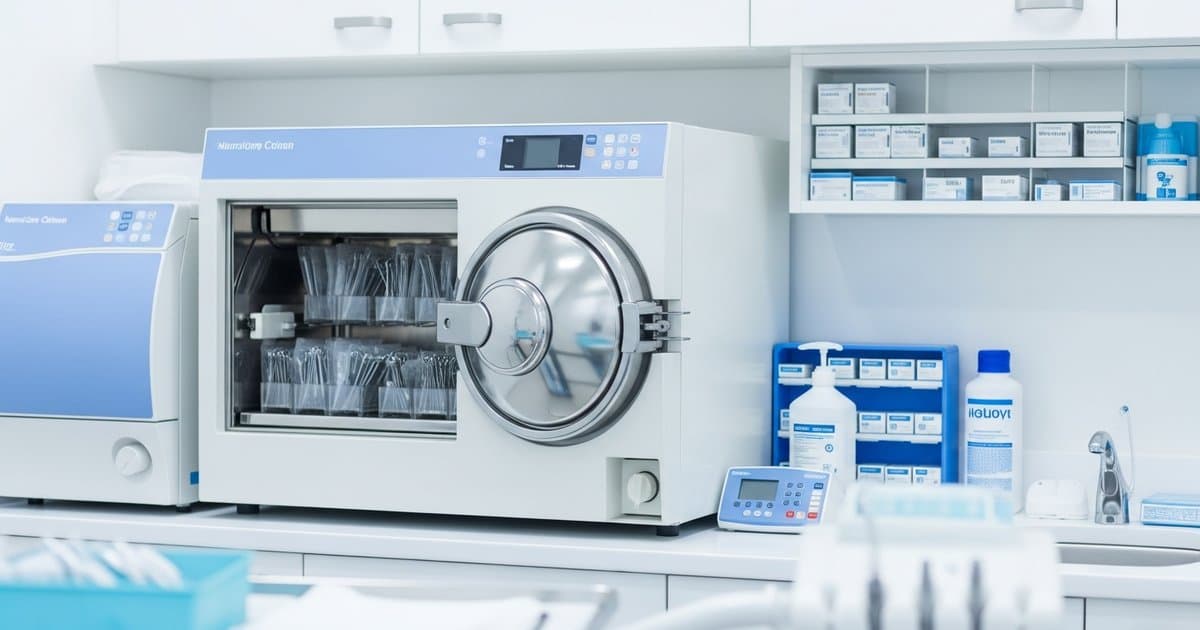
In pediatric dental practices, maintaining a properly functioning evacuation system is critical not only for patient comfort but also for effective infection control. Young patients are particularly susceptible to cross-contamination, making rigorous maintenance of dental evacuation systems essential for protecting their health and ensuring regulatory compliance. A well-maintained evacuation system prevents the buildup of bacteria, viruses, and other pathogens while ensuring optimal suction performance during procedures. This comprehensive guide will walk you through the essential aspects of evacuation system maintenance, from cleaning traps and maintaining lines to selecting the right cleaners for your pediatric practice's infection prevention protocols.
Understanding Your Dental Evacuation System Components
Before diving into maintenance procedures, it's crucial to understand the key components of your dental evacuation system and how they work together to maintain a clean, efficient operation. Your evacuation system consists of several interconnected parts that require regular attention to function optimally.
The central vacuum unit serves as the heart of your system, creating the suction necessary for effective saliva ejection and debris removal during procedures. This unit typically includes a motor, separator tank, and filtration system. In pediatric practices, the vacuum unit must be sized appropriately to handle the unique challenges of treating children, including managing smaller debris and accommodating various suction tip sizes.
Evacuation lines carry contaminated fluids and debris from the operatory to the central collection point. These lines are particularly susceptible to biofilm formation, especially in pediatric practices where sugary residues from children's mouths can create ideal breeding conditions for bacteria. The lines must be regularly cleaned and maintained to prevent blockages and contamination.
Traps and separators capture solid debris before it reaches the vacuum unit, protecting the system from damage while preventing cross-contamination between operatories. In pediatric dentistry, these traps often collect unique debris such as small toy parts, broken primary teeth, and various orthodontic materials that require special attention during cleaning.
High-volume evacuators (HVE) and saliva ejectors connect directly to patients and represent the first line of defense against contamination. These components require frequent replacement and careful handling, particularly when treating children who may bite down on evacuators or cause damage through sudden movements.
For optimal performance in pediatric settings, consider systems specifically designed for children's dental care. Our comprehensive guide on Suction Systems for Pediatric Dentistry provides detailed information on selecting and optimizing evacuation systems for young patients.
Daily Trap Cleaning and Maintenance Procedures
Establishing a robust daily cleaning routine for your evacuation system traps is fundamental to preventing contamination and maintaining system efficiency. These procedures should be performed at the end of each clinical day, with additional cleaning as needed based on patient volume and procedure types.
Begin by shutting down the evacuation system and ensuring all suction has ceased. Remove traps carefully, wearing appropriate personal protective equipment including gloves, masks, and eye protection. In pediatric practices, traps may contain unexpected items that children have placed in their mouths, so extra caution is warranted during removal.
Empty solid debris from traps into appropriate waste containers, taking care to sort any amalgam or other hazardous materials according to your practice's waste management protocols. Pediatric practices should be particularly vigilant about disposing of small objects that could pose choking hazards if not properly contained.
Rinse traps thoroughly with warm water to remove loose debris and organic matter. For stubborn residues common in pediatric dentistry, such as sticky candy remnants or hardened fluoride treatments, use a soft brush to gently scrub trap surfaces. Avoid abrasive materials that could damage trap components or create surface irregularities where bacteria can accumulate.
Apply an appropriate evacuation system cleaner to all trap surfaces, ensuring complete coverage. Products like Crosstex Evacuation System Cleaner or Palmero Evacuation Line Cleaner are specifically formulated to break down biofilms and organic deposits common in dental evacuation systems. Allow the cleaner to contact surfaces for the manufacturer's recommended dwell time, typically 1-5 minutes.
Rinse traps thoroughly with clean water and inspect for any remaining debris or buildup. Pay special attention to small crevices and connection points where biofilms commonly form. In pediatric practices, also check for any damage that might have occurred from children biting evacuation tips or from the unique stresses of treating young patients.
Before reinstalling traps, ensure they are completely dry or use sterile water for final rinsing if immediate installation is necessary. Proper installation is critical to maintain system integrity and prevent air leaks that can compromise suction performance during procedures.
Deep Cleaning and Line Maintenance Protocols
While daily trap maintenance is essential, comprehensive line cleaning and maintenance must be performed regularly to ensure long-term system health and infection control. The frequency of deep cleaning depends on patient volume, types of procedures performed, and manufacturer recommendations, but most pediatric practices benefit from weekly deep cleaning protocols.
Deep cleaning begins with a complete system flush using specialized evacuation line cleaners. Products like Biotrol Evacuation System Cleaner or Metasys Evacuation Line Treatment are designed to penetrate biofilms and remove accumulated organic matter from line interiors. These cleaners are particularly important in pediatric practices where sweet residues and unique debris can create challenging cleaning situations.
Start the deep cleaning process by preparing cleaner solutions according to manufacturer specifications. Most cleaners require specific dilution ratios to achieve optimal effectiveness while preventing damage to system components. Use only distilled or sterile water for dilution to avoid introducing additional contaminants into the system.
Connect the cleaning solution to your evacuation system using the manufacturer's recommended method, typically through dedicated cleaning ports or by introducing solution through individual operatory connections. Run the solution through all lines systematically, ensuring each evacuation point receives adequate treatment time and solution volume.
During the cleaning cycle, monitor system pressure and flow rates to identify any restrictions or blockages that may require additional attention. In pediatric practices, small objects or hardened debris may create partial blockages that aren't immediately apparent during normal operation but can compromise system efficiency over time.
After the initial cleaning cycle, flush all lines thoroughly with clean water to remove cleaning solution residues. Some systems benefit from alternating between cleaning solutions and water flushes to ensure complete removal of both organic matter and cleaning chemicals.
Consider implementing enzymatic cleaners for particularly challenging organic deposits. Products containing protease and lipase enzymes are especially effective at breaking down protein and fat deposits that accumulate from saliva and blood during dental procedures. These cleaners are particularly valuable in pediatric practices where dietary residues and unique oral environments create complex cleaning challenges.
For practices with persistent odor or biofilm issues, antimicrobial treatments may be necessary between regular cleaning cycles. Products like ProEdge Evacuation System Disinfectant provide ongoing antimicrobial protection while maintaining system cleanliness between major cleaning procedures.
Selecting the Right Evacuation System Cleaners
Choosing appropriate cleaners for your pediatric dental practice's evacuation system requires careful consideration of several factors, including cleaning effectiveness, material compatibility, safety profiles, and regulatory requirements. The unique environment of pediatric dentistry adds additional considerations that influence cleaner selection.
Enzymatic cleaners represent the gold standard for evacuation system maintenance due to their ability to break down complex organic deposits without damaging system components. Products like Ruhof Endozime or Metrex CaviCide are specifically formulated for dental applications and provide excellent cleaning performance while maintaining compatibility with common evacuation system materials.
When selecting cleaners for pediatric practices, prioritize products with proven safety profiles and minimal environmental impact. Children are more sensitive to chemical residues and odors, making it essential to choose cleaners that rinse completely and don't leave harmful residues in the evacuation system.
Consider the specific challenges your pediatric practice faces when evaluating cleaner options. Practices that frequently perform restorative procedures may require cleaners with enhanced capabilities for removing composite materials and bonding agents. Orthodontic-focused practices might need cleaners optimized for removing adhesive residues and wire fragments.
pH-balanced cleaners offer advantages in maintaining system component integrity while providing effective cleaning performance. Products with pH levels between 6 and 8 are generally safe for most evacuation system materials while still providing effective cleaning action against biofilms and organic deposits.
Antimicrobial cleaners provide additional infection control benefits but must be selected carefully to ensure compatibility with your practice's overall infection control protocols. Products containing quaternary ammonium compounds or hydrogen peroxide-based formulations offer excellent antimicrobial activity while maintaining material compatibility.
For practices seeking environmentally responsible options, consider biodegradable cleaners with reduced environmental impact. Products like Biotrol Green Solutions or EcoLogic Evacuation System Cleaner provide effective cleaning performance while supporting sustainability goals.
Multi-purpose cleaners that can address both evacuation systems and waterlines offer operational efficiency benefits for busy pediatric practices. Our detailed guide on Dental Waterline Management: Testing and Treatment provides comprehensive information on products and protocols that complement evacuation system maintenance.
Infection Control Integration and Compliance Considerations
Integrating evacuation system maintenance into your practice's comprehensive infection control program is essential for regulatory compliance and patient safety. Pediatric practices face unique challenges in infection control due to the vulnerability of young patients and the specific requirements of treating children.
Develop written protocols that clearly define evacuation system maintenance responsibilities, frequencies, and documentation requirements. These protocols should align with current CDC guidelines, state regulatory requirements, and accreditation standards from organizations like the American Academy of Pediatric Dentistry.
Staff training is critical to successful implementation of evacuation system maintenance protocols. Ensure all team members understand proper cleaning procedures, safety requirements, and documentation needs. Regular training updates keep staff current with evolving best practices and regulatory requirements.
Documentation requirements for evacuation system maintenance typically include cleaning logs, product usage records, and any maintenance issues or repairs. Maintain detailed records that demonstrate compliance with regulatory requirements and support quality assurance efforts.
Personal protective equipment requirements for evacuation system maintenance include appropriate gloves, masks, eye protection, and protective clothing. Staff performing maintenance procedures should be trained in proper PPE use and disposal to prevent occupational exposure to contaminants.
Consider implementing regular system performance monitoring to identify potential issues before they compromise patient care or safety. Simple tests like suction flow measurements and visual inspections can detect problems early and prevent more serious complications.
Quality assurance programs should include regular audits of evacuation system maintenance procedures and outcomes. These audits help identify improvement opportunities and ensure consistent compliance with established protocols.
How TGP Can Help
The Green Practice (TGP) understands the unique challenges pediatric dental practices face in maintaining proper evacuation system hygiene while managing costs effectively. As a specialized group purchasing organization serving pediatric dental practices nationwide, TGP leverages collective buying power to help member practices save 20-30% on essential evacuation system maintenance supplies.
Through TGP's comprehensive supply program, pediatric practices gain access to preferred pricing on top-quality evacuation system cleaners from leading manufacturers like Crosstex, Biotrol, and Ruhof. This includes enzymatic cleaners, antimicrobial solutions, and specialized products designed specifically for dental evacuation systems.
TGP members benefit from streamlined ordering processes and consolidated shipping that reduce administrative burden while ensuring consistent supply availability. The organization's relationships with manufacturers provide access to technical support, training resources, and product updates that help practices maintain optimal evacuation system performance.
Beyond cost savings, TGP provides valuable resources including best practice guidelines, compliance support, and peer networking opportunities that help pediatric practices excel in infection control and system maintenance. Member practices receive regular updates on new products, regulatory changes, and innovative maintenance techniques that improve patient safety while reducing operational costs.
TGP's commitment to pediatric dental excellence extends to providing specialized guidance on integrating evacuation system maintenance with comprehensive infection control programs. This includes access to expert consultations, implementation support, and ongoing assistance that ensures practices maintain the highest standards of patient care while optimizing operational efficiency.
Key Takeaways
• Daily trap cleaning and maintenance are essential for preventing contamination and maintaining system efficiency in pediatric dental practices
• Deep cleaning protocols should be implemented weekly or based on manufacturer recommendations, with special attention to the unique debris and residues common in pediatric dentistry
• Enzymatic cleaners provide superior cleaning performance while maintaining compatibility with evacuation system components
• pH-balanced products between 6-8 offer optimal cleaning effectiveness while protecting system materials
• Proper staff training and documentation are critical for regulatory compliance and quality assurance
• Personal protective equipment must be used consistently during all maintenance procedures
• Integration with comprehensive infection control programs ensures optimal patient safety and regulatory compliance
• Environmental considerations should influence cleaner selection, particularly in practices serving environmentally conscious families
• Regular system monitoring and quality assurance audits help identify issues before they compromise patient care
• Group purchasing through organizations like TGP can provide significant cost savings on essential maintenance supplies
FAQ
How often should evacuation system traps be cleaned in a busy pediatric practice?
Evacuation system traps should be cleaned daily in any active dental practice, with additional cleaning as needed based on patient volume and procedure types. Busy pediatric practices may require more frequent trap cleaning due to the unique debris and residues associated with treating children. Practices performing more than 15-20 procedures per day should consider mid-day trap inspections and cleaning if significant debris accumulation is observed. Additionally, traps should be cleaned immediately after procedures involving heavy bleeding, extensive restorative work, or any situation where unusual debris may have been introduced to the system.
What are the most common mistakes practices make when maintaining evacuation systems?
The most frequent mistakes include inadequate cleaning solution contact time, using inappropriate cleaning products, failing to rinse thoroughly after cleaning, and neglecting to document maintenance activities properly. Many practices also underestimate the importance of proper personal protective equipment during maintenance procedures. In pediatric practices specifically, common errors include failing to check for and remove small objects that children may have placed in their mouths, not adjusting cleaning frequencies for the unique challenges of pediatric dentistry, and using adult-focused maintenance protocols without considering the specific needs of treating young patients.
How can I tell if my evacuation system cleaner is working effectively?
Effective evacuation system cleaning should result in improved suction performance, elimination of odors, clear visual inspection results, and absence of visible biofilms or debris in traps and accessible line sections. You can monitor effectiveness through regular flow rate measurements, visual inspections of cleaned components, and tracking of any recurring blockages or performance issues. Additionally, microbiological testing can provide objective evidence of cleaning effectiveness, though this is typically reserved for practices with specific contamination concerns or regulatory requirements. If you notice persistent odors, recurring blockages, or visible biofilm formation despite regular cleaning, it may indicate the need for a different cleaning product or more frequent maintenance procedures.