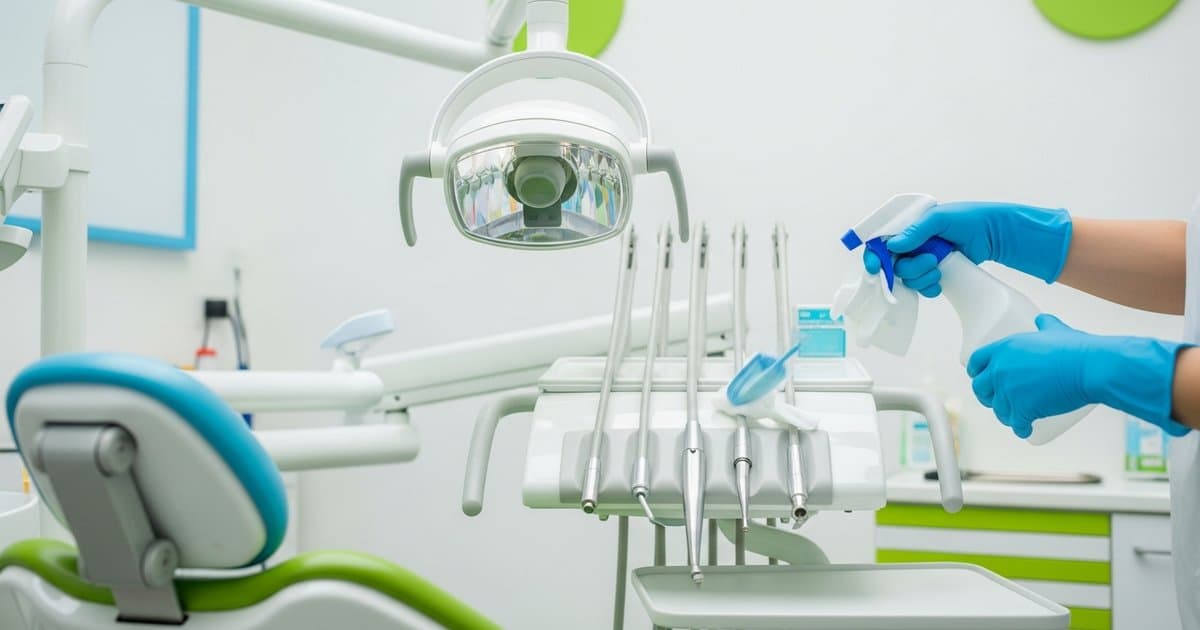
Maintaining the highest standards of disinfection in pediatric dental practices is crucial for protecting young patients who may have developing immune systems and unique vulnerabilities to healthcare-associated infections. The dental unit—comprising the chair, light, and delivery system—serves as the central hub of patient care and requires meticulous attention to disinfection protocols. Unlike adult practices, pediatric environments must account for children's tendency to touch surfaces, their often unpredictable behavior during procedures, and parents' heightened concerns about cleanliness and safety. This comprehensive guide will walk you through evidence-based disinfection techniques specifically tailored for pediatric dental units, ensuring your practice maintains optimal safety standards while creating a welcoming environment for your youngest patients.
Understanding Contamination Risks in Pediatric Dental Units
Dental units present multiple opportunities for cross-contamination, particularly in pediatric settings where patients may be less cooperative or more likely to come into contact with various surfaces. The complexity of dental equipment, with its numerous crevices, joints, and hard-to-reach areas, creates ideal environments for microbial accumulation.
In pediatric practices, contamination risks are amplified by several factors. Children often require longer appointment times, increasing exposure duration to potentially contaminated surfaces. They may also struggle with saliva control, leading to increased aerosol production and surface contamination. Additionally, the emotional stress of dental visits can cause children to touch their faces and then contact chair arms, headrests, or other surfaces.
The dental chair presents the highest risk area, as it comes into direct contact with patients and body fluids. The chair's upholstery, adjustment controls, and headrest are frequent contamination sites. Dental lights, while not in direct patient contact, are regularly adjusted by practitioners whose gloves may be contaminated, making them significant vectors for cross-contamination. The delivery system, including handpiece connections, air-water syringes, and suction devices, presents complex disinfection challenges due to internal waterlines and intricate mechanical components.
Research indicates that biofilm formation can occur rapidly on dental unit surfaces, particularly in areas exposed to dental unit waterlines. These biofilms can harbor pathogenic microorganisms including Legionella, Pseudomonas, and various opportunistic pathogens that pose particular risks to pediatric patients with compromised immune systems.
Chair Disinfection Protocols and Best Practices
The dental chair requires the most comprehensive disinfection protocol due to its extensive patient contact. Begin by removing any disposable barriers used during the previous patient, such as plastic covers or paper protectors. Exercise caution during removal to prevent contamination of underlying surfaces.
For fabric upholstery, which is common in pediatric chairs due to comfort considerations, use EPA-registered disinfectants specifically approved for porous surfaces. Products containing quaternary ammonium compounds or hydrogen peroxide are particularly effective. Apply the disinfectant liberally, ensuring complete saturation of the fabric. Pay special attention to seams, crevices, and areas where bodily fluids might penetrate. Allow the recommended contact time—typically 2-10 minutes depending on the product—before wiping with a clean cloth.
Vinyl and leather chairs, while easier to disinfect, still require careful attention. These surfaces should be cleaned first with a detergent solution to remove visible debris and bioburden, followed by disinfection with an appropriate EPA-registered product. Avoid alcohol-based disinfectants on vinyl surfaces, as they can cause cracking and create harboring sites for microorganisms.
The chair's mechanical components, including adjustment controls, foot controls, and armrests, require special attention in pediatric practices where small hands frequently grasp these surfaces. Use disinfectant wipes or spray applications, ensuring all surfaces are thoroughly wetted. For electronic controls, use products specifically approved for electronic equipment to prevent damage.
Headrests and chin rests deserve particular attention as they come into direct contact with patients' skin and hair. These areas should be cleaned with detergent first, then disinfected with intermediate-level disinfectants. Consider using disposable headrest covers for additional protection, particularly for patients with known infectious conditions.
For more detailed information about selecting appropriate products, refer to our comprehensive Surface Disinfectants for Dental Offices: A Comparison Guide.
Light and Overhead Equipment Disinfection
Dental lights present unique disinfection challenges due to their frequent adjustment during procedures and their positioning over the patient's oral cavity. Light handles are among the most frequently touched surfaces in the operatory and require meticulous disinfection protocols.
Start by ensuring the light is turned off and allowed to cool to prevent disinfectant evaporation and potential damage to sensitive components. Remove any disposable light handle covers or barriers used during the previous patient. Clean the light housing, arms, and handles with a detergent solution to remove visible contamination and reduce bioburden.
Apply an EPA-registered intermediate-level disinfectant to all surfaces of the light assembly. Pay particular attention to joints, adjustment knobs, and any textured surfaces where microorganisms might harbor. The light handles require thorough disinfection as they're frequently adjusted during procedures with contaminated gloves. Use disinfectant wipes or spray applications, ensuring complete coverage and appropriate contact time.
LED lights have become standard in modern pediatric practices due to their cool operation and bright, natural light. These systems typically have fewer heat-related concerns during disinfection, but their electronic components still require careful product selection. Avoid excessive moisture around electrical connections and control panels.
Overhead monitors and entertainment systems, increasingly common in pediatric practices, require special consideration. These devices should be cleaned with electronics-safe disinfectants and microfiber cloths to prevent screen damage. Consider using clear protective films that can be replaced between patients for high-touch screens.
Light switches and environmental controls throughout the operatory should be included in the disinfection protocol. These surfaces are frequently touched but often overlooked during routine disinfection procedures.
Delivery System and Instrument Management
The dental delivery system encompasses the most complex disinfection challenges due to its multiple components, waterlines, and intricate mechanical systems. Proper disinfection of these systems is crucial for preventing cross-contamination and maintaining waterline quality.
Begin with the high-speed and low-speed handpiece connections. Remove handpieces and flush connection points according to manufacturer specifications. Many modern systems include automatic flush cycles, but manual flushing may be necessary for optimal disinfection. Use sterile water or appropriate disinfectant solutions as specified by the manufacturer.
Air-water syringes require careful disinfection of both external surfaces and internal waterlines. Flush the syringe with sterile water for at least 2-3 minutes between patients, allowing water to flow through both air and water lines. External surfaces should be cleaned and disinfected with appropriate intermediate-level disinfectants.
Suction systems present particular challenges in pediatric practices where saliva ejectors and high-volume evacuators may encounter blood, saliva, and debris. Flush suction lines with appropriate disinfectant solutions between patients. Some practices use enzymatic cleaners to help break down organic debris that might accumulate in suction lines.
The delivery unit housing and control surfaces require thorough cleaning and disinfection. These surfaces are frequently touched during procedures and can become contaminated with aerosols and direct contact. Use disinfectant wipes or spray applications, paying attention to control knobs, switches, and any textured surfaces.
Consider implementing a comprehensive Operatory Turnover: Disinfection Protocols and Supplies system to ensure consistency and thoroughness in your disinfection procedures.
Pediatric-Specific Considerations and Special Protocols
Pediatric dental practices face unique challenges that require modified disinfection protocols. Children's behavior, developmental stages, and physiological differences necessitate enhanced attention to certain aspects of unit disinfection.
Young patients often have unpredictable movements and may touch surfaces unexpectedly during procedures. This requires more frequent disinfection of surfaces that might not typically be considered high-risk in adult practices. Consider implementing barrier protection for surfaces that children might touch, such as chair arms, light switches, and cabinet handles within reach.
Children's respiratory systems are still developing, making them potentially more susceptible to airborne contaminants and chemical exposures. Select disinfectants with minimal volatile organic compounds (VOCs) and ensure adequate ventilation during disinfection procedures. Allow appropriate off-gassing time before the next patient, particularly for sensitive individuals.
The emotional aspect of pediatric dentistry also impacts disinfection protocols. Children may be more anxious about visible cleaning procedures, so consider timing disinfection activities to minimize patient anxiety. Some practices find success in explaining disinfection as "keeping the chair clean for the next friend" to help children understand the process positively.
Special needs pediatric patients may require extended disinfection protocols due to potential immunocompromised status or increased susceptibility to infections. Consult with parents and medical providers about any special precautions needed for individual patients.
Consider implementing color-coded disinfection supplies specifically for pediatric operatories to prevent cross-contamination with adult treatment areas if your practice serves both populations. This system can help ensure appropriate products are used consistently in pediatric areas.
How TGP Can Help
The Group Practice (TGP) understands the unique challenges pediatric dental practices face in maintaining high-quality disinfection standards while managing operational costs. As a specialized group purchasing organization, TGP leverages collective buying power to help pediatric practices save 20-30% on essential disinfection supplies and equipment.
Through TGP's partnerships with leading manufacturers of dental disinfectants, you gain access to premium products at significantly reduced prices. This includes EPA-registered surface disinfectants, enzymatic cleaners for suction systems, waterline treatment products, and specialized pediatric-safe cleaning solutions. The cost savings extend beyond just product pricing—TGP's bulk purchasing arrangements often include reduced shipping costs and simplified ordering processes.
TGP's procurement experts understand the specific needs of pediatric practices and can recommend product combinations that maximize both safety and cost-effectiveness. Whether you need gentle, low-VOC disinfectants for sensitive patients or heavy-duty cleaners for high-traffic areas, TGP's curated supplier network ensures access to appropriate solutions at optimal prices.
The organization also provides ongoing education and support to help practices implement best practices in disinfection protocols. This includes access to training materials, protocol templates, and regular updates on new products and techniques specifically relevant to pediatric dental care.
By partnering with TGP, pediatric practices can maintain the highest standards of patient safety while significantly reducing operational costs, allowing more resources to be directed toward patient care and practice growth.
Key Takeaways
• Pediatric dental units require enhanced disinfection protocols due to children's unique behaviors and susceptibilities
• Chair disinfection must account for different upholstery materials and increased patient contact in pediatric settings
• Dental lights and overhead equipment need careful disinfection with electronics-safe products while ensuring complete coverage of frequently touched surfaces
• Delivery systems require comprehensive protocols addressing both surface disinfection and waterline management
• Pediatric-specific considerations include selecting low-VOC products, implementing child-friendly barrier protection, and accommodating special needs patients
• Proper product selection and supplier partnerships can significantly reduce disinfection supply costs while maintaining safety standards
• Consistent protocols and staff training are essential for effective disinfection in busy pediatric practices
• Regular evaluation and updating of disinfection procedures ensure compliance with current guidelines and best practices
Frequently Asked Questions
How often should dental unit waterlines be treated in pediatric practices?
Dental unit waterlines in pediatric practices should be treated daily with appropriate disinfectant solutions, with weekly shock treatments using stronger antimicrobial products. Many experts recommend more frequent treatment in pediatric settings due to the vulnerability of young patients to waterborne pathogens. The exact frequency may vary based on your water source quality, patient volume, and specific manufacturer recommendations. Implement regular water quality testing—at least monthly—to ensure biofilm control and pathogen elimination. Consider installing point-of-use filters for additional protection, particularly for immunocompromised pediatric patients.
What's the difference between cleaning and disinfecting dental unit surfaces?
Cleaning involves the physical removal of visible debris, organic matter, and bioburden using detergents or enzymatic cleaners, while disinfecting involves the chemical destruction of pathogenic microorganisms using EPA-registered antimicrobial products. Both steps are essential—cleaning must precede disinfection because organic matter can inactivate disinfectants and protect microorganisms from antimicrobial action. In pediatric practices, this two-step process is particularly important because children may introduce more organic debris through food particles, toys, or increased saliva production. Effective disinfection cannot occur without proper cleaning, making this sequential approach non-negotiable for patient safety.
Are there specific disinfectants that are safer for pediatric environments?
Yes, several categories of disinfectants are particularly well-suited for pediatric environments. Hydrogen peroxide-based products offer excellent antimicrobial activity with minimal toxic residues and faster breakdown into harmless byproducts. Quaternary ammonium compounds (quats) provide effective disinfection with lower volatility and reduced respiratory irritation compared to some alternatives. Avoid phenolic compounds and formaldehyde-based products in pediatric areas due to potential respiratory and allergic reactions. Look for products with EPA's Design for Environment (DfE) certification, which indicates reduced environmental and health impacts. Always ensure adequate ventilation and appropriate contact times regardless of product selection, and consider scheduling sensitive patients when disinfectant off-gassing has had time to clear.