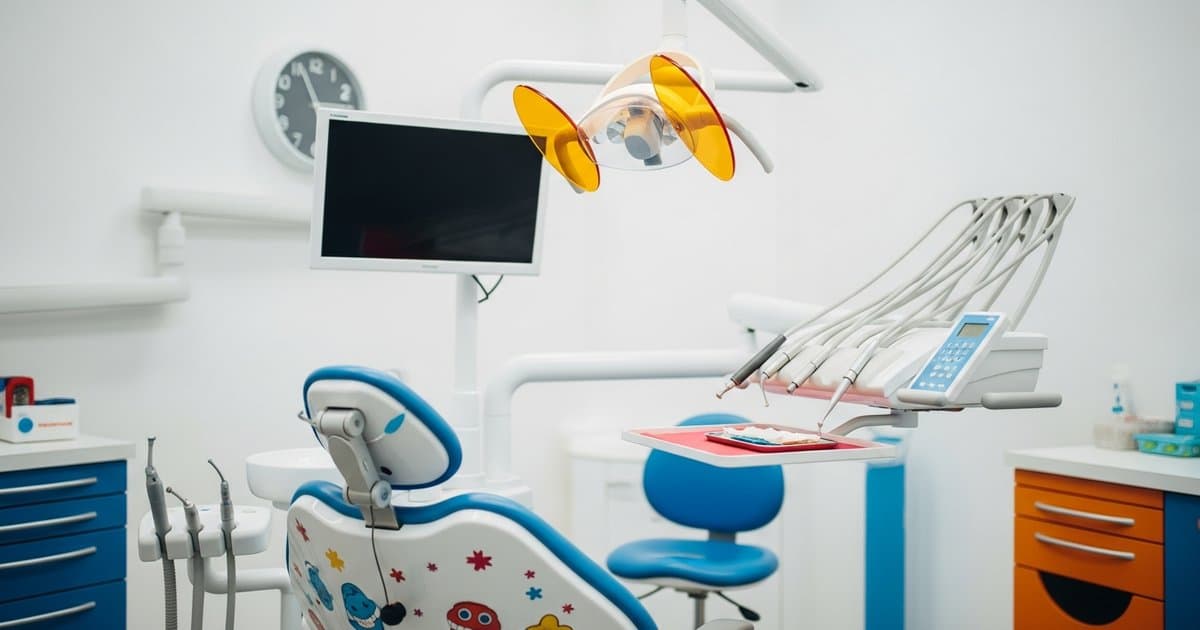
When performing restorative procedures on young patients, having the right dental curing light can make the difference between a smooth, efficient appointment and a stressful experience for both child and practitioner. Pediatric dentistry presents unique challenges that require specialized consideration when selecting equipment—from managing shorter attention spans to working in smaller oral cavities with limited access. The right LED curing light not only ensures optimal polymerization of composite materials but also contributes to faster procedures, better patient cooperation, and ultimately, superior clinical outcomes in your pediatric practice.
Understanding LED Curing Light Technology for Pediatric Applications
Modern LED curing lights have revolutionized pediatric dentistry by offering consistent, powerful light output in compact, ergonomic designs. Unlike older halogen systems, LED lights produce minimal heat, maintain consistent intensity throughout their lifespan, and offer instant-on capability—all crucial factors when working with anxious young patients.
The key specifications to evaluate when selecting a pediatric-focused curing light include light intensity (measured in mW/cm²), wavelength spectrum, beam uniformity, and curing time requirements. Most pediatric procedures benefit from lights offering 1000-1500 mW/cm² intensity, which allows for rapid curing without compromising the integrity of composite materials. This is particularly important when working with the specialized Pediatric Composite Materials: Choosing the Right Resin commonly used in children's dentistry.
The wavelength spectrum is equally important, with most modern LED curing lights operating in the 400-500nm range to effectively activate camphorquinone, the primary photoinitiator in most dental composites. However, some newer composite systems use alternative photoinitiators, making broad-spectrum LED lights increasingly valuable for comprehensive pediatric practices.
Beam uniformity ensures consistent curing across the entire restoration, preventing weak spots that could lead to early failure—a particular concern in pediatric patients who may have higher cavity activity or challenging oral hygiene habits. Look for lights with beam uniformity ratings of 85% or higher to ensure reliable results across all restoration surfaces.
Speed and Efficiency Considerations in Pediatric Dentistry
Time is perhaps the most critical factor in pediatric dental procedures. Children's limited attention spans and potential anxiety make rapid, efficient treatment essential for successful outcomes. The latest generation of high-intensity LED curing lights can achieve complete polymerization in as little as 5-10 seconds for most composite materials, compared to 20-40 seconds required by older systems.
However, speed must be balanced with thoroughness. Incomplete curing can lead to restoration failure, increased wear, and potential sensitivity issues that are particularly problematic in pediatric patients. When evaluating curing lights for speed, consider models that offer multiple intensity settings or programmable curing cycles. This flexibility allows you to adjust treatment parameters based on the specific composite material, restoration thickness, and patient cooperation level.
High-intensity rapid curing is particularly beneficial for procedures like Class II restorations, where maintaining rubber dam isolation can be challenging with young patients. The ability to cure composite layers quickly reduces the risk of contamination and minimizes the time children need to keep their mouths open wide.
Some practitioners find success with progressive curing techniques, using lower intensities initially to allow for stress relief in the composite, followed by high-intensity final curing. This approach can be especially valuable when working with larger restorations common in pediatric dentistry due to the higher caries rates often seen in primary teeth.
Ergonomic Design Features for Pediatric Practice Workflow
Ergonomics play a crucial role in pediatric dentistry, where practitioners often work in awkward positions to accommodate smaller patients and may need to frequently adjust positioning during procedures. The ideal pediatric curing light should feature a lightweight design (typically under 100 grams), balanced weight distribution, and comfortable grip surfaces.
Cordless designs offer significant advantages in pediatric settings, eliminating the risk of cord entanglement and allowing for greater freedom of movement around the patient. Battery life becomes critical—look for units offering at least 300-400 curing cycles per charge to avoid interruptions during busy pediatric sessions. Some newer models feature intelligent battery management systems that provide real-time charge status and automatic power optimization.
The light guide design is particularly important for pediatric applications. Smaller diameter guides (8-10mm) often provide better access to posterior regions in children's mouths, while maintaining adequate light coverage for most restorations. Some manufacturers offer interchangeable light guides or focusing tips that can be customized based on the specific procedure and patient size.
Consider curing lights with 360-degree rotating heads or flexible positioning systems that allow for optimal light delivery from any angle. This flexibility is especially valuable when working with uncooperative patients or in confined spaces typical of pediatric oral cavities. The ability to quickly and easily adjust the light position without shifting the entire unit can significantly improve procedure efficiency.
Clinical Effectiveness and Composite Compatibility
The effectiveness of LED curing lights in pediatric applications depends heavily on their compatibility with the composite materials commonly used in children's dentistry. Most pediatric composites are designed to cure effectively with standard LED wavelengths, but some specialty materials may require specific light characteristics for optimal results.
When evaluating clinical effectiveness, consider the depth of cure capabilities of different lights. Pediatric restorations, particularly in primary molars, may require significant composite thickness to restore proper anatomy and function. Lights capable of achieving adequate cure depth (typically 2-3mm for most composites) in minimal time are essential for successful pediatric practice.
Temperature management during curing is another critical factor. Excessive heat generation can cause patient discomfort and potentially damage the pulp tissue, which is particularly concerning in primary teeth with their larger pulp chambers. Modern LED curing lights generate significantly less heat than older systems, but variations still exist between manufacturers and models.
Real-world clinical effectiveness also depends on consistent light output over time. Look for curing lights with feedback systems that monitor and maintain consistent intensity throughout the device's lifespan. Some advanced units include light meters or indicators that alert practitioners when intensity drops below effective levels, ensuring consistent results across all procedures.
The compatibility with infection control protocols is essential in pediatric practice, where cross-contamination risks must be minimized. Curing lights should accommodate standard barrier protection systems and allow for easy cleaning and disinfection of all patient-contact surfaces. Some units feature antimicrobial coatings or designs that facilitate thorough disinfection between patients.
Product Recommendations and Practical Selection Criteria
Based on the unique requirements of pediatric dentistry, several LED curing lights stand out as particularly well-suited for children's dental practices. When making your selection, prioritize models that balance high intensity output with ergonomic design and proven reliability.
The 3M Elipar DeepCure LED Curing Light offers excellent performance for pediatric applications, with its broad spectrum output and consistent intensity across the beam diameter. Its lightweight design and multiple intensity options make it particularly suitable for practices treating a wide range of patient ages. The unit's rapid curing capabilities help minimize chair time while maintaining excellent clinical results with most pediatric composite materials.
For practices prioritizing portability and battery life, the Ivoclar Bluephase PowerCure represents an excellent option. Its exceptional battery performance and lightweight construction make it ideal for busy pediatric practices. The unit's broad spectrum output ensures compatibility with virtually all composite materials, while its ergonomic design reduces hand fatigue during extended procedure sessions.
Budget-conscious practices should consider the Kerr Demi Ultra LED Curing Light, which offers solid performance at a more accessible price point. While it may lack some advanced features of premium models, it provides reliable curing performance and durability suitable for most pediatric applications.
When evaluating any curing light for pediatric use, test the unit's performance with your most commonly used composite materials. Consider factors such as battery life during typical procedure loads, ease of cleaning and disinfection, warranty coverage, and local service support. These practical considerations often prove more important than specification sheets in determining long-term satisfaction with your investment.
Integration with your existing workflow and equipment should also influence your decision. Some curing lights integrate seamlessly with practice management systems or offer connectivity features that can enhance documentation and quality assurance protocols. While not essential, these features can provide additional value in technology-focused practices.
Don't overlook the importance of having backup equipment available. Consider purchasing two compatible units to ensure continuity of care and reduce downtime for maintenance or repairs. This redundancy is particularly valuable in pediatric practices where appointment rescheduling can be challenging for families. Having reliable curing lights is just one component of maintaining a well-equipped pediatric practice, along with other items covered in our guide to Essential Supplies Every Pediatric Dental Office Needs.
How TGP Can Help
Selecting the right LED curing light for your pediatric practice is just the first step—securing it at the best possible price is equally important for your practice's financial health. The Group Purchasing Organization (TGP) specializes in helping pediatric dental practices achieve significant cost savings on essential equipment and supplies through collective purchasing power.
TGP's network of pediatric practices enables members to access exclusive pricing on top-tier LED curing lights, typically saving 20-30% compared to individual practice purchases. These savings can amount to hundreds or even thousands of dollars on high-quality curing light systems, allowing you to invest in better equipment while maintaining healthy profit margins.
Beyond the immediate cost savings, TGP membership provides access to detailed product evaluations and peer reviews from other pediatric practitioners who have hands-on experience with different curing light models. This real-world insight proves invaluable when making equipment decisions that will impact your practice for years to come.
The organization also negotiates favorable warranty terms and service agreements with manufacturers, providing additional value beyond the initial purchase price. Many TGP members report that the extended warranty coverage and priority service support have prevented costly downtime and repair expenses.
TGP's purchasing specialists stay current with the latest equipment releases and pricing trends, ensuring members receive notifications about new products, promotional pricing, and limited-time offers. This market intelligence helps practices time their equipment purchases for maximum savings and ensures access to the newest technologies that can benefit pediatric patient care.
To learn more about how TGP can help your pediatric practice save significantly on LED curing lights and other essential equipment, contact their membership team for a personalized consultation and savings analysis based on your practice's specific needs and purchasing patterns.
Key Takeaways
• Speed matters in pediatric dentistry - Choose LED curing lights capable of 5-10 second cure times to minimize patient stress and improve cooperation
• Ergonomic design directly impacts efficiency - Lightweight, cordless units with flexible positioning reduce fatigue and improve access in small oral cavities
• Battery life and reliability are crucial - Select units offering 300+ curing cycles per charge with consistent intensity output throughout battery life
• Composite compatibility ensures clinical success - Verify broad spectrum output compatibility with your most commonly used pediatric composite materials
• Heat management protects young patients - Modern LED technology generates minimal heat, but variations between models can affect patient comfort
• Backup equipment prevents downtime - Consider purchasing compatible units to ensure continuity of care and reduce appointment disruption risks
• Cost savings through group purchasing - TGP membership can reduce equipment costs by 20-30% while providing access to peer reviews and extended warranty coverage
FAQ
What intensity level should I look for in an LED curing light for pediatric use?
For pediatric applications, LED curing lights with intensities between 1000-1500 mW/cm² provide the optimal balance of rapid curing and clinical effectiveness. This intensity range allows for 5-10 second cure times with most composite materials while maintaining proper polymerization throughout the restoration depth. Higher intensities aren't necessarily better and may generate unnecessary heat or cause rapid polymerization that could stress the composite material. The key is consistent, uniform light distribution across the beam diameter rather than simply maximum intensity output.
How important is cordless operation for pediatric dental procedures?
Cordless operation offers significant advantages in pediatric dentistry, primarily through improved mobility and reduced safety risks. The absence of cords eliminates potential entanglement issues around active children and allows practitioners greater freedom to position themselves optimally around smaller patients. Battery-powered units also reduce clutter around the patient chair, which can help create a less intimidating environment for anxious children. However, ensure any cordless unit you select offers sufficient battery life (300+ cure cycles) to handle busy pediatric schedules without interruption, as mid-procedure power loss can be particularly disruptive with young patients.
Can the same curing light effectively work for both primary and permanent teeth procedures?
Yes, modern LED curing lights are well-suited for both primary and permanent teeth procedures, but there are some considerations specific to each. Primary teeth often require thicker composite restorations due to their anatomy and higher caries rates, making adequate depth of cure critical. The broader pulp chambers in primary teeth also make heat management more important to prevent pulpal damage. Most quality LED curing lights handle these requirements effectively, but verify that your chosen unit can achieve proper cure depth (typically 2-3mm) and maintains low heat output. The key is selecting a versatile unit with adjustable settings that can accommodate the full range of procedures in your pediatric practice.