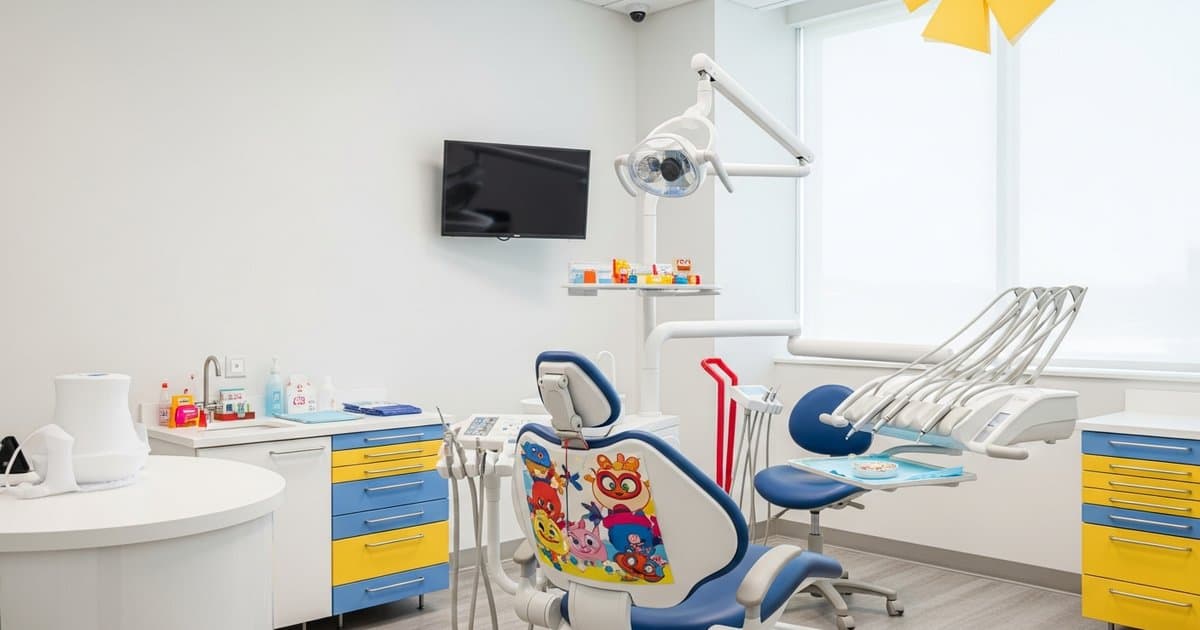
Creating a welcoming, anxiety-free environment for young patients is one of the most critical factors in running a successful pediatric dental practice. The design and supplies you choose for your operatory can make the difference between a child who looks forward to dental visits and one who develops lasting dental phobia. A well-designed child-friendly operatory not only reduces patient anxiety but also improves cooperation during procedures, increases treatment acceptance rates, and builds long-term patient relationships. From colorful ceiling tiles to specialized pediatric equipment, every element of your operatory should be carefully selected with your young patients' unique needs in mind.
Designing for Comfort and Distraction
The physical environment of your operatory sets the tone for the entire dental experience. Children are highly visual learners who respond strongly to their surroundings, making thoughtful design choices essential for creating a positive atmosphere.
Color Psychology and ThemesChoose warm, inviting colors over sterile whites and grays. Soft blues, greens, and yellows create a calming effect, while accent colors like orange or purple can add energy without being overwhelming. Consider implementing a cohesive theme throughout your operatory, such as underwater adventures, space exploration, or jungle safari. Themed operatories give children something familiar to focus on and can serve as conversation starters to help them relax.
Wall decals and murals are excellent alternatives to permanent paint if you're renting your space or want flexibility to change themes periodically. Interactive wall elements, such as spinning wheels with animal sounds or texture panels, can keep children engaged while waiting for procedures to begin.
Ceiling TreatmentsSince children spend most of their appointment looking up, ceiling design is particularly important. Install colorful acoustic tiles with fun patterns, or consider a digital ceiling display system that can show calming nature scenes, cartoons, or educational content. Some practices have found success with fiber optic "starry sky" ceilings that create a magical atmosphere while maintaining a soothing environment.
Lighting ConsiderationsHarsh fluorescent lighting can increase anxiety in pediatric patients. Implement a layered lighting approach with dimmable LED overhead lights, accent lighting around decorative elements, and natural light when possible. Colored LED strips can enhance your theme while providing ambient lighting that makes the space feel less clinical.
When selecting How to Choose the Right Pediatric Dental Chair, consider models with built-in entertainment systems and child-friendly upholstery patterns that complement your overall design scheme.
Essential Pediatric Equipment and Supplies
The right equipment and supplies are fundamental to delivering quality care while maintaining a child-friendly atmosphere. Pediatric-specific products are designed with smaller anatomies and shorter attention spans in mind.
Specialized Dental Chairs and EquipmentPediatric dental chairs should accommodate children from toddlers to teenagers comfortably. Look for chairs with fun colors or patterns, built-in entertainment systems, and smooth, quiet operation to minimize anxiety-inducing sounds. The chair should have a lower starting position to help small children climb on independently, building confidence from the start of their visit.
Consider investing in pediatric-sized instruments that are proportioned for smaller mouths and hands. Smaller suction tips, mirrors, and prophy angles not only improve clinical outcomes but also increase patient comfort. Color-coded instruments can help organize your setup while adding visual interest for young patients.
Infection Control SuppliesMaintaining strict infection control standards doesn't mean sacrificing child appeal. Use colorful barrier films and patient bibs with fun patterns or characters. Disposable prophy cups come in various colors, and you can let children choose their preferred shade to give them a sense of control over their experience.
Flavored fluoride treatments, polishing pastes, and local anesthetics can transform routine procedures into more pleasant experiences. Popular flavors include bubblegum, cherry, chocolate, and tropical fruit. Keep a variety on hand since taste preferences vary significantly among children.
Technology IntegrationIntraoral cameras with child-friendly software can turn diagnostic procedures into educational experiences. Show children their teeth on the monitor and explain treatments using age-appropriate language. Digital X-ray systems with faster exposure times reduce the anxiety associated with holding still for extended periods.
Consider tablet or smartphone holders that can be positioned for each patient, allowing them to watch videos or play games during longer procedures. Ensure your Wi-Fi network can handle multiple streaming devices without compromising your practice management software's performance.
Creating Positive Distractions and Entertainment
Distraction techniques are powerful tools for managing pediatric dental anxiety and improving cooperation during procedures. The key is having multiple options available to match different ages, interests, and attention spans.
Audio-Visual Entertainment SystemsCeiling-mounted monitors or tablet systems allow children to watch age-appropriate content during treatment. Create playlists of popular children's shows, educational videos, and relaxing nature content. Noise-canceling headphones can block out anxiety-inducing dental sounds while delivering entertainment audio.
Consider subscribing to child-safe streaming services and regularly update your content library. Interactive games that respond to eye movement or simple hand gestures can keep children engaged even during procedures that limit their movement.
Sensory Management ToolsMany children benefit from sensory tools that help them self-regulate during dental visits. Weighted lap pads provide calming deep pressure, while fidget toys keep hands busy during examinations. Scented lip balm or pleasant room fragrances can mask clinical odors that some children find off-putting.
Texture boards or sensory bins in the operatory can serve as pre-procedure distractions while you prepare supplies. These tools are particularly beneficial for children with sensory processing differences or autism spectrum disorders.
Reward and Recognition SystemsDevelop a comprehensive reward system that acknowledges good behavior and cooperation throughout the visit, not just at the end. Sticker charts, treasure boxes with small toys, and certificates of bravery can motivate children and create positive associations with dental care.
Consider digital reward systems using tablets where children can earn points or unlock achievements for good behavior. These systems can be integrated with practice management software to track individual patient preferences and progress over time.
Implementing effective Behavior Management Supplies for Pediatric Dentistry requires understanding each child's unique needs and having multiple approaches readily available.
Staff Training and Communication Strategies
Even the most well-designed operatory won't achieve its potential without properly trained staff who understand child development and communication techniques. Your team's interactions with young patients are just as important as the physical environment you create.
Age-Appropriate CommunicationTrain your staff to adjust their communication style based on each child's developmental stage. Toddlers respond to simple, concrete language and demonstration, while school-age children can understand more detailed explanations about procedures. Teenagers may appreciate being treated more like adults while still receiving appropriate reassurance.
Use positive language that frames procedures in non-threatening ways. Instead of "shot" or "drill," use terms like "sleepy juice" or "tooth cleaner." Create a practice-specific vocabulary list that all staff members use consistently to avoid confusion.
Tell-Show-Do TechniqueThis fundamental pediatric dentistry approach involves explaining procedures in age-appropriate language (Tell), demonstrating with instruments or models (Show), and then performing the procedure (Do). Train your staff to break complex procedures into smaller steps and celebrate each successful completion.
Practice this technique during team meetings so all staff members feel confident using it. Role-playing exercises can help team members become comfortable with child-friendly explanations of common procedures.
Reading Behavioral CuesStaff should be trained to recognize signs of increasing anxiety or distress in pediatric patients. Early intervention with distraction techniques or comfort measures can prevent escalation to more disruptive behaviors. Common signs include increased fidgeting, changes in breathing patterns, or withdrawal from interaction.
Develop protocols for different anxiety levels, from mild nervousness to severe dental phobia. Having predetermined response strategies helps staff react quickly and appropriately to changing situations.
Maintenance and Safety Considerations
A child-friendly operatory requires ongoing maintenance and attention to safety details that might not be as critical in adult-focused practices. Regular cleaning and updating of decorative elements ensures a fresh, welcoming environment while meeting infection control standards.
Infection Control in Decorated SpacesAll decorative elements must be cleanable and compatible with your infection control protocols. Choose wall decorations that can be wiped down with approved disinfectants, and avoid porous materials that might harbor bacteria. Removable elements like toys or books should be properly disinfected between patients or limited to single-use items.
Establish cleaning protocols for entertainment devices, including tablets, headphones, and remote controls. Consider disposable covers for frequently handled items, and ensure your housekeeping staff understands the importance of maintaining both cleanliness and visual appeal.
Safety ConsiderationsChild-proof your operatory by securing or removing small items that could present choking hazards. Ensure all electrical cords are properly managed and that decorative elements are securely attached to prevent injury if grabbed by an excited or anxious child.
Consider the placement of sharp instruments and chemicals, even those typically considered safe in adult operatories. Children's curiosity and unpredictable movements require extra attention to potential hazards.
Regular Updates and RefreshingChildren's interests and popular characters change frequently, so plan to update your decorative elements regularly. This doesn't require complete operatory overhauls – simple changes like new wall decals, updated entertainment content, or seasonal decorations can keep the environment fresh and engaging.
Create a budget for annual updates and involve your staff in suggesting improvements based on patient feedback and observations. Consider surveying young patients and their parents about their favorite aspects of the operatory and areas for improvement.
How TGP Can Help
The Group Purchasing Organization (TGP) understands the unique supply needs of pediatric dental practices and offers significant cost savings on the specialized equipment and supplies discussed in this guide. As a member of TGP's group purchasing organization, pediatric practices typically save 20-30% on essential supplies including pediatric dental chairs, specialized instruments, flavored fluorides, colorful patient care items, and entertainment systems.
TGP's pediatric-focused supply experts work directly with manufacturers to negotiate volume discounts on child-friendly products that might otherwise carry premium pricing for smaller practices. This includes everything from themed patient bibs and colorful prophy cups to specialized behavior management supplies and reward system components. Our members also receive exclusive access to new pediatric products and can participate in bulk purchasing programs for high-use items like flavored topical anesthetics and polishing pastes.
Beyond cost savings, TGP provides pediatric practices with supply chain reliability and expert guidance on product selection. Our team stays current with the latest innovations in pediatric dental supplies and can recommend products that align with your practice's specific themes and patient demographics. This combination of significant cost savings and expert support allows you to create an exceptional child-friendly environment while maintaining healthy profit margins.
Key Takeaways
• Design with children's psychology in mind: Use warm colors, engaging themes, and interactive elements to create a welcoming environment that reduces anxiety
• Invest in pediatric-specific equipment: Child-sized instruments, specialized dental chairs, and age-appropriate technology improve both clinical outcomes and patient comfort
• Implement multi-sensory distraction techniques: Combine audio-visual entertainment, tactile tools, and pleasant scents to keep children engaged and calm during procedures
• Train staff in child development and communication: Age-appropriate language, positive framing, and behavioral cue recognition are essential skills for pediatric dental teams
• Maintain safety and cleanliness standards: Balance infection control requirements with child-friendly design elements, ensuring all decorative items can be properly disinfected
• Plan for regular updates: Keep entertainment content current and refresh decorative elements to maintain engagement and excitement for returning patients
• Leverage group purchasing power: Organizations like TGP can provide 20-30% savings on pediatric-specific supplies, making it more affordable to create and maintain an exceptional child-friendly environment
FAQ
How often should I update the entertainment content and decorations in my pediatric operatory?
Plan to refresh entertainment content quarterly and update major decorative elements annually. Children's interests change rapidly, and popular characters or trends from even six months ago may no longer capture their attention. For entertainment systems, regularly add new age-appropriate videos, games, and educational content. Survey your young patients informally about their current interests to guide your updates. Seasonal decorations can also keep the environment feeling fresh – simple additions like holiday-themed stickers or back-to-school displays show that your practice stays current and cares about creating an engaging experience.
What's the most cost-effective way to create a child-friendly operatory on a limited budget?
Start with high-impact, low-cost changes like colorful wall decals, themed ceiling tiles, and child-friendly lighting. These elements dramatically transform the space without requiring major equipment purchases. Focus your initial investment on items that directly touch patients – colorful patient bibs, fun-shaped fluoride trays, and a selection of small reward items can make a significant difference in patient experience. As your budget allows, gradually add larger elements like entertainment systems or specialized pediatric chairs. Remember that creativity often matters more than expense – a well-executed theme using affordable materials can be more effective than expensive equipment without thoughtful integration.
How do I balance infection control requirements with maintaining a fun, child-friendly environment?
Choose decorative elements made from non-porous materials that can withstand frequent cleaning with approved disinfectants. Vinyl wall decals, laminated posters, and sealed decorative panels can be easily wiped down between patients. For interactive elements, consider disposable options or items with removable, washable covers. Establish clear protocols with your staff about which items require disinfection and which should be replaced between patients. Many modern pediatric supplies are designed with infection control in mind – colorful disposable items like patient bibs, cups, and toy rewards can maintain the fun atmosphere while meeting safety standards. Regular staff training ensures everyone understands how to maintain both cleanliness and visual appeal.