Creating a positive dental experience for children requires more than just clinical expertise—it demands a comprehensive approach to behavior management that puts young patients at ease. Effective behavior management in pediatric dentistry relies heavily on having the right supplies and tools at your disposal, from educational aids that support the tell-show-do technique to comfort items that help anxious children feel secure. These specialized supplies not only improve patient cooperation and treatment outcomes but also enhance your team's ability to provide compassionate, efficient care while building long-term relationships with young patients and their families.
Essential Communication and Educational Tools
The foundation of successful pediatric behavior management lies in age-appropriate communication tools that help demystify dental procedures for children. Visual aids play a crucial role in this process, with dental models and anatomical charts specifically designed for pediatric use leading the way. Child-friendly tooth models with bright colors and exaggerated features help dentists explain procedures in terms children can understand, while interactive dental charts featuring cartoon characters make learning about oral health engaging rather than frightening.
Storybooks and educational materials tailored to different age groups serve as powerful tools for implementing the tell-show-do technique. Popular titles like "Just Going to the Dentist" by Mercer Mayer or "The Tooth Book" by Dr. Seuss can be kept in operatories to read with patients before procedures. Digital tablets loaded with age-appropriate dental education apps and videos provide another layer of engagement, allowing children to interact with content while learning about their treatment.
Hand mirrors designed specifically for pediatric use—featuring colorful frames and child-safe construction—enable patients to observe procedures safely, fostering a sense of participation and control. These mirrors should be lightweight and ergonomically designed for small hands, with rounded edges and durable construction to withstand frequent use and cleaning protocols.
Reward systems require specific supplies to be effective, including sticker charts, small toys, and certificates of bravery. Consider stocking a variety of stickers featuring popular characters, temporary tattoos, and small fidget toys that appeal to different age groups and interests. These items should be readily accessible in each operatory to provide immediate positive reinforcement when children demonstrate cooperative behavior.
Comfort and Anxiety-Reduction Supplies
Managing pediatric dental anxiety requires a multi-faceted approach that addresses both physical comfort and emotional security. Weighted blankets have emerged as particularly effective tools for reducing anxiety in pediatric dental settings. These therapeutic blankets, typically weighing between 3-5 pounds for children, provide deep pressure stimulation that can help calm the nervous system and reduce stress responses during dental procedures.
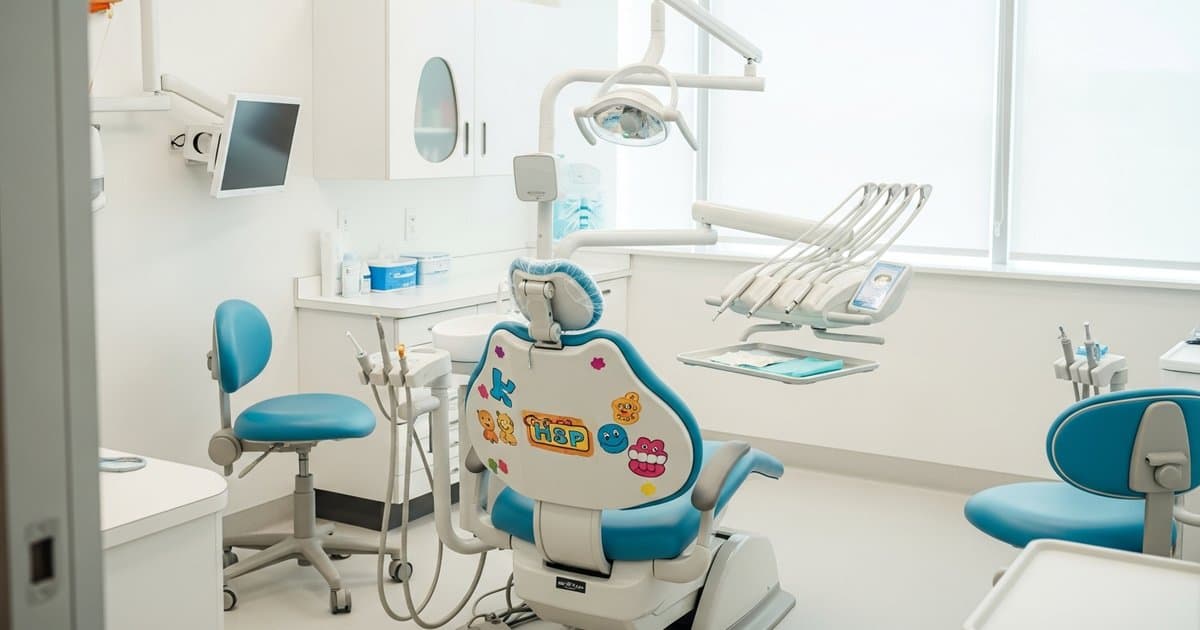
Comfort positioning aids specifically designed for pediatric patients help ensure proper ergonomics while maintaining a sense of security. Child-sized dental chair cushions and supports accommodate smaller body frames while providing the stability needed for effective treatment. Some practices find success with specialized pediatric dental chair covers featuring fun patterns or characters that transform the clinical environment into something more welcoming.
Sensory management tools address the various stimuli that can overwhelm young patients during dental visits. Noise-canceling headphones designed for children can significantly reduce the stress associated with dental equipment sounds, while aromatherapy diffusers with child-safe, calming scents like vanilla or lavender can create a more pleasant atmospheric experience. Consider essential oil blends specifically formulated for pediatric environments, avoiding any potential allergens or overpowering fragrances.
Distraction tools serve as valuable allies in managing patient behavior and reducing perceived discomfort. Ceiling-mounted televisions or monitors positioned at child-friendly viewing angles allow patients to watch age-appropriate content during procedures. Virtual reality headsets designed for pediatric use are increasingly popular, though they require careful selection to ensure proper fit and hygiene protocols. For younger children, simple handheld toys, stress balls, or fidget devices can provide sufficient distraction while allowing for easy cleaning between patients.
Temperature regulation supplies shouldn't be overlooked, as children are often more sensitive to environmental discomfort than adults. Having child-sized blankets readily available, along with the ability to quickly adjust room temperature, can prevent minor discomforts from escalating into behavioral challenges. Some practices invest in warming cabinets for blankets and comfort items, ensuring these tools are always ready for immediate use.
Restraint and Safety Equipment
While the goal is always to achieve cooperation through positive behavior management techniques, pediatric dental practices must be prepared with appropriate restraint and safety equipment for situations where patient or staff safety is at risk. Modern pediatric restraint systems emphasize comfort and dignity while ensuring necessary immobilization for safe treatment delivery.
Papoose boards designed specifically for pediatric dentistry offer full-body stabilization when necessary, but selection should prioritize models with soft, washable covers and quick-release mechanisms. These devices should be sized appropriately for your patient population, with separate options for toddlers, school-age children, and adolescents. Training your entire team on proper application and monitoring protocols is essential for both effectiveness and patient comfort.
Mouth props and bite blocks require special consideration in pediatric applications, as children's oral anatomy and cooperation levels differ significantly from adults. Pediatric-specific mouth props should feature soft, flexible materials that reduce discomfort while providing adequate access for treatment. Flavored options can help improve acceptance, with mild fruit flavors generally preferred over mint, which many children find too strong.
For practices that provide sedation services, specialized monitoring equipment becomes crucial. Pediatric-appropriate pulse oximeters with sensors designed for small fingers, along with blood pressure cuffs sized for children, ensure accurate vital sign monitoring throughout procedures. These devices should integrate seamlessly with your existing monitoring systems while providing the precision required for pediatric patient safety. For comprehensive information about sedation equipment, refer to our guide on Nitrous Oxide Sedation Systems for Pediatric Offices.
Emergency response supplies must be tailored to pediatric needs, including appropriately sized airway management tools, emergency medications calculated for pediatric dosing, and resuscitation equipment designed for children. Regular training and simulation exercises using these supplies help ensure your team remains prepared for any situation while maintaining focus on preventive behavior management strategies.
Specialized Behavior Management Tools
Advanced behavior management in pediatric dentistry often requires specialized tools that go beyond basic comfort measures. Biofeedback devices designed for children can help patients learn self-regulation techniques, with visual displays that show heart rate or breathing patterns in child-friendly formats. These tools are particularly effective for older children and adolescents who can actively participate in anxiety management techniques.
Therapeutic communication aids include picture boards and communication cards that help children express their needs and concerns during treatment. These tools are especially valuable for patients with special needs, autism spectrum disorders, or language barriers. The cards should feature clear, simple images representing common sensations, needs, and emotions, allowing for non-verbal communication when speaking may be difficult.
Desensitization kits containing scaled-down versions of dental instruments allow children to explore and become familiar with tools before treatment begins. These kits should include child-safe replicas of common instruments like mirrors, explorers, and handpieces, enabling hands-on exploration that reduces fear of the unknown. Some practices create dedicated "practice" areas where children can role-play dental visits using these tools.
Progressive muscle relaxation aids, such as guided audio programs designed for children, can be invaluable for teaching coping strategies. These programs should feature age-appropriate language and imagery, with different versions available for various developmental stages. Consider investing in child-friendly audio equipment that allows for personalized listening experiences without disrupting other patients or procedures.
For practices serving children with special needs, additional specialized supplies may be necessary. This can include adaptive communication devices, specialized positioning equipment, and sensory regulation tools tailored to specific conditions. Building relationships with occupational therapists and special needs specialists can help inform your supply decisions and ensure you're equipped to serve all patients in your community effectively.
The integration of these tools with your overall office environment is crucial for success. Consider how these supplies fit within the broader context of Creating a Child-Friendly Dental Operatory, ensuring that behavior management tools complement rather than conflict with your overall design philosophy.
How TGP Can Help
Managing the costs associated with comprehensive behavior management supplies can be challenging for pediatric dental practices, especially when budgets are tight but patient care cannot be compromised. The Group Purchasing Organization (TGP) addresses this challenge by leveraging the collective purchasing power of dental practices nationwide to secure significant savings on essential behavior management supplies.
Through TGP's group purchasing program, pediatric dental practices typically save 20-30% on behavior management supplies compared to individual purchasing arrangements. This includes everything from weighted blankets and comfort positioning aids to specialized pediatric restraint systems and educational materials. The program's negotiated contracts with leading manufacturers ensure that practices receive not only competitive pricing but also priority access to new products and innovations in pediatric behavior management.
TGP's benefits extend beyond simple cost savings to include streamlined ordering processes that save valuable administrative time. The organization's online platform allows practice managers to easily compare products, read peer reviews, and place orders for behavior management supplies alongside other essential practice needs. This consolidated approach reduces the complexity of managing multiple vendor relationships while ensuring consistent product availability.
The organization's pediatric-focused expertise helps practices make informed decisions about behavior management supplies by providing detailed product comparisons, implementation guides, and best practice recommendations from successful pediatric practices. This guidance is particularly valuable when investing in higher-cost items like specialized positioning equipment or electronic distraction systems, where making the right choice the first time is crucial for both budget management and patient care outcomes.
Additionally, TGP members gain access to exclusive educational resources and training opportunities related to behavior management techniques and supply utilization. These programs help practice teams maximize the value of their investments by ensuring proper implementation and effective use of behavior management tools, ultimately improving both patient outcomes and return on investment.
Key Takeaways
• Effective pediatric behavior management requires a comprehensive approach combining educational tools, comfort supplies, safety equipment, and specialized behavior management aids
• Tell-show-do technique implementation relies heavily on age-appropriate visual aids, models, and educational materials that make dental procedures understandable and less frightening for children
• Comfort and anxiety-reduction supplies, including weighted blankets, sensory management tools, and distraction devices, play crucial roles in creating positive dental experiences for young patients
• Safety equipment and restraint systems must be specifically designed for pediatric use, emphasizing both effectiveness and patient dignity while ensuring proper sizing for different age groups
• Specialized behavior management tools such as biofeedback devices, communication aids, and desensitization kits can significantly improve outcomes for challenging cases and special needs patients
• Integration of behavior management supplies with overall office design and philosophy creates a cohesive approach to pediatric patient care
• Group purchasing through organizations like TGP can reduce supply costs by 20-30% while providing access to specialized products and expert guidance
• Investment in appropriate behavior management supplies ultimately improves patient cooperation, treatment outcomes, and long-term practice success
FAQ
What are the most cost-effective behavior management supplies for new pediatric dental practices?
For new practices with limited budgets, prioritize versatile supplies that serve multiple functions. Start with basic educational tools like pediatric dental models and storybooks, which support the tell-show-do technique across all age groups. Invest in a selection of comfort items including child-sized blankets, simple fidget toys, and a basic reward system with stickers and small prizes. A ceiling-mounted monitor for distraction and child-friendly hand mirrors are also high-impact, relatively low-cost investments. As your practice grows, you can add specialized items like weighted blankets, advanced positioning aids, and electronic distraction systems. Remember that joining a group purchasing organization like TGP can immediately reduce costs on these initial investments by 20-30%.
How do I determine the right mix of behavior management supplies for my patient population?
Analyze your patient demographics by age groups and special needs populations to guide your supply decisions. For practices serving primarily younger children (ages 3-7), focus on sensory comfort items, simple educational tools, and engaging distraction materials. Practices with more school-age patients (8-12) should emphasize interactive educational tools, biofeedback devices, and more sophisticated distraction systems. If you serve patients with special needs, invest in communication aids, specialized positioning equipment, and sensory regulation tools. Track which supplies your team uses most frequently and which seem most effective at improving patient cooperation, then adjust your inventory accordingly. Consider surveying parents about their children's specific fears or preferences to further customize your approach.
What training should my staff receive on using behavior management supplies effectively?
Comprehensive staff training should cover both the practical use of supplies and the psychological principles behind their effectiveness. Start with foundational training on child development and age-appropriate communication techniques, then provide hands-on instruction for each category of supplies in your practice. This includes proper application of comfort items and restraint systems, effective use of educational tools in the tell-show-do process, and safety protocols for all equipment. Role-playing exercises using different scenarios help staff practice integrating supplies into patient interactions naturally. Regular refresher training ensures consistent application across your team, while ongoing education about new products and techniques keeps your behavior management approach current. Consider partnering with pediatric psychology consultants or attending continuing education courses focused specifically on pediatric behavior management to enhance your team's expertise.