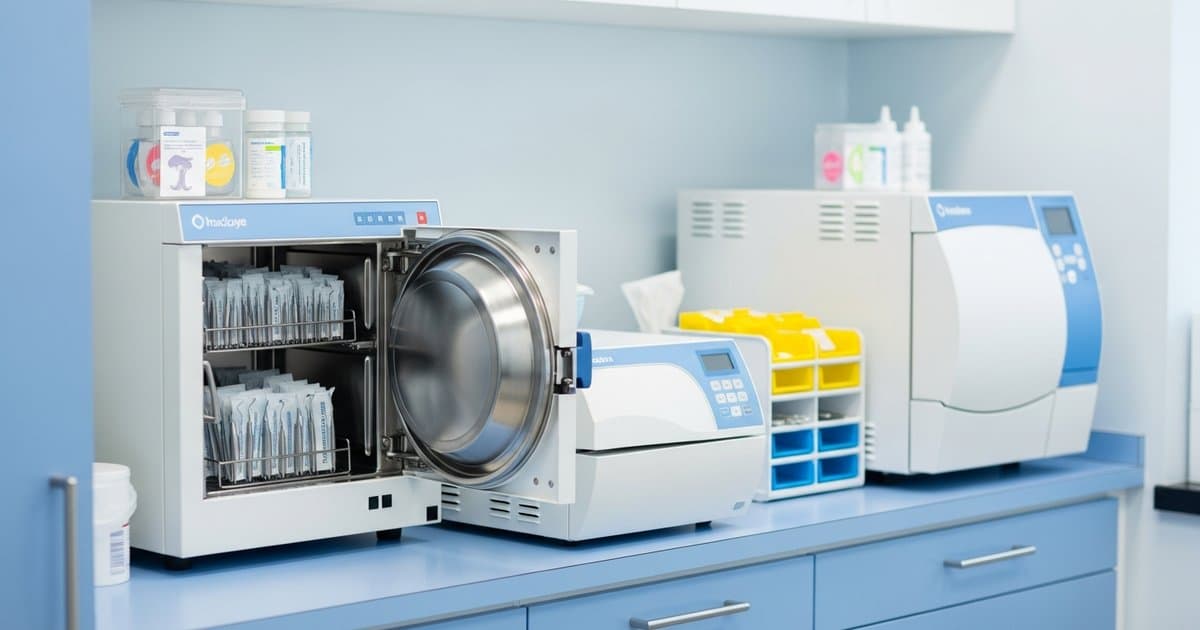
Selecting the right autoclave for your pediatric dental practice is one of the most critical decisions you'll make regarding infection control and operational efficiency. Unlike general dental practices, pediatric offices face unique challenges including higher patient turnover, specialized instruments, and the need for rapid sterilization cycles to maintain smooth workflow throughout busy days. The steam sterilizer you choose will directly impact your practice's ability to maintain the highest safety standards while serving the dental health needs of children in your community.
Understanding Steam Sterilizer Types for Pediatric Practices
When evaluating autoclave options for your pediatric dental office, you'll encounter three primary types of steam sterilizers, each with distinct advantages and considerations for pediatric practice workflows.
Gravity Displacement Autoclaves represent the most traditional and cost-effective option for smaller pediatric practices. These units rely on gravity to remove air from the chamber as steam enters from the top, displacing cooler air downward and out through a drain. For pediatric practices with moderate patient volumes, gravity displacement autoclaves like the Tuttnauer 2340M or Midmark M9 offer reliable sterilization at an accessible price point. However, these units require longer cycle times (typically 45-60 minutes including drying) and may struggle with wrapped instruments or complex geometries common in pediatric dentistry. Pre-vacuum Autoclaves utilize a vacuum pump to actively remove air from the sterilization chamber before introducing steam, resulting in faster penetration and more efficient sterilization cycles. The Tuttnauer 3870EA and Midmark M11 are excellent examples that serve high-volume pediatric practices exceptionally well. These units complete full cycles in 30-45 minutes and handle wrapped instrument packs more effectively than gravity displacement models. For busy pediatric practices seeing 40+ patients daily, the time savings and improved reliability justify the higher initial investment. Steam Flush Pressure Pulse (SFPP) Autoclaves represent the premium tier of steam sterilization technology. Units like the STATIM series create rapid steam penetration through multiple pressure pulses, achieving complete sterilization in as little as 6-15 minutes for unwrapped instruments. While the higher cost may seem prohibitive, SFPP autoclaves can transform workflow efficiency in fast-paced pediatric environments where instrument turnaround speed directly impacts patient scheduling and satisfaction.The choice between these technologies often comes down to balancing initial investment against long-term operational efficiency. High-volume pediatric practices benefit significantly from faster cycle times, while smaller practices may find gravity displacement units perfectly adequate for their needs.
Critical Cycle Parameters and Settings for Pediatric Dental Instruments
Understanding and properly configuring sterilization cycle parameters ensures consistent, effective sterilization while protecting your valuable pediatric dental instruments from damage. Temperature, pressure, and time form the foundation of effective steam sterilization, but pediatric practices must consider additional factors related to specialized instruments and materials.
Temperature and Pressure Settings for dental autoclaves typically operate at either 250°F (121°C) or 270°F (132°C). The lower temperature setting requires longer exposure times but proves gentler on heat-sensitive materials common in pediatric dentistry. Stainless steel instruments, orthodontic pliers, and most hand instruments tolerate 270°F cycles well, while composite instruments, some plastic components, and delicate pediatric-specific tools may require 250°F cycles to prevent damage or warping. Exposure Time Requirements vary based on load composition and sterilizer type. Unwrapped metal instruments typically require 15 minutes at 250°F or 10 minutes at 270°F, while wrapped instrument packs need extended exposure times of 30 minutes at 250°F or 15 minutes at 270°F. Pediatric practices often utilize instrument cassettes for organization and efficiency, as discussed in our comprehensive guide on Instrument Cassettes and Organization for Infection Control, which may require adjusted timing based on pack density and wrapping materials. Drying Cycle Considerations become particularly important in pediatric practices where rapid instrument turnover is essential. Inadequate drying can lead to wet packs, compromising sterility and requiring complete re-sterilization. Most modern autoclaves include programmable drying phases ranging from 10-30 minutes. Adjust drying times based on your typical load composition – heavily wrapped packs or dense cassettes may require extended drying periods to ensure complete moisture removal. Load Configuration Best Practices significantly impact sterilization effectiveness. Avoid overloading the chamber, as steam must freely circulate around all surfaces. Place instrument packs on edge rather than flat, allowing steam penetration and moisture escape. For pediatric practices using specialized equipment like nitrous oxide monitoring devices or electronic apex locators, consult manufacturer guidelines for sterilization compatibility and cycle requirements.Regular biological indicator testing validates your sterilization parameters and provides documentation required for compliance with pediatric dental practice regulations. Weekly spore testing using Geobacillus stearothermophilus strips or ampoules confirms that your selected cycle parameters achieve complete sterilization under actual operating conditions.
Capacity Planning for High-Volume Pediatric Operations
Determining the appropriate autoclave capacity for your pediatric dental practice requires careful analysis of patient volume, instrument turnover rates, and operational workflow patterns. Undersized sterilizers create bottlenecks that limit scheduling flexibility, while oversized units waste energy and valuable operatory space.
Chamber Size Calculations should account for peak daily instrument loads rather than average volumes. A typical pediatric dental appointment requires 2-3 instrument setups when accounting for procedure variations and potential re-treatment needs. Practices seeing 30 patients daily may need sterilization capacity for 80-100 instrument setups to maintain adequate inventory rotation. Chamber dimensions matter more than simple volume measurements – ensure your chosen autoclave accommodates your largest instrument cassettes or sterilization pouches without overcrowding. Multiple Unit Considerations often provide better operational flexibility than single large-capacity autoclaves. Two moderate-sized units allow continuous sterilization cycles while providing backup capability during maintenance or repairs. The Tuttnauer 2540M paired with a STATIM 5000 creates an excellent combination for medium-volume pediatric practices, offering both routine batch processing and rapid turnaround capability for urgent instrument needs. Workflow Integration Factors significantly impact effective capacity utilization. Position autoclaves near instrument processing areas to minimize transport time and handling. Consider installing dedicated sterilization equipment as outlined in our Sterilization Equipment for Pediatric Dental Practices guide, which covers comprehensive sterilization center design for optimal efficiency. Future Growth Planning should influence capacity decisions, especially for expanding pediatric practices. Selecting autoclaves with 25-30% excess capacity provides room for patient volume growth without requiring immediate equipment upgrades. Additionally, consider whether your practice may add specialties like orthodontics or oral surgery, which could significantly increase instrument sterilization requirements. Staff Efficiency Considerations impact practical capacity utilization. Automated cycle selection, integrated drying, and clear cycle completion indicators reduce staff time and training requirements. Units with multiple preset programs allow staff to quickly select appropriate cycles for different load types without memorizing complex parameter combinations.Peak demand periods, such as after-school hours and summer months when pediatric patients are more available, may require temporary capacity increases. Planning for these seasonal variations ensures consistent appointment availability during high-demand periods.
Maintenance Requirements and Operational Considerations
Proper autoclave maintenance ensures consistent sterilization performance, extends equipment lifespan, and maintains compliance with pediatric dental practice regulations. Developing comprehensive maintenance protocols protects your investment while ensuring uninterrupted patient care capabilities.
Daily Maintenance Tasks form the foundation of reliable autoclave operation. Begin each day by checking water levels in reservoir-fed units, inspecting door seals for wear or damage, and running a biological indicator test if required by your testing schedule. Clean the chamber interior with appropriate disinfectants, removing any debris or residue that could interfere with steam circulation. Document these daily checks to demonstrate consistent maintenance compliance during inspections or accreditation reviews. Weekly and Monthly Service Requirements include more comprehensive system evaluations. Weekly tasks should include drain line cleaning, door seal lubrication, and thorough chamber inspection for corrosion or damage. Monthly maintenance typically involves replacing water filters, calibrating temperature and pressure sensors, and conducting preventive maintenance on vacuum pumps in pre-vacuum units. Many pediatric practices find that establishing maintenance contracts with qualified service technicians ensures consistent care while reducing staff burden. Water Quality Management significantly impacts autoclave performance and longevity. Poor water quality causes mineral buildup, corrosion, and premature component failure. Install appropriate water treatment systems, including deionization or reverse osmosis filtration, to protect your investment. Regular water quality testing confirms that treatment systems function properly and meet manufacturer specifications. Record Keeping and Documentation requirements for pediatric dental practices include detailed sterilization logs, maintenance records, and biological indicator test results. Modern autoclaves often include integrated data logging and printing capabilities that simplify documentation requirements. Establish clear protocols for record retention and organization to facilitate compliance demonstrations and quality assurance reviews. Troubleshooting Common Issues helps minimize downtime and operational disruptions. Incomplete drying often indicates overloaded chambers, inadequate drying time settings, or drainage system problems. Cycle failures may result from door seal issues, sensor malfunctions, or water quality problems. Training staff to recognize and address common problems reduces service calls and maintains operational continuity. Energy Efficiency Considerations impact long-term operating costs, particularly for high-volume pediatric practices running multiple daily cycles. Modern autoclaves incorporate energy-saving features like improved insulation, efficient heating elements, and optimized cycle programming. While energy-efficient units may cost more initially, the operational savings accumulate significantly over the equipment's lifespan.Technology Features That Enhance Pediatric Practice Efficiency
Modern autoclave technology offers numerous features specifically beneficial for pediatric dental practices, where efficiency, safety, and reliability are paramount. Understanding these technological advantages helps practices make informed equipment selections that improve both operational workflow and patient care quality.
Automated Cycle Selection eliminates guesswork and reduces training requirements for staff members. Advanced units like the Midmark M11 UltraClave offer preset programs optimized for common dental loads, including wrapped instruments, unwrapped instruments, and handpieces. These programmable cycles ensure consistent sterilization parameters while allowing customization for specific pediatric practice needs. Integrated Monitoring and Documentation Systems provide real-time cycle monitoring and automatic record generation. Units equipped with USB connectivity, thermal printers, or network integration simplify compliance documentation while providing detailed cycle data for quality assurance purposes. This technology proves particularly valuable for pediatric practices managing multiple providers and complex scheduling demands. Advanced Drying Technology addresses one of the most common sterilization challenges in busy pediatric practices. Post-vacuum drying systems and heated drying chambers ensure complete moisture removal, preventing wet packs that compromise sterility. Some premium units incorporate HEPA filtration during drying cycles, providing additional contamination protection for processed instruments. Safety and Monitoring Features include automatic door locking during cycles, pressure relief systems, and chamber temperature monitoring. Advanced units provide low-water alerts, cycle failure notifications, and maintenance reminders that help staff maintain optimal performance. These safety features are particularly important in pediatric practices where staff may be managing multiple operational priorities simultaneously. Connectivity and Integration Capabilities allow modern autoclaves to integrate with practice management systems and quality assurance protocols. Some units offer smartphone apps for remote monitoring, email alerts for cycle completion, and cloud-based data storage for compliance documentation. These features enhance operational efficiency while providing practice owners with real-time visibility into sterilization operations. Ergonomic Design Considerations impact daily usability and staff satisfaction. Features like easy-loading chamber designs, intuitive control interfaces, and appropriate counter heights reduce physical strain and improve workflow efficiency. For pediatric practices with high daily throughput, these ergonomic considerations significantly impact long-term staff productivity and job satisfaction.How TGP Can Help
The TGP Group Purchasing Organization provides pediatric dental practices with significant cost advantages when acquiring autoclave systems and related sterilization equipment. Through our negotiated contracts with leading manufacturers like Tuttnauer, Midmark, and STATIM, TGP members typically save 20-30% on autoclave purchases compared to individual practice negotiations.
Beyond initial equipment savings, TGP's purchasing power extends to ongoing operational supplies including sterilization pouches, biological indicators, chemical indicators, and maintenance supplies. These recurring costs can represent substantial annual expenses for busy pediatric practices, making TGP membership particularly valuable for long-term operational efficiency.
Our equipment specialists understand the unique requirements of pediatric dental practices and can provide personalized recommendations based on your patient volume, procedural mix, and growth projections. This consultative approach ensures that your autoclave selection optimally matches your practice's specific needs while maximizing cost-effectiveness.
TGP also negotiates favorable terms for extended warranties, service contracts, and training programs that protect your investment and ensure optimal equipment performance. Many manufacturers offer enhanced warranty coverage and priority service scheduling for TGP members, providing additional value beyond simple purchase price savings.
Key Takeaways
• Autoclave type selection should align with practice volume and workflow requirements – gravity displacement for smaller practices, pre-vacuum for high-volume operations, and SFPP for maximum efficiency
• Proper cycle parameters must balance sterilization effectiveness with instrument protection, typically using 250°F for heat-sensitive materials and 270°F for standard metal instruments
• Capacity planning should account for peak demand periods and future growth, with chamber size adequate for largest instrument cassettes without overcrowding
• Regular maintenance protocols including daily cleaning, weekly inspections, and monthly service requirements ensure reliable performance and regulatory compliance
• Modern technology features like automated cycle selection, integrated documentation, and advanced drying systems significantly improve operational efficiency
• Water quality management through appropriate filtration systems protects equipment investment and ensures consistent sterilization performance
• Multiple unit configurations often provide better flexibility and backup capability than single large-capacity autoclaves
• Staff training and documentation systems must support consistent operation and compliance with pediatric dental practice regulations
What size autoclave do I need for a pediatric practice seeing 25-30 patients daily?
For a practice seeing 25-30 patients daily, you'll typically need an autoclave with a chamber capacity of 10-15 liters (such as the Tuttnauer 2540M or Midmark M9) to handle 60-80 instrument setups per day. Consider the physical dimensions as well as volume – ensure the chamber accommodates your largest instrument cassettes. If your practice experiences seasonal volume fluctuations common in pediatric dentistry, consider installing two moderate-sized units rather than one large autoclave to provide operational flexibility and backup capability during maintenance periods.
How often should I run biological indicator tests on my autoclave?
Most state dental boards and accreditation bodies require weekly biological indicator testing for dental autoclaves, though some jurisdictions may require more frequent testing. Use Geobacillus stearothermophilus spore strips or self-contained biological indicators specifically designed for steam sterilization. Run tests with typical instrument loads rather than empty chambers to validate real-world sterilization conditions. Additionally, perform biological indicator tests after autoclave maintenance, repairs, or any cycle parameter changes to confirm continued sterilization effectiveness.
What's the difference between wrapped and unwrapped sterilization cycles for pediatric instruments?
Unwrapped sterilization cycles are faster (typically 15-20 minutes total) but require immediate use of instruments after cooling, making them ideal for emergency situations or high-turnover procedures. Wrapped cycles take longer (30-45 minutes total) but allow sterile storage of instruments for extended periods, which is more practical for routine pediatric practice operations. Most pediatric practices use primarily wrapped cycles with instrument cassettes to maintain organized, sterile instrument sets ready for any appointment type. The choice depends on your practice's workflow patterns and instrument turnover requirements.