Creating a safe, clean environment for your young patients and staff has never been more important than it is today. Air purification systems represent a critical investment in your pediatric dental practice's infection control strategy, working alongside traditional PPE and ventilation systems to minimize airborne contaminants. With children being particularly susceptible to respiratory issues and often less compliant with mask-wearing during treatment, implementing effective air cleaning technology becomes essential for maintaining a healthy practice environment.
The unique challenges of pediatric dentistry—from managing anxious young patients to dealing with procedures that generate significant aerosols—make air purification systems particularly valuable. Unlike adult patients who can better control their breathing and movements during procedures, children may cough, sneeze, or move unexpectedly, potentially increasing aerosol dispersion. This guide will help you navigate the three primary air cleaning technologies available for dental operatories: HEPA filtration, UV-C sterilization, and ionization systems, enabling you to make informed decisions that protect your patients, staff, and practice.
Understanding Air Purification Needs in Pediatric Dental Practices
Pediatric dental offices face distinct air quality challenges that set them apart from general dental practices. Children naturally breathe through their mouths more frequently than adults, making them more susceptible to inhaling airborne contaminants. Additionally, procedures commonly performed in pediatric dentistry—such as prophylaxis, restorative work, and pulp therapy—generate substantial amounts of aerosols containing saliva, blood, and potentially harmful microorganisms.
The smaller operatory sizes typical in pediatric practices can actually work to your advantage when selecting air purification systems, as the reduced cubic footage allows for more frequent air changes per hour. However, this also means that contaminants can become more concentrated without proper air cleaning technology. Children's immune systems, while generally robust, are still developing, making them potentially more vulnerable to infections spread through aerosols.
When evaluating air purification needs for your practice, consider the typical patient volume, procedure types, and operatory layouts. A busy pediatric practice performing multiple cleanings and restorative procedures daily will have different requirements than a practice focused primarily on preventive care. The integration of air purification systems should complement your existing Aerosol Reduction Strategies in Pediatric Dentistry rather than replace them.
Modern air purification systems can effectively remove particles as small as 0.1 microns, which encompasses most bacteria and viruses of concern in dental settings. The key is selecting technologies that can handle the specific contaminants produced during dental procedures while operating quietly enough not to frighten young patients or interfere with communication between dentist and patient.
HEPA Filtration Systems: The Gold Standard
High-Efficiency Particulate Air (HEPA) filtration represents the most established and widely trusted air cleaning technology for healthcare environments. These systems work by forcing air through a dense mat of fibers that trap particles through a combination of impaction, interception, and diffusion. True HEPA filters must remove at least 99.97% of particles 0.3 microns or larger, making them highly effective against the bacteria and viruses commonly found in dental aerosols.
For pediatric dental practices, HEPA systems offer several compelling advantages. They operate silently, which is crucial when working with children who may be startled by unfamiliar sounds. The technology is also well-understood and trusted by healthcare professionals, making staff training straightforward. Portable HEPA units can be easily moved between operatories or positioned strategically based on the specific procedure being performed.
When selecting HEPA systems for your practice, look for units with Clean Air Delivery Rates (CADR) appropriate for your operatory size. A good rule of thumb is to choose systems capable of 6-12 air changes per hour, with higher rates needed for aerosol-generating procedures. Units like the IQAir HealthPro Plus or the Honeywell HPA300 series have proven effective in dental settings, offering both portability and sufficient filtration capacity.
The main considerations with HEPA systems include ongoing filter replacement costs and the need for regular maintenance. Pre-filters can help extend the life of expensive HEPA filters by capturing larger particles first. Additionally, some units offer activated carbon filters that can help reduce odors, which may be beneficial in pediatric settings where children are often sensitive to medicinal smells.
Installation flexibility makes HEPA systems particularly attractive for existing practices. Wall-mounted units save floor space in smaller pediatric operatories, while mobile units can be shared between rooms. The key is ensuring proper air circulation patterns that don't create drafts uncomfortable for young patients while effectively capturing aerosols at their source.
UV-C Light Technology for Air Sterilization
Ultraviolet-C (UV-C) light technology offers a different approach to air purification by using short-wavelength ultraviolet radiation to inactivate microorganisms. Unlike filtration systems that physically trap particles, UV-C systems destroy bacteria, viruses, and other pathogens by damaging their DNA or RNA, preventing replication and rendering them harmless.
In pediatric dental settings, UV-C technology provides several unique benefits. The systems can be integrated into existing HVAC systems or installed as standalone units, offering flexibility in implementation. Upper-room UV-C systems, which disinfect air in the upper portion of rooms while maintaining safety at the breathing level, can provide continuous disinfection without disrupting clinical procedures.
The effectiveness of UV-C systems depends heavily on proper installation and maintenance. The intensity of UV-C light, exposure time, and air circulation patterns all impact performance. For optimal results in dental operatories, look for systems that provide adequate UV-C dose rates—typically measured in millijoules per square centimeter (mJ/cm²)—to ensure pathogen inactivation.
Safety considerations are paramount when implementing UV-C technology in pediatric practices. Direct exposure to UV-C light can cause skin and eye damage, making proper shielding and installation crucial. Enclosed systems that contain UV-C lamps within air handling units eliminate direct exposure risks while providing effective air disinfection. Some newer systems incorporate sensors that automatically shut off UV-C lamps when motion is detected, adding an extra layer of safety.
UV-C technology works particularly well when combined with HEPA filtration, creating a comprehensive approach that both captures and destroys airborne contaminants. This combination can be especially effective for practices dealing with higher patient volumes or those performing procedures that generate significant aerosols.
Ionization Technology: Pros and Cons
Ionization systems represent a newer approach to air purification that works by releasing charged particles (ions) into the air. These ions attach to airborne contaminants, causing them to clump together and either fall from the air or become more easily captured by filtration systems. Some ionization technologies, such as bipolar ionization, claim to actually deactivate pathogens by disrupting their cellular structure.
For pediatric dental practices, ionization systems offer the advantage of treating entire room volumes without the need for air to pass through a specific device. This can be particularly beneficial in larger operatories or areas where traditional air purifiers might be impractical. The systems typically operate very quietly and can be integrated into existing HVAC systems with minimal disruption.
However, ionization technology also presents some concerns that practice owners should carefully consider. Some ionization systems can produce ozone as a byproduct, which can be harmful, especially to children with respiratory conditions like asthma. The EPA has established strict guidelines regarding acceptable ozone levels, and any ionization system should be verified to meet these standards.
The scientific evidence supporting ionization technology's effectiveness against airborne pathogens is less robust compared to HEPA filtration or UV-C technology. While some studies show promising results, the technology hasn't been as extensively validated in healthcare settings. This may be a consideration for practice owners who need to demonstrate infection control compliance to regulatory bodies.
When evaluating ionization systems, look for third-party testing data that validates both effectiveness and safety. Systems that have been tested by independent laboratories and certified to produce minimal ozone are preferable. Additionally, consider ionization as a supplementary technology rather than a primary air cleaning solution, especially in high-risk environments like dental operatories.
Choosing the Right System for Your Practice
Selecting the optimal air purification system for your pediatric dental practice requires careful consideration of multiple factors including operatory size, patient volume, procedure types, budget, and existing infrastructure. The most effective approach often involves combining technologies rather than relying on a single solution.
Start by assessing your current air quality situation. Consider factors such as your existing ventilation system's effectiveness, the types of procedures you commonly perform, and any specific challenges your practice faces. Practices that perform a high volume of aerosol-generating procedures may benefit from more aggressive air cleaning approaches, while those focused primarily on preventive care might find simpler solutions adequate.
Budget considerations extend beyond initial purchase costs to include ongoing operational expenses such as filter replacements, electricity consumption, and maintenance requirements. HEPA systems typically have the highest ongoing costs due to filter replacements, while UV-C systems may have higher initial installation costs but lower ongoing maintenance requirements.
Room size and layout significantly impact system selection. Smaller pediatric operatories may be well-served by portable HEPA units, while larger spaces might benefit from installed systems integrated with HVAC infrastructure. Consider how systems will be positioned to maximize effectiveness without interfering with clinical workflows or creating uncomfortable drafts for young patients.
Staff training requirements vary significantly between technologies. HEPA systems are generally straightforward, requiring mainly filter change protocols, while UV-C systems may need more comprehensive safety training. Factor in your team's technical comfort level and available training time when making selections.
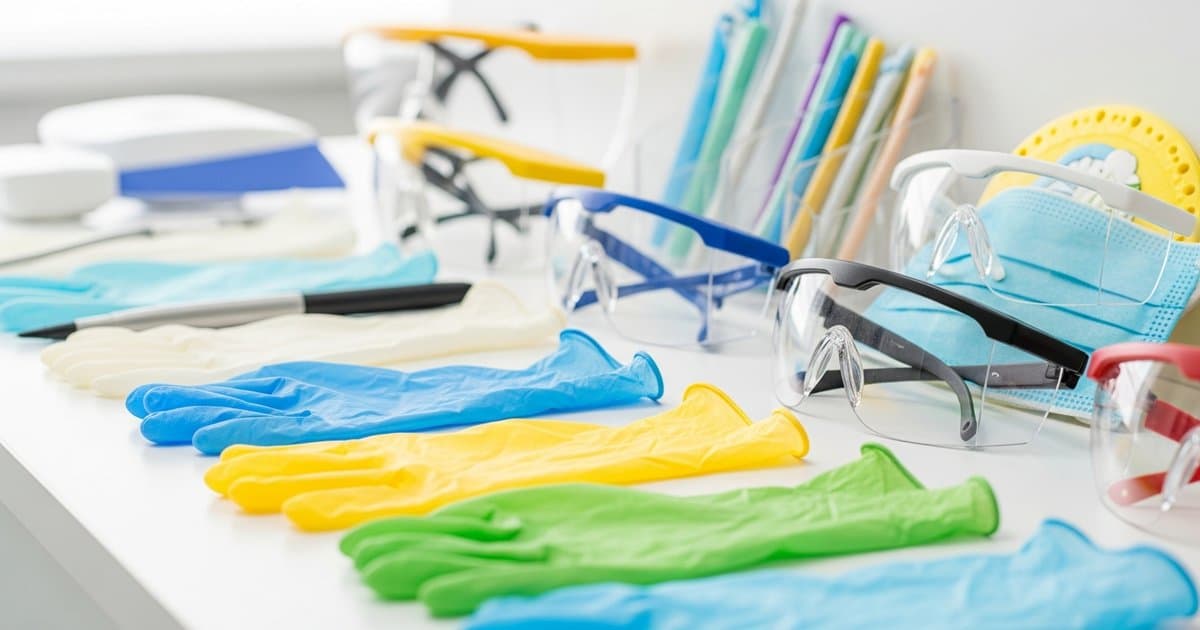
Integration with existing PPE Requirements for Pediatric Dental Practices should be seamless, with air purification systems enhancing rather than replacing traditional infection control measures. The goal is creating a comprehensive approach that addresses all potential routes of contamination transmission.
How TGP Can Help
The Group Practice (TGP) understands that investing in air purification systems represents a significant expense for pediatric dental practices, especially when implementing comprehensive solutions across multiple operatories. As a specialized group purchasing organization focused on dental practices, TGP leverages collective buying power to help members save 20-30% on essential air purification equipment and supplies.
Through TGP's extensive vendor relationships, members gain access to preferred pricing on leading air purification brands including IQAir, Honeywell, RGF Environmental Group, and other trusted manufacturers. This includes not only initial equipment purchases but also ongoing operational costs such as HEPA filter replacements, UV-C lamp changes, and maintenance supplies that can add up significantly over time.
Beyond cost savings, TGP provides valuable guidance in selecting appropriate air purification technologies for your specific practice needs. Our team works with pediatric dental professionals to evaluate operatory layouts, patient volumes, and procedure types to recommend optimal solutions. This consultation helps ensure you're investing in systems that provide maximum benefit rather than over-purchasing unnecessary capacity or under-protecting your practice environment.
TGP members also benefit from group training opportunities and educational resources focused on air purification system implementation and maintenance. This includes best practices for positioning equipment in pediatric operatories, staff training protocols, and ongoing maintenance scheduling to ensure optimal performance and compliance with safety regulations.
Key Takeaways
• HEPA filtration systems provide proven, reliable air cleaning with minimal safety concerns, making them ideal for pediatric dental practices
• UV-C technology offers effective pathogen destruction but requires careful safety implementation and professional installation
• Ionization systems can supplement other technologies but should be carefully evaluated for ozone production and effectiveness claims
• Room size, patient volume, and procedure types are critical factors in selecting appropriate air purification capacity
• Combination approaches often provide the most comprehensive protection against airborne contaminants
• Ongoing operational costs including filter replacements and maintenance should be factored into total cost of ownership
• Proper positioning and installation are crucial for maximizing air purification system effectiveness
• Staff training ensures safe operation and optimal performance of air cleaning equipment
• Integration with existing infection control protocols enhances overall practice safety without disrupting workflows
• Group purchasing through organizations like TGP can significantly reduce both initial and ongoing costs
Frequently Asked Questions
How many air changes per hour do I need in my pediatric operatories?
Most dental operatories benefit from 6-12 air changes per hour, with higher rates recommended for procedures that generate significant aerosols. Pediatric practices should aim for the upper end of this range, particularly during restorative procedures or when treating multiple patients in succession. The American Dental Association suggests at least 6 air changes per hour as a minimum, but many air purification systems can achieve 12-15 air changes per hour in smaller pediatric operatories. Consider your specific procedure mix, patient volume, and operatory size when determining optimal air change rates.
Can air purification systems replace the need for high-volume evacuation during procedures?
Air purification systems should complement, not replace, high-volume evacuation systems and other source control measures. While air purifiers effectively clean room air, source control remains the first line of defense against aerosol contamination. High-volume evacuation captures contaminants at their point of generation, while air purification systems address particles that escape initial capture. The most effective approach combines multiple strategies including source control, air purification, and appropriate PPE for comprehensive protection.
Are there any safety concerns with UV-C systems around children?
UV-C systems can be safely used in pediatric dental practices when properly installed and maintained. Enclosed systems that contain UV-C lamps within air handling units pose no direct exposure risk. Upper-room systems require careful installation to ensure UV-C light remains above the breathing zone. Never use portable UV-C devices that could accidentally expose patients or staff to direct UV-C radiation. Always choose systems with appropriate safety certifications and consider professional installation to ensure compliance with safety guidelines.